
Furnace Maintenance in Reynoldsburg, OH
Furnace maintenance in Reynoldsburg, OH keeps your home safe and warm. Schedule a tune-up for improved efficiency and lower costs.

Furnace Maintenance in Reynoldsburg, OH
A well-maintained furnace keeps your Reynoldsburg home safe, comfortable, and energy-efficient during central Ohio’s cold months. Annual furnace maintenance addresses the wear and tear that comes from repeated use, uncovers small issues before they become breakdowns, and helps your system run at peak efficiency — lowering energy costs and extending equipment life. For homeowners who depend on reliable heating through long, chilly winters, a professional furnace tune-up is a practical, cost-saving investment.
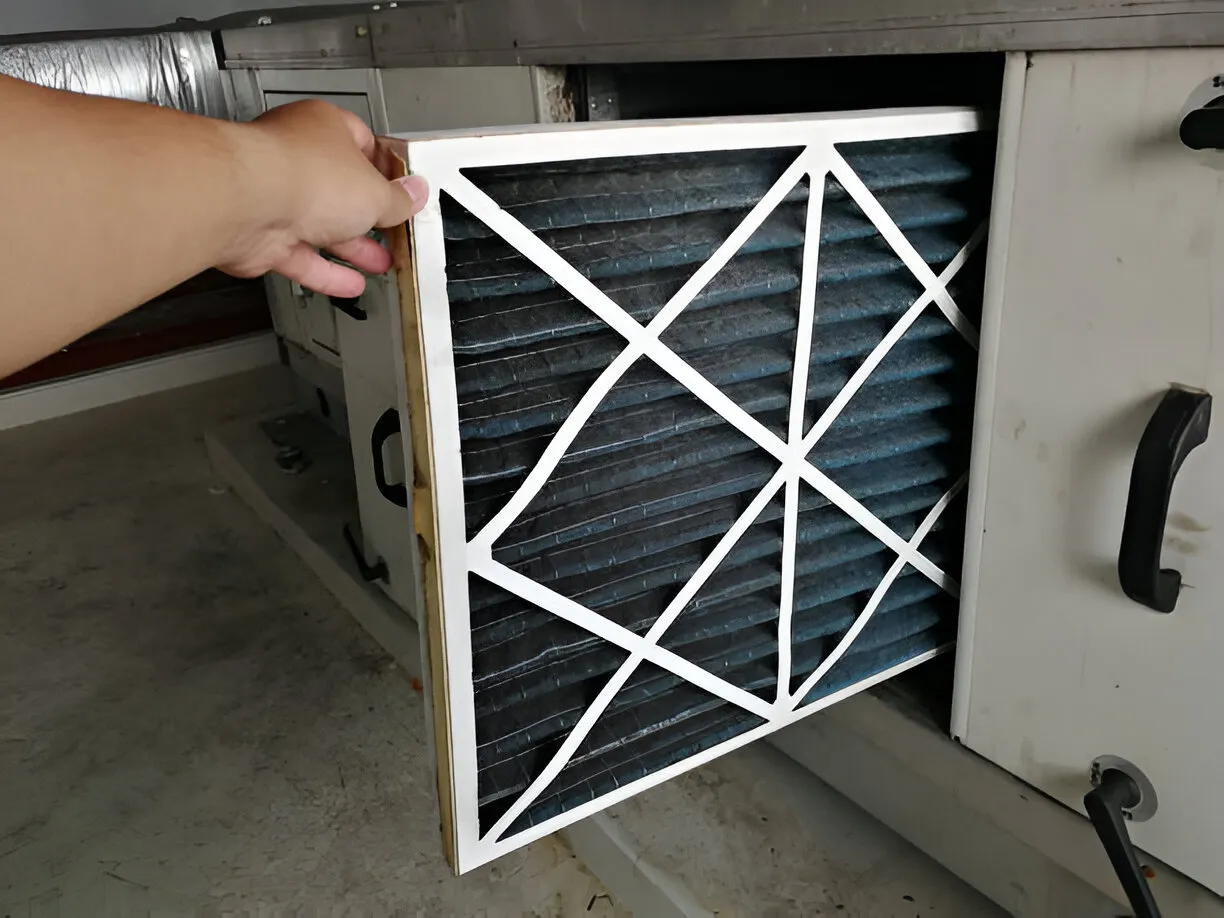
Common furnace maintenance issues in Reynoldsburg
Reynoldsburg homes experience temperature swings and extended heating runs that reveal several recurring furnace problems. Knowing these helps you understand why a comprehensive maintenance visit matters.
- Dirty or clogged filters — Reduces airflow, causes uneven heating, and forces the blower to work harder.
- Restricted vents and registers — Furniture or debris blocking supply and return vents reduces system efficiency.
- Ignition or pilot problems — Worn igniters and dirty burners can produce delayed or failed ignition.
- Faulty thermostat or control issues — Incorrect settings or failing controls lead to short cycling or no heat.
- Dirty burners and flame sensor build-up — Causes weak or inconsistent flames and frequent shutdowns.
- Drafts or venting problems — Improper or blocked flue venting creates safety risks and reduces combustion efficiency.
- Worn blower motors and belts — Leads to noisy operation, reduced airflow, and higher electric use.
What a professional furnace maintenance visit includes
A professional furnace inspection and tune-up is more than a quick visual check. Typical tasks completed during an annual service include:
- Visual safety inspection of the furnace cabinet, venting, and combustion area.
- Cleaning burners and combustion components to ensure consistent flame and fuel use.
- Inspecting and testing the ignition system or pilot assembly.
- Replacing or advising on the correct filter type and size, and demonstrating proper installation.
- Checking and cleaning the flame sensor, and adjusting burner alignment if required.
- Lubricating motors and bearings where applicable.
- Testing the blower motor, belts, and fan operation to confirm proper airflow.
- Measuring temperature rise and airflow to verify proper performance.
- Inspecting electrical connections, controls, and safety switches for wear and correct operation.
- Performing a carbon monoxide and combustion-CO check to ensure safe venting.
- Calibrating the thermostat and confirming system cycling behavior.
- Providing a clear service report and recommended next steps for repairs or upgrades.
Diagnostic process: how technicians identify hidden problems
Technicians use a methodical approach to find issues that are not obvious to homeowners. That typically includes:
- System history and homeowner interview — Understanding recent symptoms, noises, and performance complaints.
- Visual inspection — Looking for rust, corrosion, soot, or loose components.
- Instrument testing — Measuring voltage, amperage, gas pressure (if applicable), temperature rise, and flue gases when necessary.
- Airflow checks — Verifying return and supply airflow and checking duct leakage or blockages.
- Safety system verification — Confirming that limit switches, pressure switches, and rollout sensors operate as designed.
This thorough diagnostic approach reduces guesswork and targets repairs that restore safe, efficient operation.
Repairs and solution options explained
When maintenance reveals problems, common solutions are straightforward and focused on restoring reliability and efficiency:
- Filter replacement — Installing the correct filter rating and changing it on a regular schedule to improve airflow.
- Burner and flame sensor cleaning — Removes deposits that cause ignition issues and false shutdowns.
- Igniter or pilot assembly replacement — Restores consistent starting performance.
- Blower motor service or replacement — Improves airflow and reduces electrical draw.
- Sealing or repairing ducts and registers — Fixes heat loss and improves distribution through the home.
- Thermostat repair or upgrade — Improves control and can add programmable schedules to reduce run time.
- Venting correction — Ensures proper draft and removes combustion byproducts safely.
Technicians prioritize repairs that address safety issues (for example, venting or CO risk) before comfort or efficiency upgrades.
How maintenance plans help Reynoldsburg homeowners
Routine maintenance plans offer more than a single tune-up. For homeowners in Reynoldsburg, plan benefits include:
- Regular, scheduled inspections timed before the heating season so systems are ready for winter.
- Documented service history that helps with warranty compliance and increases resale value.
- Reduced risk of emergency breakdowns during the coldest days.
- Ongoing performance tuning that lowers utility bills across the heating season.
- Priority scheduling and potential service discounts that reduce downtime when problems arise.
Because central Ohio winters often demand long heating cycles, a maintenance plan helps prevent the accelerated wear that comes from extended seasonal use.
Why timely maintenance lowers bills and extends furnace life
Regular maintenance keeps components clean and properly adjusted so the furnace uses less fuel to produce the same heat. Improved combustion efficiency, correct airflow, and tight ductwork prevent wasted energy. Preventing small failures also avoids the expensive downstream consequences of a broken blower motor or heat exchanger replacement. In short, tune-ups deliver three key benefits: improved comfort, lower monthly energy bills, and longer equipment life.
Seasonal timing and homeowner maintenance tips
Best timing for an inspection is early fall, before peak heating demand. Busy HVAC seasons can delay service, so planning ahead avoids last-minute repairs.
Simple homeowner tasks between professional visits:
- Replace disposable filters every 1–3 months depending on filter type and household factors.
- Keep returns and supply registers free from furniture and dust buildup.
- Maintain clear space around the furnace for airflow and safe access.
- Test carbon monoxide detectors monthly and replace batteries as needed.
- Note unusual noises, odors, or changes in heat delivery and record when they occur to help diagnostics.
Choose filter ratings that balance airflow and filtration. High-MERV filters capture more particles but can reduce airflow if the system is not designed for them; consult your technician before upgrading.
Final considerations for Reynoldsburg homes
Furnace maintenance in Reynoldsburg, OH, is a practical necessity given the region’s cold winters and variable weather. Regular, professional tune-ups reduce heating costs, improve safety, and increase the lifespan of your furnace—protecting comfort through the cold season and safeguarding your home. When maintenance is performed with a clear diagnostic process and attention to local operating conditions, homeowners gain predictable performance and fewer unexpected outages.
Hot Deals & Cool Savings

.webp)
New Service Agreement Membership
.webp)
Any New Client Service
Next Service for Referring a New Client
New Service Agreement Membership
Any New Client Service
Next Service for Referring a New Client
.webp)
.webp)

Service Areas
