
Mini Split Installation in Reynoldsburg, OH
Reliable mini split installation in Reynoldsburg, OH. Learn about evaluation, permits, and maintenance; schedule today for comfort.

Mini Split Installation in Reynoldsburg, OH
Choosing a ductless mini-split for your Reynoldsburg, OH home is a practical decision when you need targeted comfort, improved efficiency, or a solution where ductwork is impractical. Mini-splits deliver year-round heating and cooling, make sense for older homes and additions common in Reynoldsburg neighborhoods, and handle our humid Ohio summers and cold winters more efficiently than many window units or space heaters.
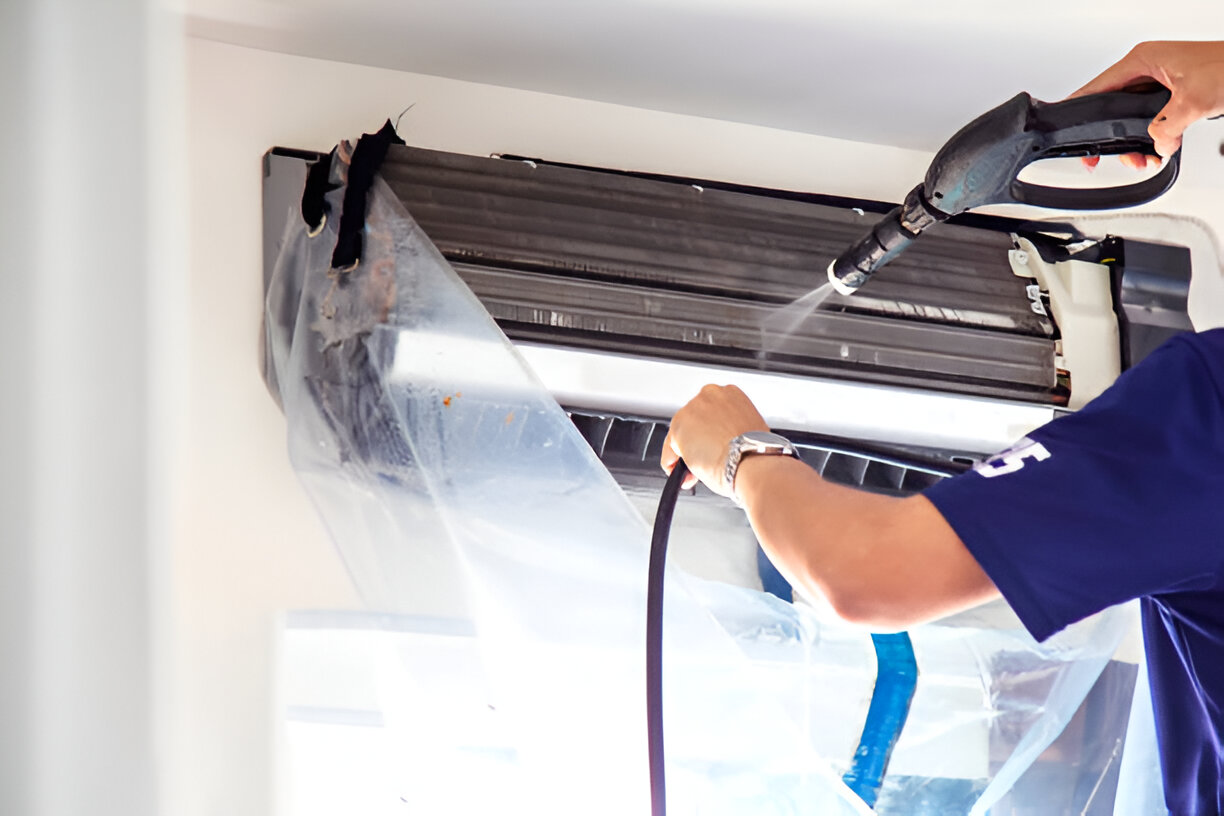
Why Reynoldsburg homes benefit from mini-split installation
- Ohio summers bring warm, humid conditions that require reliable cooling and dehumidification; mini-splits provide precise temperature and humidity control for individual rooms.
- Many homes in Reynoldsburg are older or have retrofit spaces (finished basements, sunrooms, additions) where adding ducts is costly. Ductless systems avoid invasive construction.
- Cold winters make a heat-pump mini-split an attractive secondary or primary heating option, especially high-efficiency cold-climate models designed to maintain output at lower temperatures.
Common mini-split types and typical project scopes
- Single-zone wall-mounted units for one room or a home office.
- Multi-zone systems with one outdoor compressor serving multiple indoor heads for whole-house or multi-room comfort.
- Ceiling cassettes or floor consoles where wall space is limited or for aesthetic reasons.
- Hybrid installations combining a mini-split heat pump with existing forced-air systems for supplemental heating/cooling.
Site evaluation and load calculations
A professional installation begins with a detailed site evaluation in your Reynoldsburg home. Key steps include:
- Measuring room dimensions, window locations, insulation levels, and solar gain to determine sensible and latent loads.
- Reviewing existing electrical service capacity and breaker locations to plan for the outdoor unit’s power requirements.
- Assessing mounting options, refrigerant line routing, and outdoor compressor placement for noise, airflow, and local setback requirements.
Accurate Manual J load calculations are essential to size indoor and outdoor units correctly. Oversizing or undersizing can cause inefficient operation, short cycling, and poor humidity control — problems homeowners often notice first.
Indoor and outdoor unit placement options
Proper placement impacts comfort, efficiency, and longevity:
- Indoor units: Wall-mounted units are most common and work well above doorways or on unobstructed walls. Ceiling cassettes distribute air evenly in larger living areas. For basements or rooms with low walls, floor consoles are an option. Plan locations to avoid blowing directly on seating/bed areas and to ensure unobstructed airflow.
- Outdoor compressors: Locate on a level pad or brackets clear of heavy landscaping, snow accumulation, and debris. In Reynoldsburg’s freeze-thaw cycles, elevate the unit above typical snowfall and maintain clearances for service access and airflow. Consider noise and neighbor sight lines when positioning the condenser.
Professional mounting and refrigerant line installation
A professional installation includes structural mounting, precise line work, and careful sealing:
- Mount indoor units securely to studs or manufacturer-recommended supports. Conceal line sets where possible with minimal wall penetrations and proper flashing to prevent moisture intrusion.
- Refrigerant line sets, electrical wiring, and drain lines must be routed with proper insulation and slope for condensate drainage. Line lengths and elevation differences affect required refrigerant charge and performance; installers adjust for this during commissioning.
- Proper evacuation and charging are critical. Technicians perform a deep vacuum to remove moisture and non-condensables before charging to the manufacturer-specified refrigerant level. This step prevents compressor damage and performance loss.
Code, permits, and electrical requirements in Reynoldsburg
Mini-split installations must comply with local codes:
- Permits are commonly required by the City of Reynoldsburg for HVAC work and electrical changes. A professional installer will pull the necessary permits and schedule inspections as required.
- Electrical work often requires a dedicated circuit and disconnect at the outdoor unit, and wiring must meet NEC standards and local amendments. Proper grounding and surge protection recommendations help protect sensitive inverter electronics.
- Outdoor unit placement must respect setbacks, property lines, and noise ordinances. Confirm local requirements before final placement.
Post-install testing and commissioning
Commissioning ensures the system operates as intended:
- Pressure tests and leak checks confirm refrigerant integrity. Vacuum hold tests ensure the system is moisture-free.
- Technicians verify correct refrigerant charge based on line length and manufacturer specifications, set airflow and fan speeds, and balance zones in multi-head systems.
- Performance testing includes verifying heat and cooling capacities, measuring supply and return temperatures, and ensuring condensate drains properly. Installers will also program controls, demonstrate operating modes (cool, heat, dry, auto), and explain basic troubleshooting for homeowners.
Common mini-split issues in Reynoldsburg and quick resolutions
- Insufficient cooling or heating: Often due to improper sizing or low refrigerant. A professional load check and refrigerant inspection are required.
- Short cycling: Can indicate oversizing, electrical issues, or control misconfiguration. Adjustments to thermostat settings or system settings usually fix this.
- Noise or vibration: Check for poor mounting, unlevel outdoor pads, or obstructions near the condenser.
- Frozen indoor coils: Caused by restricted airflow, dirty filters, or low refrigerant; cleaning and diagnostic checks resolve most cases.
Maintenance plans and financing
Regular maintenance preserves efficiency and reduces emergency repairs:
- Recommended service includes filter checks and cleaning, indoor coil and drain inspections, outdoor unit clearance and coil cleaning, and a system performance check at least once a year — twice a year is better in Ohio’s climate to prep for summer cooling and winter heating.
- Maintenance plans often include priority scheduling, discounted service calls, and comprehensive seasonal tune-ups that extend equipment life and maintain manufacturer warranty compliance.
- Financing options are commonly available to spread installation costs over time. Many homeowners find financing helpful for higher-efficiency systems that offer lower operating costs over the long term. Additionally, mini-splits may qualify for local or federal incentives depending on model and efficiency level.
Long-term benefits and final considerations
A correctly designed and professionally installed mini-split provides precise comfort, lower energy use for targeted conditioning, and flexibility for additions and retrofits common in Reynoldsburg homes. Prioritize accurate load calculations, permit adherence, and professional commissioning to avoid common pitfalls. With regular maintenance and correct setup, a ductless mini-split can be a durable, efficient solution for year-round comfort in central Ohio’s variable climate.
Hot Deals & Cool Savings

.webp)
New Service Agreement Membership
.webp)
Any New Client Service
Next Service for Referring a New Client
New Service Agreement Membership
Any New Client Service
Next Service for Referring a New Client
.webp)
.webp)

Service Areas
