
Furnace Installation in Reynoldsburg, OH
Furnace Installation Reynoldsburg, OH: Expert sizing, code-compliant installation, improved safety, and energy-efficient warmth. Schedule a professional installation today.

Furnace Installation in Reynoldsburg, OH
Replacing or installing a furnace is one of the most important home comfort decisions you’ll make in Reynoldsburg, OH. Cold central Ohio winters and temperature swings in shoulder seasons mean your heating system must deliver reliable warmth, efficient operation, and safe performance.
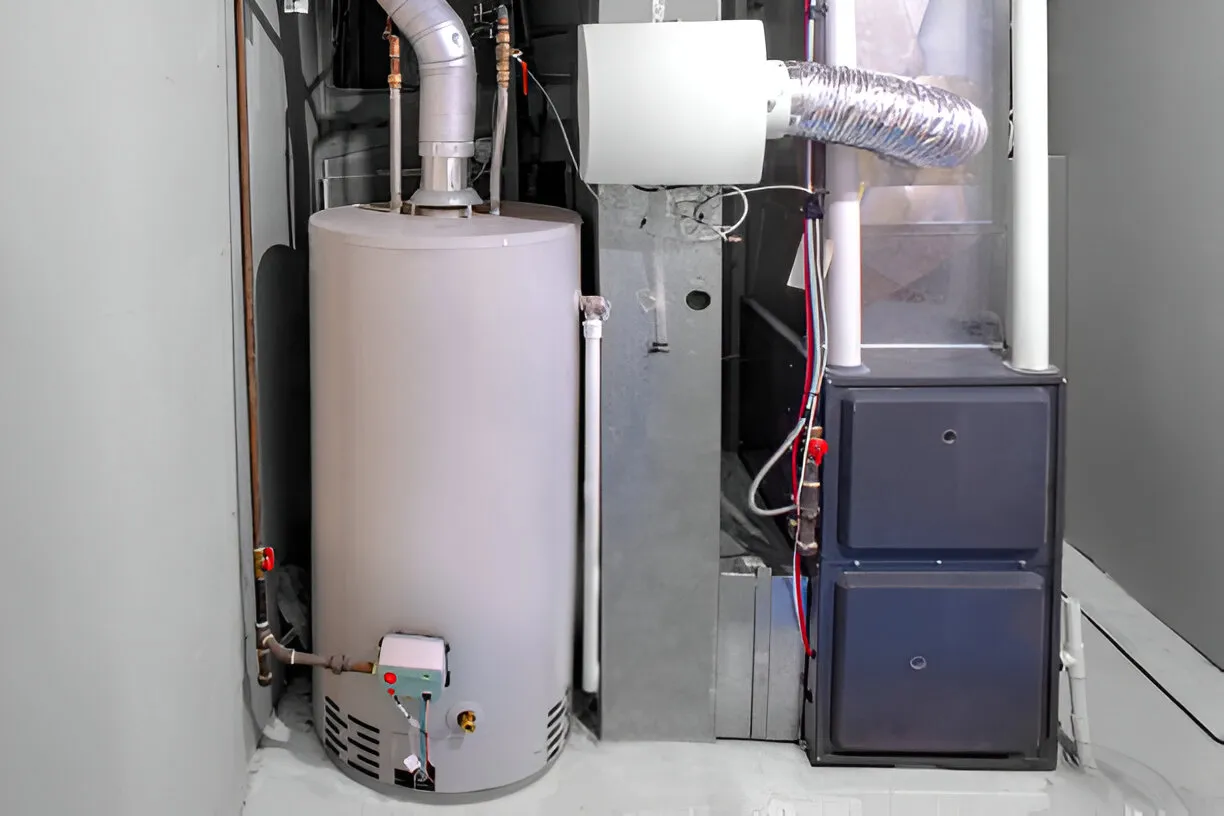
Why timely furnace installation matters in Reynoldsburg
- Winters frequently drop into the 20s and lower, which places heavy demand on aging systems. A failing furnace can mean higher utility bills, inconsistent heating, and increased risk of component failure when you need heat most.
- Many Reynoldsburg houses use natural gas furnaces. Proper installation reduces safety risks like carbon monoxide exposure, improves combustion efficiency, and ensures reliable operation during prolonged cold spells.
- Newer high-efficiency furnaces with higher AFUE ratings and variable-speed blowers can cut energy costs and improve comfort — valuable in a climate with long heating seasons.
Common furnace types and common issues in Reynoldsburg homes
- Gas furnace (single-stage, two-stage, modulating): Most common for single-family homes; efficiency and performance vary widely.
- Electric furnace: Less common but used in some homes or additions.
- Packaged systems or heat pumps with backup heat: Found in newer or retrofit installations.Common local issues:
- Short-cycling and uneven heating due to incorrect sizing or duct leaky.
- Pilot/ignition failures on older gas units.
- Rising heating bills from low AFUE and failing components.
- Poor indoor air quality from dirty filters and unsealed ductwork.
- Older homes with undersized or poorly routed ductwork needing adjustments.
Pre-install assessment: what professionals evaluate
A professional pre-install assessment ensures the new furnace matches your home’s needs:
- Home load calculation (Manual J): Evaluates insulation, windows, orientation, and local climate to determine heating load.
- Duct inspection (Manual D): Checks duct size, layout, leakage, and airflow capacity to see if adjustments are needed.
- Fuel source verification: Confirms natural gas capacity or electrical supply for high-efficiency equipment.
- Venting and combustion air review: Ensures safe flue routing and adequate combustion air per Ohio codes.
- Existing system age and condition: Helps decide whether simple replacement or whole-system upgrades (ducts, controls) are needed.
- Installer will identify access constraints, cabinet sizes, and clearance requirements typical in Reynoldsburg basements, attics, or closets.
Equipment selection and correct sizing
- Right-sizing is critical. An oversized furnace short-cycles and reduces comfort; an undersized unit won’t keep up on the coldest days. Reynoldsburg installers use Manual J calculations to match furnace capacity to your home’s specific load.
- Efficiency: Look at AFUE (Annual Fuel Utilization Efficiency). Ohio winters mean investing in a higher AFUE unit often pays off over time in lower fuel costs.
- Staging and airflow: Two-stage or modulating burners and variable-speed blowers provide steadier temperatures and better humidity control during milder days common in fall and spring.
- Compatibility with thermostats and zoning: Modern systems perform best with smart thermostats and zoning when homes have multiple levels or inconsistent sun exposure.
Typical installation steps and code compliance
- Site preparation: Protect floors and belongings; ensure clear access to work area.
- Removal and disposal: Safe removal of existing furnace and any hazardous materials following local regulations.
- Rough-in: Modify or install gas lines, electrical connections, venting, and combustion air as required by the Ohio Mechanical Code and local Reynoldsburg building requirements.
- Unit placement and secure mounting: Ensure correct clearances, proper condensate drainage for high-efficiency units, and adequate service access.
- Duct connections and transitions: Properly connect supply and return ducts with attention to sealing and insulation.
- Controls and safety devices: Install pressure switches, flame sensors, limit controls, and compatible thermostats.
- Code compliance and permits: Most furnace installations in Reynoldsburg require permits and inspections. A licensed installer will pull permits, follow the Ohio Mechanical Code and local Reynoldsburg building rules, and coordinate inspections.
Ductwork adjustments and airflow optimization
- Duct leakage and poor layout are frequent causes of underperformance. Common fixes include sealing with mastic or UL-rated tape, insulating exposed ducts, and resizing or adding returns.
- Balancing dampers and variable-speed blowers help correct airflow imbalances between floors.
- In older Reynoldsburg homes, you may need to add transfer grilles, improve attic insulation, or rework runs to improve long-term system performance.
Commissioning and performance testing
A professional installation concludes with a commissioning process to verify safe, efficient operation:
- Combustion analysis and CO testing for gas furnaces.
- Static pressure, airflow measurements, and temperature rise testing across the heat exchanger.
- System calibration: Thermostat setup, blower speeds, and staging controls tuned to calculated load.
- Final inspection and documentation: Provide performance readings, filter recommendations, and operational guidance.
Warranty, documentation, and financing options
- Manufacturer warranty: Furnaces come with varying parts and limited-time warranties; some components like heat exchangers may have extended coverage. Keep installation documentation and proof of professional installation, which many manufacturers require to honor warranties.
- Labor warranty: Ask about the installer’s labor warranties on workmanship and parts integration.
- Financing: Many homeowners in Reynoldsburg prefer financing options to spread the cost of high-efficiency systems. Typical plans include zero-down or low-interest terms through third-party lenders. Review terms, length, and total cost when considering financing.
- Maintenance plan: Annual preventive maintenance preserves efficiency, extends equipment life, and is often required to maintain warranty coverage.
Long-term benefits and maintenance advice
- Energy savings: Upgrading from an older furnace to a modern high-AFUE model commonly reduces annual heating bills.
- Improved comfort and indoor air quality: Better airflow, humidity control, and filtration reduce temperature swings and airborne particulates.
- Safety and reliability: New installations reduce the risk of carbon monoxide leaks and unexpected failures during cold snaps.Maintenance tips:
- Replace filters regularly and schedule annual tune-ups before heating season.
- Keep vents and returns clear and have ducts inspected every few years.
- Watch for signs of trouble: strange noises, rising bills, uneven heating, or frequent cycling.
A well-executed furnace installation in Reynoldsburg, OH aligns the right equipment, accurate sizing, proper ductwork, and code-compliant installation to deliver dependable warmth, energy savings, and safe operation throughout Ohio winters.
Hot Deals & Cool Savings

.webp)
New Service Agreement Membership
.webp)
Any New Client Service
Next Service for Referring a New Client
New Service Agreement Membership
Any New Client Service
Next Service for Referring a New Client
.webp)
.webp)

Service Areas
