
Mini Split Replacement in Reynoldsburg, OH
Mini split replacement in Reynoldsburg, OH: upgrade to high-efficiency comfort with expert sizing, quiet operation, and energy savings. Contact us for a quote.

Mini Split Replacement in Reynoldsburg, OH
A mini-split replacement is the right step when a ductless system no longer meets your comfort, efficiency, or reliability needs. In Reynoldsburg, OH, where hot, humid summers and cold winters place year-round demand on heating and cooling, replacing an aging or undersized mini-split can reduce energy bills, improve humidity control, and deliver quieter, more consistent comfort to the rooms that matter most. Below you will find a clear guide to when replacement is recommended, how a professional assessment is performed, what to look for in new equipment, and what to expect during removal and installation.
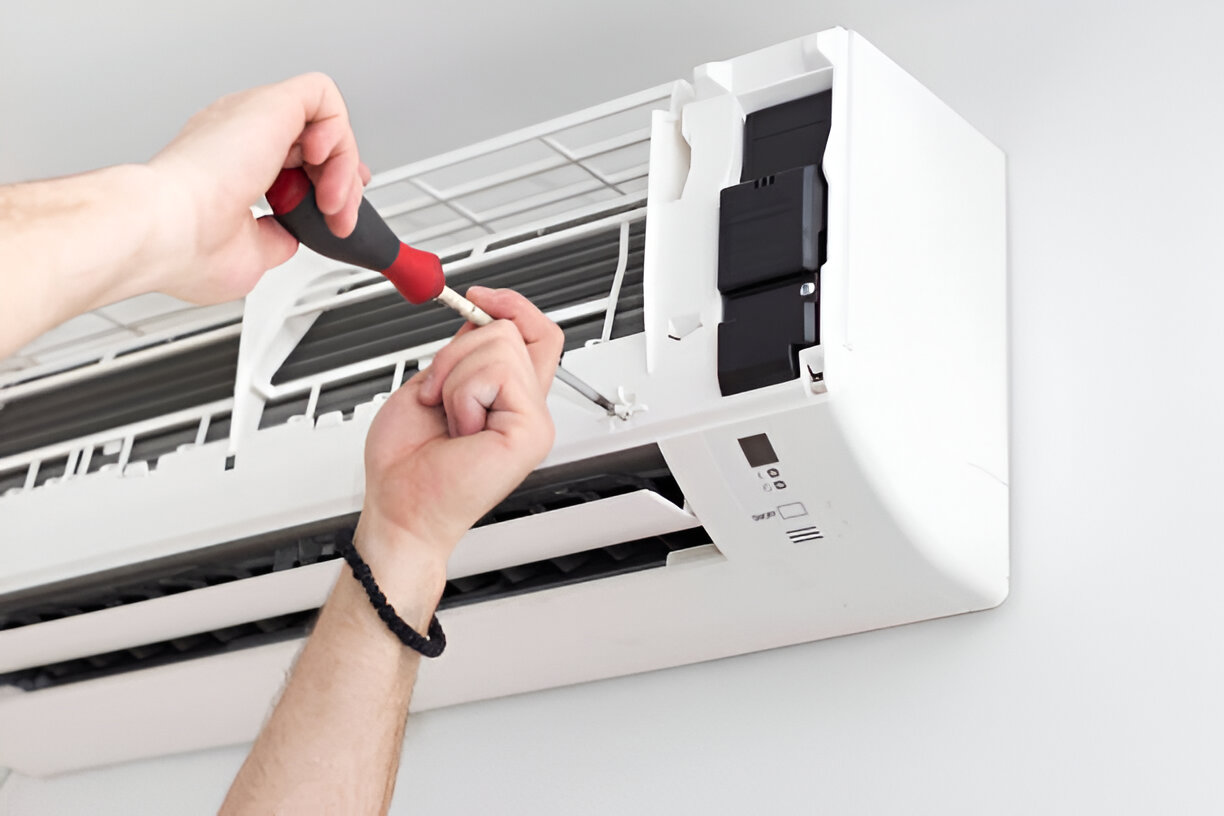
When replacement is recommended
Consider replacing a mini-split when you notice one or more of the following:
- System is older than 10 to 12 years and showing frequent breakdowns
- Repair costs approach or exceed the value of a new system
- Significantly higher energy bills with no change in usage patterns
- Poor heating performance in winter or inadequate dehumidification in summer
- Refrigerant leaks, compressor failure, or parts that are obsolete or unavailable
- Desire to add capacity or coverage (adding zones or upgrading to multi-zone)
Replacing earlier rather than waiting for a catastrophic failure avoids mid-season discomfort and can capture efficiency rebates available for newer high-efficiency equipment.
Common mini-split problems seen in Reynoldsburg homes
- Undersized unit for a remodeled or newly finished room
- Loss of heating capacity during subfreezing nights
- Excessive cycling or noise from failing compressors or motors
- Refrigerant leaks and reduced cooling output
- Electronic control failures and communication errors between indoor and outdoor units
Addressing these problems through replacement often yields better long-term reliability and improved comfort than repeated repairs.
Assessment process: what professionals check
A thorough replacement evaluation includes:
- Load calculation (Manual J) to size capacity for each zone, not just rule-of-thumb sizing
- Inspection of existing indoor heads, line sets, and outdoor condensing unit for damage or code issues
- Electrical service check to ensure capacity and appropriate disconnects are available
- Review of insulation, window orientation, and room use to specify control and dehumidification needs
- Examination of refrigerant type and serviceability; confirmation of EPA-compliant refrigerant recovery if removal is required
This assessment ensures the new equipment matches real-world needs and performs efficiently in Reynoldsburg’s climate.
Equipment selection: efficiency, sizing, and brand options
- Efficiency ratings: Look for high SEER (cooling) and HSPF (heating) values for mini-splits; inverter-driven compressors with variable speed deliver the best seasonal performance and humidity control. ENERGY STAR qualified units will save more energy over time.
- Capacity sizing: Mini-split capacity is measured in BTU/h per indoor head. Proper sizing via Manual J prevents short-cycling and cold drafts in winter. Many Reynoldsburg homes benefit from slightly larger heating capacity due to colder nights, but oversizing for cooling should be avoided.
- Single-zone vs multi-zone: Single-zone units serve one space; multi-zone systems use one outdoor unit to support multiple indoor heads. Multi-zone is ideal for whole-house conversions or multiple rooms without ductwork.
- Brand options: Reputable manufacturers include Mitsubishi Electric, Fujitsu, Daikin, LG, Panasonic, and select offerings from major HVAC brands. Consider manufacturer service networks, part availability, and product warranties when choosing a brand.
- Features to consider: Enhanced dehumidification modes, low-temperature operation, programmable thermostats/wireless controls, and advanced filtration for better indoor air quality.
Removal and disposal of old equipment
Removal of a mini-split involves:
- Recovering refrigerant with EPA-approved recovery equipment and licensed technicians
- Disconnecting electrical and refrigerant lines safely and capping or removing line sets as required by code
- Responsible disposal of the outdoor unit, indoor heads, and any insulation or mounting hardware
- Recycling refrigerant and metal components per environmental regulations
Proper disposal protects your property and ensures compliance with Ohio and federal environmental rules.
Typical installation timeline
- On-site assessment and final equipment selection: 1 visit (1 to 2 hours)
- Pre-install preparation (permits, material procurement): 1 to 7 days depending on permit timelines
- Installation of single-zone unit: usually completed in 4 to 8 hours
- Multi-zone or more complex installs: 1 to 3 days, depending on number of indoor heads and structural work
- Final checkout, system commissioning, and homeowner orientation: 1 to 2 hours after installation
Scheduling can vary with permit processing and weather; winter months in Reynoldsburg may require additional attention to protecting components during outdoor work.
Warranty, rebates, and financing information
- Warranty types: Manufacturer parts warranties commonly range from 5 to 12 years on compressors and parts; labor warranties vary by installer. Always register the product to activate full manufacturer coverage and keep documentation for warranty claims.
- Rebates and incentives: High-efficiency heat pumps and mini-splits may qualify for federal tax credits, state incentives, or local utility rebates. In central Ohio, check for current programs from state energy offices and local utilities that reward energy-efficient heat pumps and insulation upgrades.
- Financing: Many homeowners finance replacements through HVAC financing programs, home improvement loans, or energy efficiency loan products. Financing availability and terms vary widely, so compare options that preserve long-term savings gained from reduced energy costs.
Expected energy and comfort benefits
- Lower energy bills: Modern inverter-driven mini-splits can reduce seasonal energy use compared to older units and inefficient electric resistance heating.
- Improved temperature control: Zoned control provides precise comfort in living rooms, bedrooms, or additions without cooling or heating unused spaces.
- Better humidity management: Advanced models manage summer humidity more effectively, improving perceived comfort in Reynoldsburg’s humid summers.
- Quiet operation and improved indoor air quality: Newer units run quieter and often include upgraded filtration options for allergens and particulates.
Post-installation maintenance and longevity tips
- Schedule annual HVAC tune-ups to maintain efficiency and avoid premature failures
- Keep outdoor units clear of debris, snow, and vegetation, especially through Reynoldsburg’s winter and spring seasons
- Replace or clean indoor filters according to manufacturer recommendations to sustain airflow and indoor air quality
- Monitor for error codes and address small issues before they escalate into compressor or refrigerant problems
Replacing a mini-split is a practical investment for Reynoldsburg homeowners who value efficiency, reliable year-round comfort, and zoned climate control. A careful assessment, correct sizing, and selection of modern, high-efficiency equipment will deliver measurable energy savings and improved comfort tailored to local climate demands.
Hot Deals & Cool Savings

.webp)
New Service Agreement Membership
.webp)
Any New Client Service
Next Service for Referring a New Client
New Service Agreement Membership
Any New Client Service
Next Service for Referring a New Client
.webp)
.webp)

Service Areas
