
Whole House Air Filtration in Reynoldsburg, OH
Whole-house filtration in Reynoldsburg, OH improves indoor air quality. Learn about options, installation timing, and long-term health and comfort benefits for your home.

Whole House Air Filtration in Reynoldsburg, OH
Good indoor air quality starts at the ductwork. Whole house air filtration in Reynoldsburg, OH protects your family, reduces allergen loads, and helps HVAC systems run more efficiently. With seasonal pollen from nearby green spaces, humid summers that promote mold growth, and tightly sealed homes in winter that trap indoor pollutants, Reynoldsburg households often face a mix of outdoor and indoor air quality challenges.
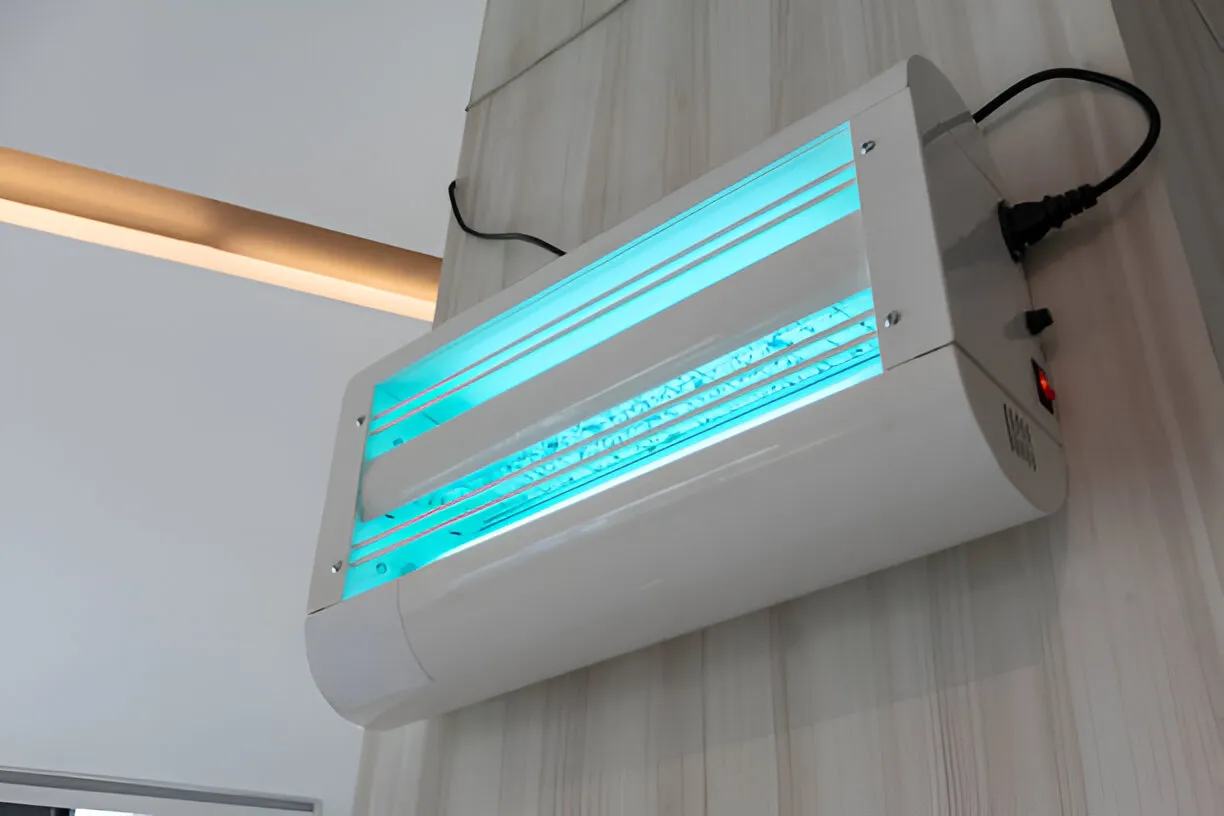
Why whole house air filtration matters in Reynoldsburg, OH
- Spring and early summer bring high tree and grass pollen that enters homes when windows are open or through HVAC intakes.
- Hot, humid summers increase the risk of mold and dust mite proliferation indoors.
- Winter heating cycles mean windows are kept closed, concentrating indoor pollutants such as VOCs, pet dander, and cooking particulates.
- A properly specified whole-house filter reduces particulate levels throughout the home, protects HVAC components from dust accumulation, and can improve overall system longevity and comfort.
Common whole house air filtration options
Below are the filter types most commonly installed as whole-house solutions, with notes on how each performs in Reynoldsburg homes.
- Media filters (pleated)
- Typical efficiency ranges from MERV 8 to MERV 13.
- Good balance of particle capture and airflow for most residential systems.
- Effective against pollen, dust, and pet dander.
- High-MERV filters (MERV 13+)
- Capture finer particles including smoke, some bacteria-sized aerosols, and smaller pollen fragments.
- Require confirmation that the HVAC blower can handle increased resistance; may need blower adjustments or higher-capacity motors to avoid reduced airflow.
- Electrostatic filters
- Use ionization and electrostatic attraction to trap particles.
- Reusable options exist but must be cleaned correctly to maintain performance.
- Lower pressure drop compared with some high-MERV media options, but variable efficiency depending on particle size.
- Combination systems and electronic air cleaners
- Pair media filtration with electronic or UV components to address both particulates and biological contaminants.
- Often used where homeowners want particulate removal plus reduction of airborne microbes or odors.
Understanding filter efficiency and HVAC impact
Filter efficiency ratings (MERV) indicate particle capture ability. Higher MERV ratings = finer particle capture, but also higher airflow resistance in many cases.
- Airflow and performance considerations:
- Increased filter resistance can reduce system airflow, causing uneven heating/cooling, higher energy use, and potential compressor stress.
- Modern high-efficiency systems or systems with variable-speed blowers handle high-MERV filters better.
- In older systems, upgrading to a high-MERV filter without addressing blower capacity or duct sizing can reduce comfort and may increase wear.
- What to evaluate before upgrading:
- Current HVAC blower type (single-speed vs variable-speed)
- Existing filter rack size and available space for thicker media filters
- Duct condition (leaks or restriction can worsen with higher resistance filters)
- Existing static pressure readings if available
Selection and retrofit considerations for Reynoldsburg homes
Choosing the right whole-house filtration requires balancing air quality goals with system limitations.
- Match filter efficiency to needs:
- Allergy sufferers: MERV 11-13 recommended for better pollen and dander control.
- Smoke sensitivity or fine particulates: consider MERV 13 or a combination system.
- General dust reduction: MERV 8-11 typical for many homes.
- Retrofit factors:
- Filter cabinet sizing: many homes can accept a deeper (4- to 6-inch) media cabinet to reduce pressure drop while increasing filtration area.
- Blower upgrade: installing a variable-speed blower or an ECM motor can maintain airflow with higher-efficiency filters.
- Duct cleaning and sealing: reduces baseline particulate load and improves overall effectiveness of the new filter.
- Space and accessibility:
- Ensure the chosen filter location allows safe, regular replacement and does not block access panels or condensate drains.
Typical installation and maintenance process
A consistent, professional approach ensures system performance and avoids unintended HVAC problems.
Site evaluation
- Inspect HVAC unit, blower, existing filter slot, static pressure (if available), and duct layout.
System selection
- Recommend filter type and size based on air quality goals and system capability.
Installation or retrofit
- Install media cabinet or upgraded filter rack; verify blower performance and airflow.
Commissioning
- Measure static pressure, temperature differential, and confirm even airflow across supply registers.
Maintenance schedule
- Determine filter replacement interval based on filter type and local conditions.
Replacement and cleaning guidelines:
- Standard pleated filters: typically every 3 months, sooner in high-pollen seasons.
- High-MERV and media filters: often every 6-12 months depending on thickness and load.
- Electrostatic/reusable filters: clean per manufacturer guidelines, more often during pollen season.
- Combination systems: follow component-specific schedules (e.g., electronic cells monthly cleaning, UV lamps annually).
Common issues and solutions
- Reduced airflow after upgrading to a higher-efficiency filter
- Solution: revert to a slightly lower MERV, install a deeper media cabinet, or upgrade blower motor.
- Short filter life during pollen season
- Solution: increase replacement frequency, or use a larger surface-area media filter to extend service life.
- Noise or vibration changes after retrofit
- Solution: verify installation, check duct connections, and balance airflow; ensure the cabinet is properly mounted.
- Persistent odors or VOC concerns
- Solution: add activated carbon stages or whole-house ventilator/exchanger to reduce indoor-sourced gases.
Health, comfort, and system longevity benefits
- Health: fewer airborne allergens and particulates help reduce symptoms for people with allergies, asthma, or respiratory sensitivities common in the region.
- Comfort: cleaner air reduces dust buildup on surfaces and improves perceived indoor air quality during high-pollen or smoky days.
- System longevity: trapping particulates before they reach coils and moving parts reduces maintenance needs and can help maintain efficiency over time.
- Energy: when filtration is matched correctly to the HVAC system, you can maintain efficient operation while achieving higher indoor air quality.
Simple maintenance tips for Reynoldsburg homeowners
- Monitor filter condition monthly during spring and summer pollen peaks.
- Keep return grilles and supply registers free of obstructions and dust.
- Schedule annual HVAC service in fall to check static pressure, replace core filters, and confirm blower performance before winter.
- Consider using whole-home ventilation paired with filtration to manage indoor humidity and VOCs during colder months when windows stay closed.
Whole house air filtration in Reynoldsburg, OH is a practical upgrade for comfort, health, and preserving HVAC equipment when chosen and installed to match your system and seasonal needs. Proper selection, professional evaluation, and an appropriate maintenance schedule will deliver measurable indoor air improvements across the year.
Hot Deals & Cool Savings

.webp)
New Service Agreement Membership
.webp)
Any New Client Service
Next Service for Referring a New Client
New Service Agreement Membership
Any New Client Service
Next Service for Referring a New Client
.webp)
.webp)

Service Areas
