
Heating Tune-Up in Powell, OH
Heating Tune-Up in Powell, OH: kick off the season with a comprehensive tune-up for safer, more efficient warmth. Schedule now.

Heating Tune Up in Powell, OH
A seasonal heating tune up is one of the most cost-effective steps Powell homeowners can take to avoid mid-winter breakdowns, reduce utility costs, and keep family living spaces safe and comfortable. With Central Ohio winters that swing from chilly damp days to extended below-freezing stretches and occasional heavy snow, a properly maintained furnace, boiler, or heat pump is essential. A tune up verifies safe combustion, restores efficient operation, and uncovers small problems before they become emergency repairs.
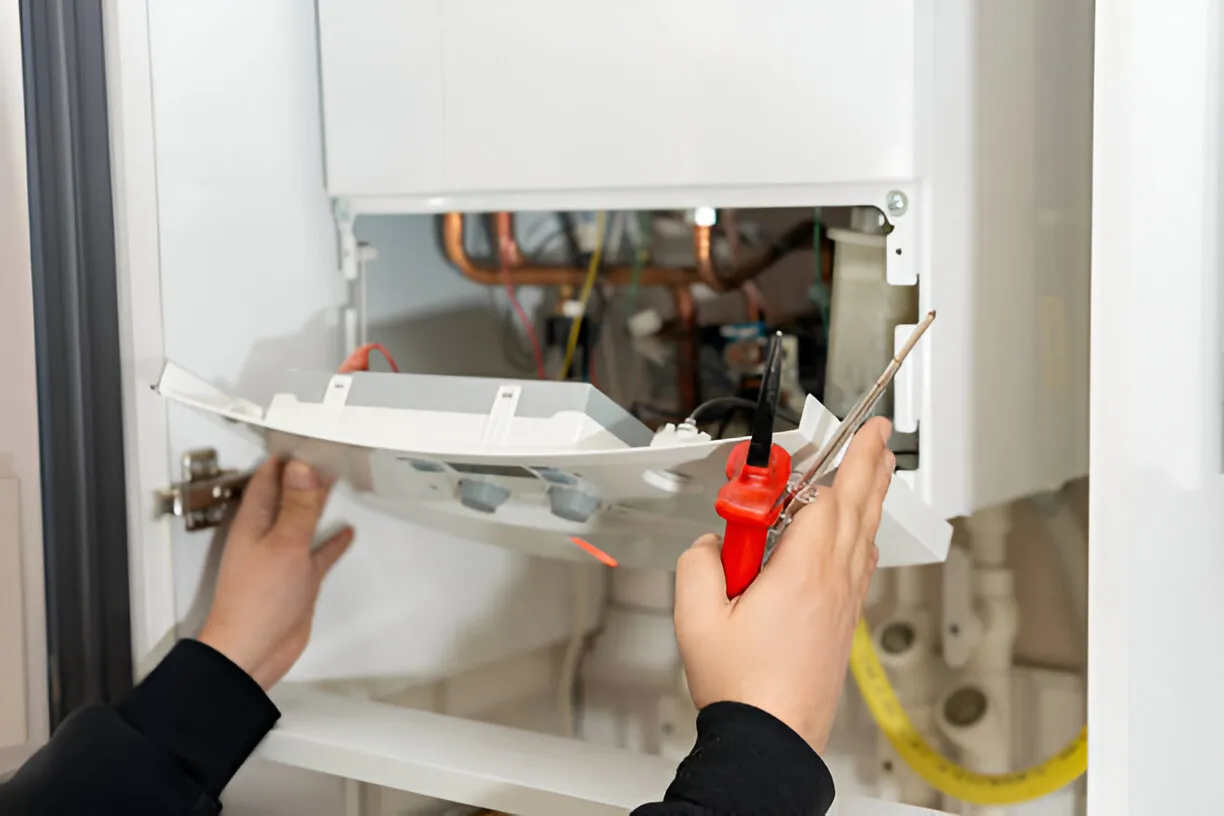
Common heating systems in Powell homes
- Gas forced-air furnaces (typical in newer and many suburban homes)
- Boilers (hot water or steam) in older or higher-end houses
- Heat pumps and ductless mini-splits (increasingly common for efficiency)
- Hybrid systems that combine heat pump and furnace operation
Knowing your system type helps tailor the tune up to the components that matter most for Powell’s weather and home styles.
Seasonal Heating Tune-Up Checklist
A comprehensive tune up should include all of the items below; each plays a direct role in safety, efficiency, and longevity.
- Filter inspection and replacement
- Replace or clean the air filter; inspect for dust, pet hair, or pollen buildup that restricts airflow.
- Burner and ignition system checks
- Clean burners, check ignition sequence, and ensure reliable startup; address delayed ignition or misfiring.
- Thermostat calibration and control checks
- Verify thermostat accuracy and settings; check wiring and program schedule for optimal efficiency and comfort.
- Safety inspections
- Inspect heat exchanger for cracks, check venting and flue for obstructions, and verify proper operation of safety controls.
- Airflow and duct inspection
- Measure airflow, inspect ducts for leaks or disconnections, clean return grilles and vents as needed to restore balance.
- Combustion testing and carbon monoxide check
- Perform combustion analysis on gas appliances to confirm proper fuel burn and test CO levels for occupant safety.
- Electrical connections and controls
- Tighten and inspect electrical terminals, relays, and control boards; measure amperage draw on motors.
- Blower and motor service
- Clean blower wheel, check belt condition (if applicable), and lubricate motor bearings where required.
- Condensate and drain inspection
- For condensing furnaces and boilers, clear condensate traps and drains to prevent backups and corrosion.
- Flue and venting inspection
- Verify vent caps, chimney integrity, and proper draft to avoid combustion byproduct buildup.
- System performance testing
- Run the system through a cycle, measure temperature rise (furnaces) or output temperature (boilers), and document pre- and post-service readings.
- Service report and recommendations
- Provide a written summary of findings, prioritized repairs, and recommended next steps for efficiency or safety upgrades.
What to expect during a tune-up
A qualified technician typically spends 45–90 minutes depending on system type and condition. The process begins with a visual inspection, then moves to component cleaning, adjustments, and diagnostic testing (combustion, airflow, electrical). The tech will demonstrate system operation and provide a clear service report listing urgency of any repairs and maintenance performed. After the tune up you should notice steadier heat, quieter operation, and improved responsiveness from the thermostat.
Frequency recommendations
- Gas furnaces and boilers: Annual tune up before the heating season (late summer to early fall) is standard. Combustion testing and heat exchanger inspection should be done yearly.
- Heat pumps and ductless systems: Twice yearly inspections are recommended — one in spring for cooling season and one in fall for heating season — because these systems operate year-round.
- High-use or older systems: If your equipment is older than 10–15 years, or you rely heavily on heating, consider mid-season checks or enrollment in a biannual maintenance plan.
- Filter replacement frequency: Replace basic filters every 1–3 months depending on pets, indoor air quality concerns, or higher pollen seasons. Higher-efficiency filters may need more frequent replacement due to faster loading.
How tune-ups extend equipment life and improve efficiency
Regular tune ups reduce stress on components, improve combustion efficiency, and prevent premature failures. Clean burners and properly calibrated controls reduce fuel waste; correct airflow prevents short cycling and overheating that wear out motors and heat exchangers. Typical benefits include:
- Lower energy consumption and steadier indoor temperatures
- Fewer emergency service calls and reduced risk of mid-winter failure
- Extended equipment life — routine maintenance often adds several years of reliable service
- Improved indoor air quality through cleaner filters and reduced dust circulation
- Verified combustion safety and lower carbon monoxide risk
While actual savings vary by system age and existing condition, many homeowners see measurable reductions in energy use and repair frequency after committing to seasonal tune ups.
Warning signs that you need an immediate tune-up
If you notice any of the following, schedule an inspection promptly to avoid a breakdown:
- Yellow or flickering pilot light on gas systems (should normally be blue)
- Unusual odors (burning, gas, or musty smells)
- Loud banging, rattling, or humming noises during operation
- Uneven heating between rooms or persistent cold spots
- Rapid cycling on and off (short cycling)
- Sudden spike in heating bills without a clear reason
- Carbon monoxide detector alerts or elevated CO readings
Maintenance planning for Powell homeowners
Powell’s climate — cold winters, occasional heavy snow, and spring pollen — affects heating systems in specific ways. Cold snaps increase run time and stress components; snow and ice can block vents and outdoor components on certain systems. Spring pollen and seasonal dust load filters quickly, so consider filter checks after high pollen days. Homes with older ductwork may see amplified efficiency losses; sealing ducts and addressing insulation gaps can compound the benefits of a tune up.
Plan to have your heating system inspected and tuned before the first sustained cold of the season. Annual documentation of service history helps technicians make smarter repair decisions and supports warranty requirements for many manufacturers.
Regular, professional heating tune ups are an investment in household safety, comfort, and long-term operating cost control for Powell homes. Properly scheduled maintenance reduces surprises during freezing weather, improves performance, and preserves the life of your heating equipment.
Hot Deals & Cool Savings

.webp)
New Service Agreement Membership
.webp)
Any New Client Service
Next Service for Referring a New Client
New Service Agreement Membership
Any New Client Service
Next Service for Referring a New Client
.webp)
.webp)

Service Areas
