
Heating Replacement in Powell, OH
Heating replacement Powell, OH: energy-efficient systems installed for comfort and savings, with sizing, installation, and financing options.

Heating Replacement in Powell, OH
Upgrading your home’s heating system is one of the most impactful improvements you can make for comfort, safety, and monthly energy costs — especially in Powell, OH where cold winters and older suburban homes increase heating demand.
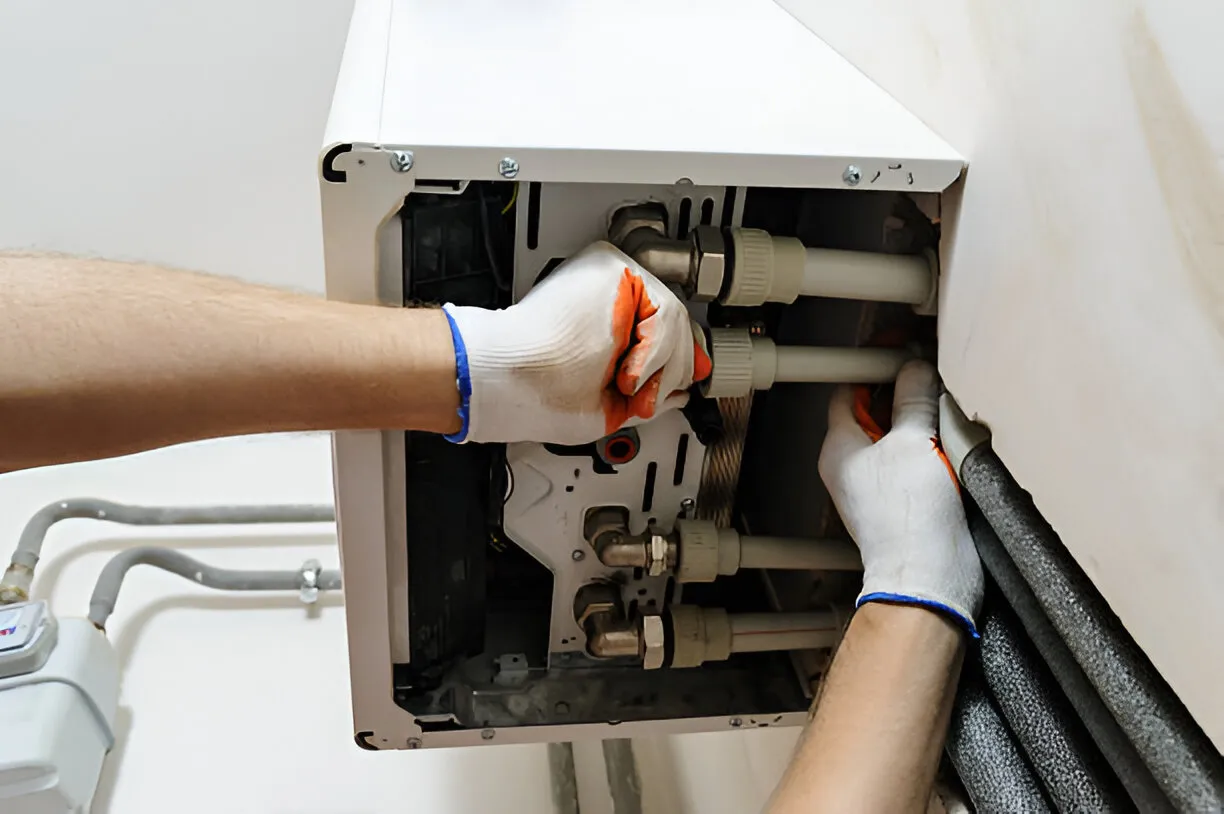
Signs your Powell home needs a heating replacement
If your furnace, boiler, or heat pump is showing these symptoms, replacement is often the most cost-effective long-term solution:
- Age: equipment older than 15–20 years (furnaces/boilers) or heat pumps beyond 10–12 years commonly warrant replacement. Efficiency and reliability drop with age.
- Frequent repairs: repeated service calls, rising repair bills, or parts that are no longer manufactured. Ongoing breakdowns increase lifetime cost.
- Rising energy bills: a steady increase in heating costs despite similar use patterns can mean declining efficiency.
- Inconsistent or insufficient heat: cold spots, rooms that never get warm, or short cycling (system turning on/off quickly) indicate mismatch or failing components.
- Poor indoor air quality or pilot/ignition problems: yellow pilot lights, rust, soot, or unexplained odors may signal unsafe operation.
- Excessive noise or vibration: rattling, banging, or loud fans that weren’t present previously.
- Safety concerns: cracked heat exchangers, frequent carbon monoxide detector triggers, or visible combustion issues require immediate attention and likely replacement.
Why upgrade to modern, energy-efficient heating equipment
Modern systems are designed to deliver better comfort, run more efficiently, and reduce operating costs over time:
- Higher efficiency ratings: new gas furnaces commonly offer AFUE ratings of 95–98%, replacing older 60–80% units. Cold-climate heat pumps now maintain efficiency in Ohio winters, delivering lower electric heating costs for many homes.
- Improved comfort control: modulating burners, variable-speed blowers, and multi-stage heat pumps provide steadier temperatures and fewer cold spots.
- Lower operating costs: improved efficiency and tighter controls typically lower monthly heating bills and reduce seasonal strain on the system.
- Better indoor air quality and humidity control: integrated filtration and humidification options improve health and comfort in the dry central Ohio winter.
- Increased reliability and safety: new equipment reduces the risk of failures and addresses known safety issues older systems may present.
Replacement planning: sizing, selection, and timeline
A professionally planned replacement ensures the new system matches your home’s needs and operates efficiently year-round.
- Load calculation (Manual J): Accurate sizing starts with a heat loss/heat gain calculation that accounts for local climate (Powell’s cold winters), insulation, window types, home orientation, and air infiltration. Oversizing leads to short cycling; undersizing leads to inadequate heat.
- Ductwork and airflow (Manual D): Inspecting and testing ducts ensures adequate airflow. Many older Powell homes need duct sealing, insulation, or modifications to optimize performance of high-efficiency equipment.
- Equipment selection (Manual S): Choose the right technology for your house — high-efficiency gas furnace, condensing boiler, or modern heat pump (including hybrid systems). Local factors like natural gas availability and electric rates influence the best solution.
- Timeline and steps:
- Onsite assessment and load study (1 appointment)
- Equipment selection and permit review (1–3 days)
- Installation day(s): most furnace or boiler replacements take 1–2 days; heat pump systems or jobs requiring ductwork or piping changes can take 2–4 days.
- Startup, testing, and homeowner orientation (final day) — includes thermostat programming and performance verification.
- Removal and disposal: Old equipment is safely decommissioned, refrigerant recovered per EPA rules (for heat pumps/AC), and materials disposed or recycled according to local regulations. Clean, safe removal minimizes disruption to your home.
Cost considerations and financing
Replacement cost varies with system type, home size, ductwork condition, and project complexity. Key factors to consider:
- System type: high-efficiency furnaces, condensing boilers, and cold-climate heat pumps differ in equipment and installation costs.
- Ductwork repairs or upgrades: sealing and insulating ducts add to upfront cost but increase long-term savings.
- Venting and gas line work: older homes sometimes require updated venting or gas piping.
- Permits and inspections: local building permits in Powell/Delaware County and final inspections are typically required.
- Long-term value: higher upfront cost for efficient equipment often pays back in lower energy bills and longer equipment life.
- Financing options: many homeowners use financing to spread costs. Installers and third-party lenders commonly offer terms and plans; review interest rates, loan length, and total cost of financing before committing.
Expected efficiency and comfort improvements
Realistic outcomes when replacing outdated equipment with modern systems:
- Energy savings: replacing a 70% AFUE furnace with a 95% AFUE model can reduce fuel use significantly, commonly resulting in 10–30% lower heating costs depending on home insulation and usage patterns. Switching to a cold-climate heat pump may yield larger electric bill reductions in some homes.
- Consistent temperatures: variable-speed blowers and multi-stage heating reduce temperature swings and improve comfort in upper and lower stories of Powell’s split-level and two-story homes.
- Quieter operation: modern systems run more quietly and produce smoother airflow.
- Faster recovery from cold snaps: advanced systems respond more efficiently during prolonged freezes common in central Ohio.
Rebates, incentives, and warranties available in Powell
Powell homeowners may qualify for incentives that lower net replacement cost:
- Utility and local rebates: Ohio utilities and regional programs sometimes offer rebates for high-efficiency furnaces, boilers, and heat pumps. Availability changes over time; efficiency certifications (ENERGY STAR, AHRI ratings) are commonly required for eligibility.
- Federal tax incentives: recent federal programs have offered tax credits for energy-efficient equipment and heat pumps. Eligibility and amounts vary; keep records of equipment specifications and invoices.
- Manufacturer warranties: new equipment typically includes a limited manufacturer warranty on major components (compressors, heat exchangers). Extended parts and labor warranties may be available from the installer for added protection.
- Documentation: save all receipts, model numbers, and compliance documentation to support rebate and tax credit claims.
Maintenance and long-term benefits
A new heating system delivers the best value when paired with routine maintenance:
- Annual tune-ups: yearly inspection and cleaning keeps efficiency high, extends equipment life, and preserves warranty coverage.
- Filters and airflow: regular filter replacement and periodic duct cleaning preserve indoor air quality and performance.
- Monitoring and smart controls: programmable or smart thermostats optimize comfort and can reduce energy use.
Replacing your heating system in Powell, OH is both a practical safety decision and a strategic investment in comfort and energy savings. Proper sizing, professional installation, and consideration of available incentives and warranties ensure the new system performs reliably through central Ohio winters and provides measurable benefits for years to come.
Hot Deals & Cool Savings

.webp)
New Service Agreement Membership
.webp)
Any New Client Service
Next Service for Referring a New Client
New Service Agreement Membership
Any New Client Service
Next Service for Referring a New Client
.webp)
.webp)

Service Areas
