
Heating Repair in Powell, OH
Powell, OH Heating Repair experts diagnose and fix furnaces and heat pumps quickly. Schedule expert service today for reliable warmth and peace of mind.

Heating Repair in Powell, OH
When your heating system struggles in Powell’s cold winters, you need a clear, trustworthy explanation of the problem, the repair process, and realistic expectations for time and outcome. Heating Repair in Powell, OH focuses on diagnosing and restoring furnaces and heat pumps used in local homes—addressing common failure symptoms, on-site diagnostic steps, typical repair solutions, warranty considerations, and what to expect for urgent or scheduled service.
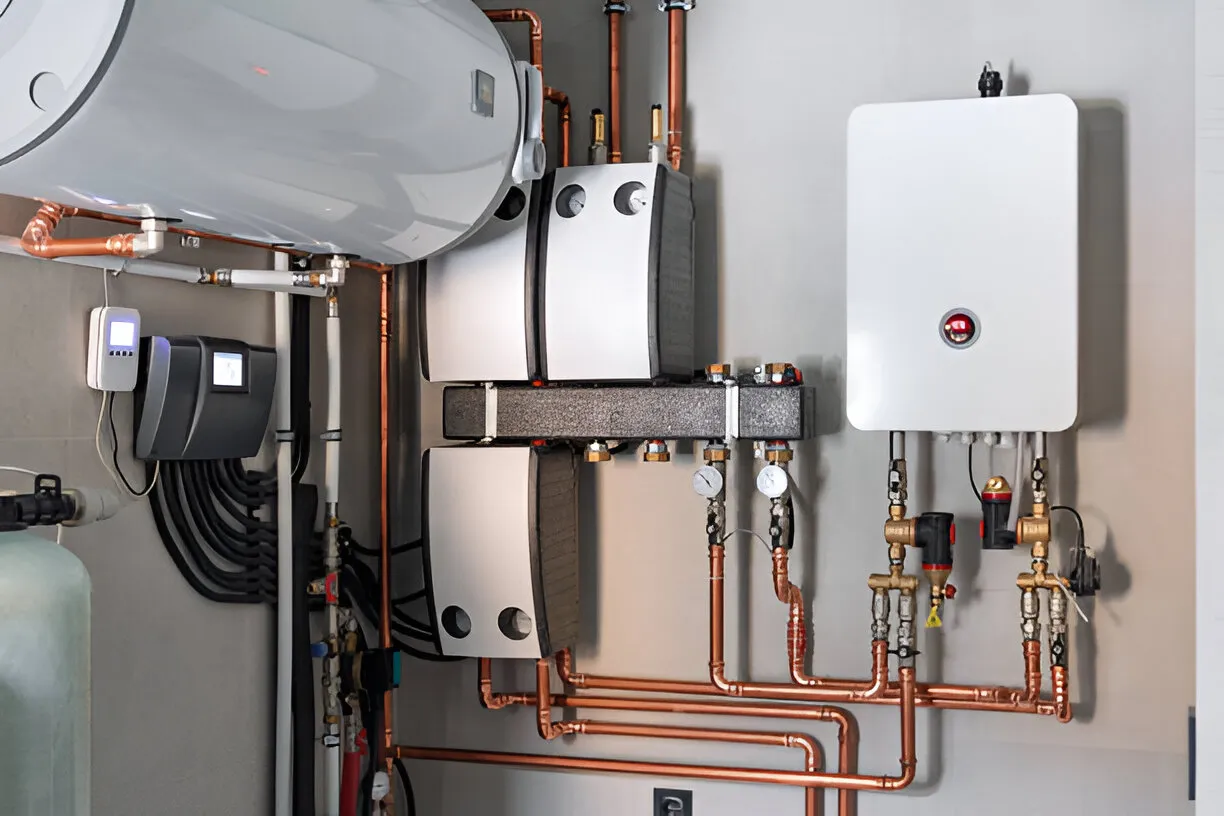
Why prompt heating repair matters in Powell
Powell experiences freezing winter temperatures, occasional snow and ice, and days with sustained low temperatures. A malfunctioning furnace or heat pump can quickly make a home uncomfortable and stress components (leading to bigger failures). Timely repair restores safety, reduces energy waste, and prevents secondary damage like frozen pipes or cracked heat exchangers.
Common heating problems in Powell homes
- No heat at all or intermittent heating
- Uneven temperatures room-to-room
- System short-cycling (turns on and off rapidly)
- Unusual noises (metallic knocking, grinding, or loud rattles)
- Persistent odors (burning or musty smells)
- Rising utility bills despite normal use
- Thermostat not responding or incorrect temperature readings
- Pilot light or ignition failures (for gas systems)
- Heat pump won’t switch between heat and defrost modes or shows low heat output on very cold days
- Frequent safety shutdowns (limit switches, pressure switches, or condensate switches)
Understanding the symptom helps pinpoint whether the issue is electrical, mechanical, airflow, combustion, or refrigerant-related.
On-site diagnostic procedures
A professional diagnosis follows a systematic approach to identify root causes quickly and safely:
- Initial interview and symptom verification: confirm what residents observed, recent changes, and system history.
- Visual and safety inspection: check for blocked vents, obvious leaks, soot, corrosion, or visible wiring issues.
- Thermostat and control checks: confirm correct wiring, batteries, setpoints, and response.
- Electrical testing: measure voltages, capacitors, fuses, relays, and control board diagnostics.
- Airflow assessment: inspect filters, blower operation, duct connections, and static pressure if needed.
- Combustion and venting (gas furnaces/boilers): inspect ignition, flame quality, draft, and vent integrity; perform basic combustion analysis when indicated.
- Refrigerant and heat-exchange checks (heat pumps): check refrigerant pressures, reversing valve operation, defrost cycle, and compressor performance.
- Safety device verification: test limit switches, rollout/safety sensors, condensate traps and float switches.
- Clear findings and options: technician explains root cause, repair options, timelines, and parts needed.
Diagnostics often reveal secondary issues (like dirty filters or blocked vents) that can be corrected on the spot to restore performance quickly.
Typical repair solutions — furnaces
- Ignitor or pilot assembly replacement: common failure in older or high-cycle systems.
- Flame sensor cleaning or replacement: resolves burners shutting off shortly after ignition.
- Control board or relay replacement: addresses intermittent operation or erratic behavior.
- Blower motor repair or replacement: fixes weak airflow or noisy operation.
- Capacitor and relay changes: restore reliable motor starts.
- Gas valve repair or replacement: required if gas flow is inconsistent.
- Heat exchanger repair/assessment: cracked heat exchangers are serious; replacement or system upgrade may be advised if compromised.
- Ductwork sealing and balancing: improves even heating and reduces strain.
Many furnace repairs are parts-and-labor fixes completed in a few hours when parts are available.
Typical repair solutions — heat pumps and ductless systems
- Refrigerant leak location and repair, then recharge to manufacturer specification
- Defrost control repair or reversing valve replacement to restore proper winter operation
- Compressor or contactor replacement when electrical components fail
- Fan motor and capacitor replacement to restore airflow
- Indoor unit evaporator coil cleaning and condensate drain clearing
- Line set and interconnect checks for ductless systems; electronic board replacements when needed
Heat pump repairs may require specialized parts and refrigerant handling; some repairs are completed same day, others when specific parts are ordered.
Timeframe and what to expect
- Basic repairs (filters, sensors, capacitors, cleaning): often under 1–3 hours on site.
- Moderate repairs (motors, control boards, valve replacements): typically 2–4 hours if parts are stocked with the technician. If parts must be ordered, repairs are scheduled for the next available service window once parts arrive.
- Major repairs or replacements (heat exchanger, compressor, system replacement): require additional evaluation and may take multiple days for parts procurement and installation coordination.
- Emergency response: many service providers prioritize safety cases (no heat in freezing conditions, carbon monoxide concerns, or gas leaks) for same-day response when possible.
Technicians will explain expected timeframes after diagnosis and note any contingencies (special-order parts, permits, or condo association requirements).
Pricing expectations (factors that influence cost)
Instead of flat numbers, expect price to reflect:
- System age and make/model (older systems can be harder to source parts for)
- Type of repair (simple sensor vs major component such as compressor or heat exchanger)
- Parts quality (OEM vs aftermarket components)
- Accessibility of the unit and required labor time
- Safety or code work (venting, gas line work, permits)
- Any needed upgrades to controls, thermostats, or safety devices
A clear estimate should accompany every repair option so you know whether a repair, partial replacement, or full system replacement is the most cost-effective path.
Warranty and parts information
- Manufacturer warranties cover many major components for a set period; check your system’s documentation for specific terms.
- Service warranties typically cover labor for a limited period after repair; parts may carry separate manufacturer warranties.
- Using OEM parts preserves original warranty conditions for some systems; aftermarket parts often have shorter warranties but can be cost-effective.
- Keep repair invoices and part numbers—these are essential if a manufacturer claim is needed or for future resale disclosure.
A written parts-and-labor warranty helps protect you after a repair; ask for documentation and warranty terms before work begins.
Scheduling urgent or regular repairs — what to expect
- Emergency repairs: scheduled for immediate safety risks or no-heat situations during extreme cold; technicians prioritize safety checks and temporary measures when needed.
- Regular repairs and maintenance: scheduled visits follow a diagnostic appointment with planned parts procurement if required. Routine maintenance plans reduce breakdown risk and often include priority scheduling, seasonal inspections, and service discounts.
- On-site visit flow: technician arrives with tools and common parts, conducts diagnostics, presents repair options, and proceeds with agreed-upon repairs or leaves a clear estimate and timeline for follow-up work.
Preventive measures and long-term benefits
Regular maintenance—filter changes, annual tune-ups, and timely minor repairs—extends system life, improves comfort uniformity in older Powell homes, and reduces energy costs. Addressing small issues early prevents emergency replacements during the coldest weeks.
If you live in Powell, OH, expect your heating repair professional to account for local winter demands, common system types in the area, and the importance of reliable heat during extended cold snaps. Clear diagnostics, transparent options, dependable parts, and routine maintenance are the foundation of effective, long-lasting heating repairs.
Hot Deals & Cool Savings

.webp)
New Service Agreement Membership
.webp)
Any New Client Service
Next Service for Referring a New Client
New Service Agreement Membership
Any New Client Service
Next Service for Referring a New Client
.webp)
.webp)

Service Areas
