
Furnace Repair in Powell, OH
Powell furnace repair experts provide fast, safe service to restore warmth. Schedule your diagnostic today for reliable heating.

Furnace Repair in Powell, OH
A malfunctioning furnace in Powell, OH is more than an inconvenience — with central Ohio winters that routinely dip below freezing, a reliable heating system is essential for safety, comfort, and protecting your home from cold-related damage. If your furnace is making unusual noises, failing to heat evenly, or showing warning signs like frequent cycling or a persistent pilot light issue, timely furnace repair can restore performance, improve efficiency, and reduce the chance of a costly emergency replacement during peak winter demand.
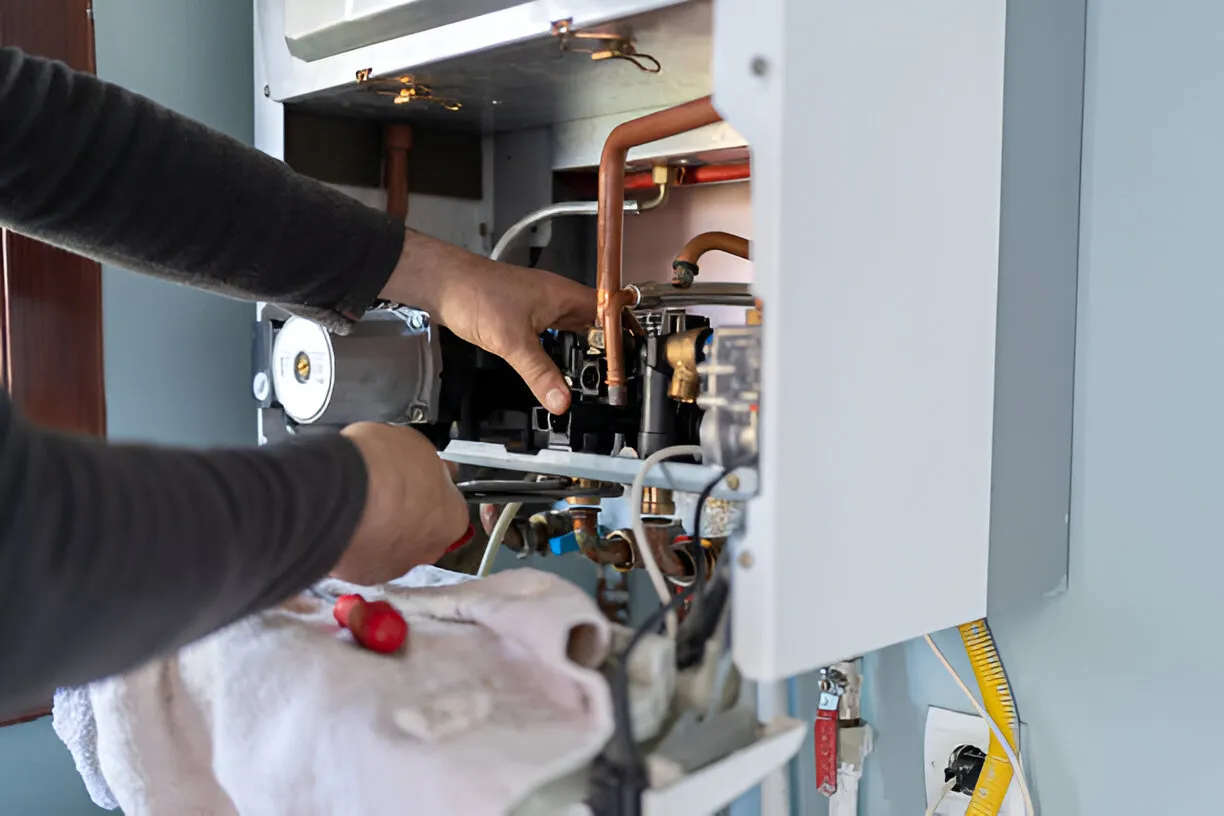
Common furnace problems in Powell homes
Residents in Powell see a mix of systems — older single-stage gas furnaces, modern two-stage or variable-speed units, and homes with long duct runs. These conditions create a predictable set of repair needs:
- No heat or intermittent heat — often caused by ignition or thermostat faults.
- Short-cycling (system turns on and off quickly) — usually filter, airflow, or control board related.
- Weak airflow from vents — clogged filters, failing blower motors, or duct restrictions common in older homes.
- Strange noises (clanking, rattling, squealing) — loose components, worn blower bearings, or belt failure.
- Yellow or flickering burner flame / smell of gas — combustion or gas supply issues that require immediate safety checks.
- High energy bills despite heating — inefficient burners, poor combustion, or a failing heat exchanger.
- Carbon monoxide concerns or failed safety switches — cracked heat exchangers or blocked vents can produce dangerous CO levels.
Step-by-step diagnostic approach
A professional furnace repair visit follows a methodical diagnostic process to identify root causes rather than guessing:
- Initial system history and symptom review — technician asks when the problem started, recent changes, and any error codes displayed on the thermostat or unit.
- Safety and power checks — verify electrical supply, breakers, and that gas is on; ensure the area around the furnace is safe for inspection.
- Visual inspection — check burners, heat exchanger, vents, flue, filters, and visible wiring for signs of damage, corrosion, or leaks.
- Operational testing — run the system through a full heating cycle to observe ignition behavior, burner flame, blower operation, and thermostat communication.
- Component testing — measure voltages, continuity, and motor amps; test pressure switches, limit switches, capacitors, and control boards as needed.
- Combustion and venting assessment — examine flame color, draft, and venting integrity; perform a carbon monoxide test if required.
- Diagnostic summary and repair plan — provide a clear explanation of findings, options, and estimated timeline for repairs or replacement components.
Typical component repairs and replacements
Many furnace repairs are component-level and can be completed in one visit, while others require ordering parts or advising replacement:
- Ignitor or pilot assembly replacement/repair — common on systems that fail to light.
- Flame sensor cleaning or replacement — resolves frequent shutdowns after ignition.
- Blower motor repairs or replacement — restores airflow and eliminates squealing/noisy operation.
- Capacitor and relay replacement — common for motor starting and electrical control failures.
- Pressure switch and limit switch service — fixes safety-triggered shutdowns and short-cycling.
- Control board or thermostat replacement — for communication, sequencing, or repeated error-code issues.
- Gas valve servicing — when gas delivery or modulation fails (requires certified handling).
- Heat exchanger assessment — cracks or severe corrosion usually push toward system replacement for safety; repairs are limited and closely governed by safety codes.
- Duct and filter corrections — improving air filters, sealing or insulating ducts often restores proper airflow and system balance.
Safety checks every furnace service should include
Safety is the top priority with any furnace repair:
- Carbon monoxide testing near the furnace and in living spaces.
- Gas leak detection at valves, unions, and connections.
- Combustion analysis to confirm proper fuel-to-air ratio and efficient burning.
- Venting and flue inspection to ensure exhaust is clear and drafting correctly.
- Verification of safety switches and limit controls to prevent overheating and unsafe operation.
- Documentation of any condition that requires immediate shutdown (for example, cracked heat exchanger) with clear explanation of risks and next steps.
Emergency response and typical timelines
Powell homeowners depend on fast service during cold snaps and storm-related outages. Reliable furnace repair services prioritize:
- Rapid triage for emergency calls — common practice is to prioritize loss-of-heat and safety-related issues, often providing same-day or next-business-day visits depending on call volume and weather.
- On-site fixes during the first visit for most common component failures when parts are carried on trucks.
- Follow-up parts orders for less-common components with transparent timelines for return visits.
- Clear communication about expected arrival windows and estimated repair durations so you can plan for temporary heating solutions if needed.
Pricing transparency: what to expect
Transparent pricing helps decision-stage customers compare options and proceed with confidence. Expect a clear estimate that includes:
- A diagnostic or service call fee (explained upfront) that covers inspection and basic testing.
- A detailed parts and labor breakdown showing the cost drivers (parts, labor hours, warranty coverage).
- Explanation of alternatives — repair vs component replacement vs full system replacement — with pros and cons for each based on system age and estimated remaining life.
- Warranty information on parts and workmanship so you know what is covered after the repair.
- Honest assessment when replacement is the safer or more economical option, especially with compromised heat exchangers or repeated major failures.
Maintenance tips and long-term benefits
Timely furnace repair and seasonal maintenance keep your system reliable through Powell winters and extend equipment life:
- Change filters regularly (monthly to quarterly depending on filter type and home conditions).
- Schedule annual heating inspections before the heating season to identify wear and prevent emergency failures.
- Keep vents and returns clear and balanced to maintain airflow and reduce strain on the blower motor.
- Address odd sounds and minor performance drops early to avoid bigger failures during cold weather.
- Consider system age when weighing repairs; as furnaces near the end of their expected lifespan, the total cost of frequent repairs often exceeds replacement value.
When furnace problems arise in Powell, OH, a methodical diagnostic approach, prioritized safety checks, and transparent, component-level repairs restore comfort and protect your home. Proactive maintenance and fast responses during winter weather keep your family warm and reduce the risk of urgent failures when you need heat most.
Hot Deals & Cool Savings

.webp)
New Service Agreement Membership
.webp)
Any New Client Service
Next Service for Referring a New Client
New Service Agreement Membership
Any New Client Service
Next Service for Referring a New Client
.webp)
.webp)

Service Areas
