
Heating Installation in Powell, OH
Professional heating installation in Powell, OH. Accurate sizing, code-compliant installation, and thorough testing for safe, efficient comfort. Learn more.

Heating Installation in Powell, OH
Replacing or installing a home heating system in Powell, OH is a major decision that affects winter comfort, energy bills, and safety for years. Powell homes face cold Ohio winters with occasional extended cold snaps and dry indoor air. A proper heating installation goes beyond swapping equipment — it begins with a careful assessment, accurate sizing, code-compliant work, and thorough testing to ensure reliable, efficient heat when you need it most.
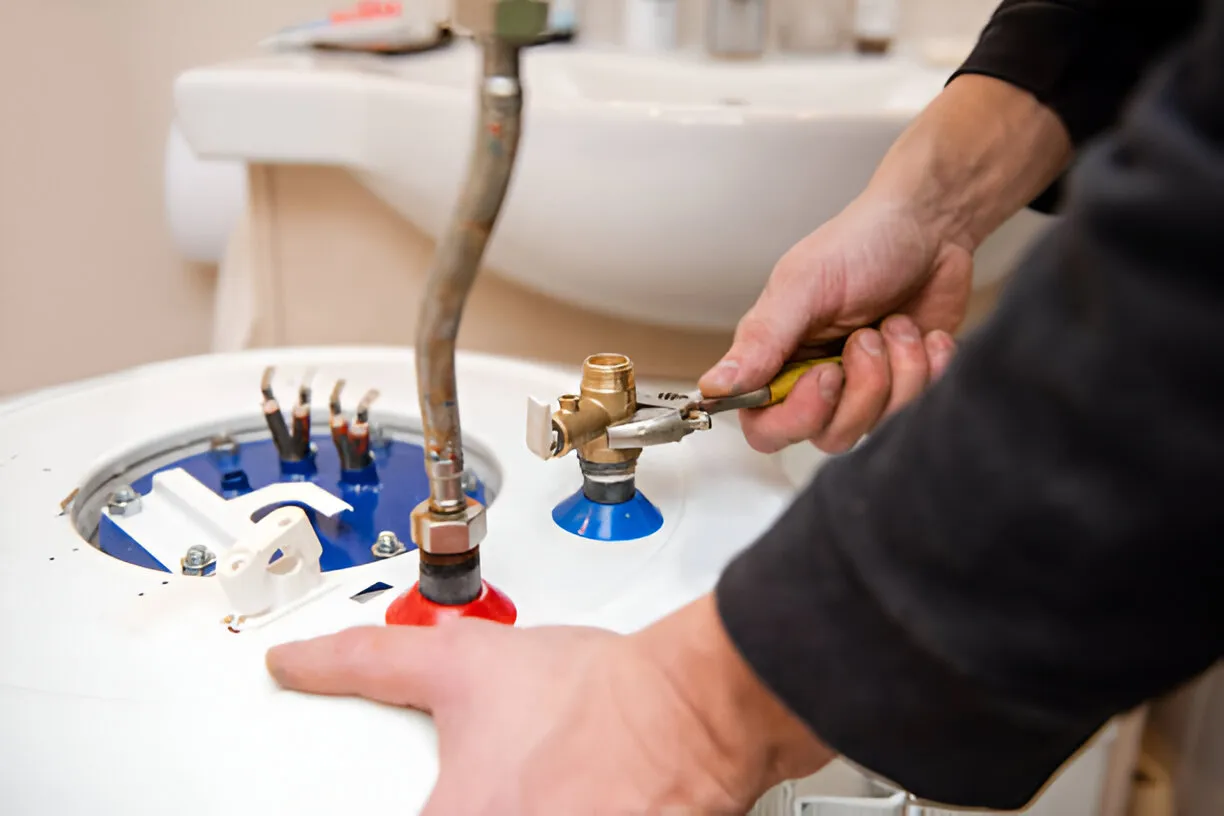
Why a professional heating installation matters in Powell, OH
- Ohio winters demand dependable heat and systems sized for local conditions. Undersized equipment struggles to keep homes warm during prolonged cold periods.
- Energy efficiency directly reduces monthly utility costs. Older or poorly installed systems waste fuel and wear out faster.
- Proper installation improves indoor air quality and humidity control — important during Powell’s dry winter months to reduce static, respiratory irritation, and wood shrinking.
- Safety: correct venting, combustion air, and electrical work are essential for gas and oil systems.
Common heating system types and which work well in Powell
- Gas furnaces (high-efficiency condensing furnaces) — Widely used in Central Ohio; modern units reach AFUE ratings above 95% and work well as a primary heat source.
- Air-source heat pumps and ductless mini-splits — Efficient in moderate cold; modern cold-climate heat pumps perform well in Powell when sized and installed correctly, and are excellent for homes seeking electric-driven systems.
- Dual-fuel systems — Combine a heat pump with a gas furnace for efficient operation across Ohio’s temperature range.
- Boilers and hydronic systems — Common in older or slab homes; offer even, quiet heat and pair well with radiant systems.
- Ductless split systems — Ideal for additions, basements, or homes without ducts.
Typical problems that lead homeowners to replace or install heating systems
- Repeated repairs and rising maintenance costs on aging equipment
- Uneven heating across rooms or floors
- High energy bills despite regular maintenance
- Safety concerns (cracked heat exchanger, venting problems)
- Desire for improved humidity control or better indoor air quality
- Transitioning away from older oil systems to gas or heat pumps
The heating installation process — what to expect
- Initial home assessment
- Technician inspects home layout, insulation levels, existing ductwork, thermostat placement, and fuel source.
- Evaluate attic, basement, or crawlspace for ventilation, clearances, and installation access.
2. Load calculations and system sizing
- A professional Manual J heat load calculation or equivalent estimates the heating demand based on square footage, insulation, window area, and local climate factors. Correct sizing prevents short cycling and ensures comfort during Powell’s cold stretches.
- Ducted systems also require Manual D duct design and Manual S equipment selection to match airflow and capacity.
3. Equipment selection
- Compare AFUE (for furnaces), HSPF/COP (for heat pumps), and warranty offerings. Higher-efficiency units can reduce fuel consumption but should be balanced with payback and home needs.
- Consider accessory options: variable-speed blowers, two-stage heating, zoning controls, whole-home humidifiers (helpful in Powell winters), and upgraded filtration for better indoor air quality.
- Evaluate space and venting requirements: condensing furnaces need condensate drains; boilers require proper piping and expansion tanks.
4. Permitting and code compliance
- Local building permits are typically required for furnace, boiler, or heat pump replacement. Permits ensure work follows Ohio mechanical and building codes.
- Compliance includes proper combustion air, venting or flue installation, gas line sizing, electrical connections, and safe clearances.
- Professional installers document work for inspections and warranty validation.
5. Professional installation steps
- Safe removal and disposal of the old unit with attention to fuel isolation and flue sealing.
- Mechanical installation: set equipment on proper pads or hangers, connect gas, condensate, refrigerant, or piping as applicable.
- Ductwork work: seal and insulate ducts, repair or resize as needed, and install proper registers/returns for balanced airflow.
- Electrical and controls: dedicated circuits, grounding, and thermostat wiring; program thermostats for efficiency and comfort.
- Insulation and ventilation adjustments, especially in older Powell homes, to ensure the heating system performs as intended.
6. Post-installation testing and start-up
- Combustion analysis (for gas/oil equipment) to verify safe and efficient burning.
- Airflow measurement and duct testing to ensure adequate distribution and minimize leakage.
- Temperature rise test for furnaces to confirm correct operation.
- Refrigerant charge and system pressures checked for heat pumps.
- Thermostat calibration and system cycling tests.
- Final safety checks: flue integrity, carbon monoxide sensors, electrical connections.
Warranties, documentation, and financing options
- Manufacturer warranties typically cover parts for a set period; some models include extended parts or compressor warranties. Labor warranties protect against installation defects for a defined term.
- Keep installation records: load calculations, permits, equipment model and serial numbers, and start-up reports — these are essential for warranty claims and future service.
- Financing options are commonly available to spread the cost of higher-efficiency equipment or whole-home upgrades. Typical plans include deferred-interest or fixed-term loans; installers can outline common structures and general qualification steps without specific offers.
Aftercare: maintenance and optimizing performance in Powell
- Annual professional tune-ups extend equipment life, maintain efficiency, and catch issues before they become failures during cold snaps.
- Change filters regularly and monitor humidity — add a humidifier to reduce dryness during winter.
- Balance and seal ducts to prevent heat loss in unconditioned spaces.
- Consider a maintenance plan that includes regular inspections and priority service for peace of mind during peak winter demand.
Long-term benefits of a proper installation
- Consistent, comfortable indoor temperatures across rooms and floors.
- Lower operating costs with correctly sized, high-efficiency equipment.
- Fewer emergency repairs and longer equipment life when installation follows best practices and local code.
- Better indoor air quality and humidity control — particularly important for Powell homeowners combating dry winter air.
A heating installation done right combines accurate sizing, careful equipment selection, code-compliant workmanship, and thorough testing. For Powell, OH residents, attention to cold-weather performance, proper humidification, and duct integrity are key factors that determine long-term comfort and energy savings.
Hot Deals & Cool Savings

.webp)
New Service Agreement Membership
.webp)
Any New Client Service
Next Service for Referring a New Client
New Service Agreement Membership
Any New Client Service
Next Service for Referring a New Client
.webp)
.webp)

Service Areas
