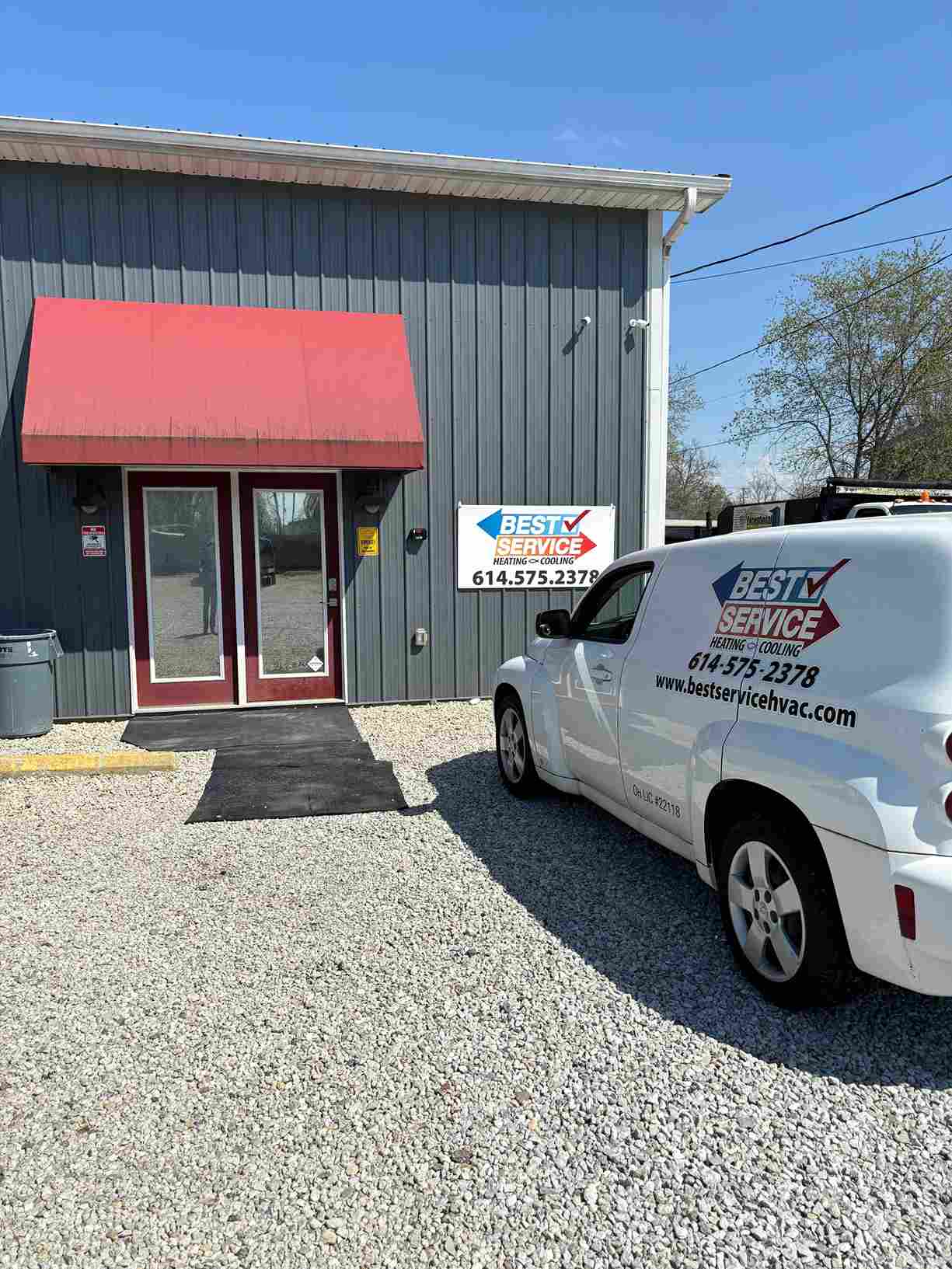
Heating Service in Baltimore, OH
Professional heating service in Baltimore, OH offers diagnostics, maintenance, and repairs to keep your home warm. Schedule now for reliable heat.

Heating Service in Baltimore, OH
Keeping your home warm and safe through cold Ohio winters depends on reliable heating service in Baltimore, OH. Whether your furnace won’t start on a subzero morning, a boiler is leaking, or a heat pump struggles when temperatures drop, timely diagnostics, routine maintenance, and professional repairs reduce disruption, lower energy bills, and protect your family from safety risks like carbon monoxide exposure.
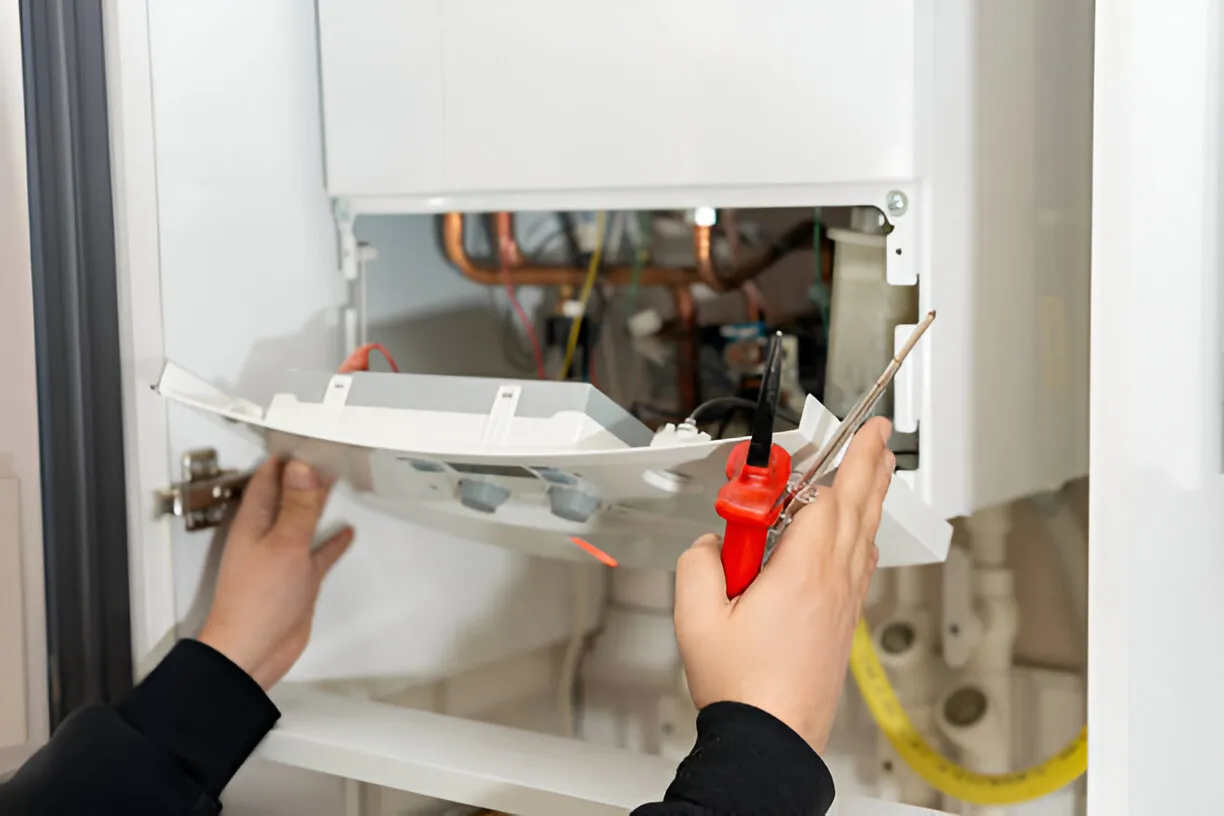
Common heating issues in Baltimore, OH homes
Baltimore and surrounding Fairfield County see wide temperature swings and high heating demand from late fall through early spring. That weather pattern makes a few problems especially common:
- Furnace won’t ignite or cycles without producing heat (starter, ignition, or airflow issues)
- Short cycling or frequent on/off cycles (oversized equipment, dirty filters, or thermostat problems)
- Cracked heat exchanger (safety concern causing carbon monoxide risk)
- Uneven heating between rooms or cold spots (duct leaks, poor zoning, or failing blower)
- Noisy operation (worn bearings, loose panels, or combustion issues)
- Boiler leaks or low pressure (corrosion, failed seals, or faulty expansion tanks)
- Heat pump loss of heating capacity in cold snaps (refrigerant issues, defrost cycle failure)
- Rising energy bills without comfort improvements (efficiency degradation)
Heating services we cover
Baltimore homeowners typically need a mix of preventive and reactive services. Typical coverage includes:
- Comprehensive diagnostics for furnaces, boilers, and heat pumps
- Routine maintenance and tune-ups (seasonal winter checkups, combustion and safety tests)
- Repairs and component replacement (ignitors, burners, heat exchangers, circulator pumps, reversing valves)
- Emergency response for no-heat situations and safety risks
- Full system replacement and upgrades (high-efficiency furnaces, condensing boilers, cold-climate heat pumps)
- Ductwork inspection and repair to address airflow and efficiency losses
- Service agreements / maintenance plans that include prioritized scheduling and discounts
What to expect during diagnostics and service
A professional heating diagnosis follows a clear, safety-first process:
- Initial call triage to assess symptoms and schedule appropriate response (emergency vs. scheduled visit).
- On-site safety check: carbon monoxide, gas leak sniff, visual inspection for obvious hazards.
- System inspection and testing: burner and combustion analysis, thermostat calibration, airflow measurement, electrical checks, refrigerant pressures (for heat pumps), and leak detection for boilers.
- Findings and options: technicians explain root causes, present repair vs replacement options, estimated parts and labor, and anticipated timeline.
- Repair or scheduled follow-up: work is performed with manufacturer-quality parts and documented checks to confirm restored operation.
Technicians use diagnostic tools such as combustion analyzers, manometers, leak detectors, and system software to ensure accurate results and long-term reliability.
Repairs and common solutions
Repair approaches are chosen to maximize safety and longevity:
- Furnace repairs: replace ignitors, gas valves, or control boards; clean or replace burners; repair or replace heat exchangers when necessary.
- Boiler repairs: seal leaks, replace circulator pumps or relief valves, flush and refill closed-loop systems, and address water treatment to prevent corrosion.
- Heat pump repairs: recharge refrigerant where appropriate, replace failing compressors or reversing valves, repair defrost systems, and upgrade controls for better cold-weather performance.
- Duct and airflow fixes: sealing leaks, balancing dampers, and replacing damaged duct sections to improve evenness and efficiency.
Safety repairs (cracked heat exchangers, gas leaks, or CO issues) are treated as top priority. When repair is not cost-effective or when equipment efficiency and reliability are significantly degraded, replacement is recommended with clear comparative costs and energy-savings projections.
Pricing structure and what influences cost
Heating service pricing depends on diagnosis complexity, parts required, and system type. Typical structure:
- Diagnostic fee / service call: commonly charged to evaluate the system and provide an estimate; often credited toward repair if authorized.
- Labor: billed as a flat rate for common repairs or an hourly rate for complex jobs. Rates vary regionally.
- Parts and materials: manufacturer parts priced based on model and availability; OEM vs aftermarket options may be offered.
- Major replacements: furnaces, boilers, and heat pumps vary widely by capacity and efficiency. Replacement pricing depends on system size, fuel type, installation complexity, and required ductwork or piping changes.
- Emergency or after-hours service: typically higher than scheduled service rates; many maintenance plans reduce or waive emergency premiums.
Factors that affect final cost: age and accessibility of equipment, need for permits, extent of duct or flue work, and whether system upgrades (controls, zoning, filtration) are included. Clear, written estimates prior to work help homeowners make informed decisions.
Technician qualifications and standards
Quality heating service in Baltimore, OH relies on trained, certified technicians. Look for technicians with:
- Industry certifications (for example, NATE or equivalent)
- Proper EPA certification for refrigerant service (for heat pumps)
- Ohio licensing and proof of insurance
- Ongoing manufacturer training and regular in-field experience with furnaces, boilers, and heat pumps
- Standard safety practices: combustion testing, carbon monoxide monitoring, and adherence to local codes and permitting requirements
Technicians should explain repairs in plain language, show the worn components, and provide maintenance tips to avoid repeat issues.
Service agreements and maintenance plans
A seasonal maintenance plan is one of the most cost-effective steps for Baltimore homeowners to extend equipment life and reduce emergency repairs. Typical plan benefits:
- Annual or biannual tune-ups (cleaning, safety tests, efficiency adjustments)
- Priority scheduling during peak cold weather
- Discounts on parts and labor for covered repairs
- Reduced diagnostic fees or waived service-call charges
- Documentation of maintenance for warranty compliance and resale value
For homes with older systems or those exposed to heavy winter cycling, a maintenance plan often pays for itself through lower energy use and fewer breakdowns.
Scheduling logistics and what homeowners should prepare
Scheduling options usually include emergency response and booked appointments with arrival windows. To prepare for a technician visit:
- Ensure safe, clear access to the mechanical room and thermostat
- Turn off pets or secure them away from the work area
- Have previous service records or model numbers available if possible
- Note any unusual noises, odors, or the history of intermittent issues to help the technician diagnose quickly
On arrival, expect a brief explanation of the visit, the inspection process, and a written estimate before any non-emergency work proceeds.
Long-term benefits of timely heating service
Regular, professional heating service in Baltimore, OH reduces the chance of a midwinter breakdown, improves indoor comfort, lowers monthly energy costs, and protects against safety hazards. For older homes or homes with higher heating demands, scheduled maintenance and prompt repairs maintain efficiency and can postpone the larger investment of system replacement.
Keeping systems tuned for the local climate and usage patterns in Baltimore ensures steady, efficient heat through Ohio’s cold months and peace of mind for homeowners.
Hot Deals & Cool Savings

.webp)
New Service Agreement Membership
.webp)
Any New Client Service
Next Service for Referring a New Client
New Service Agreement Membership
Any New Client Service
Next Service for Referring a New Client
.webp)
.webp)
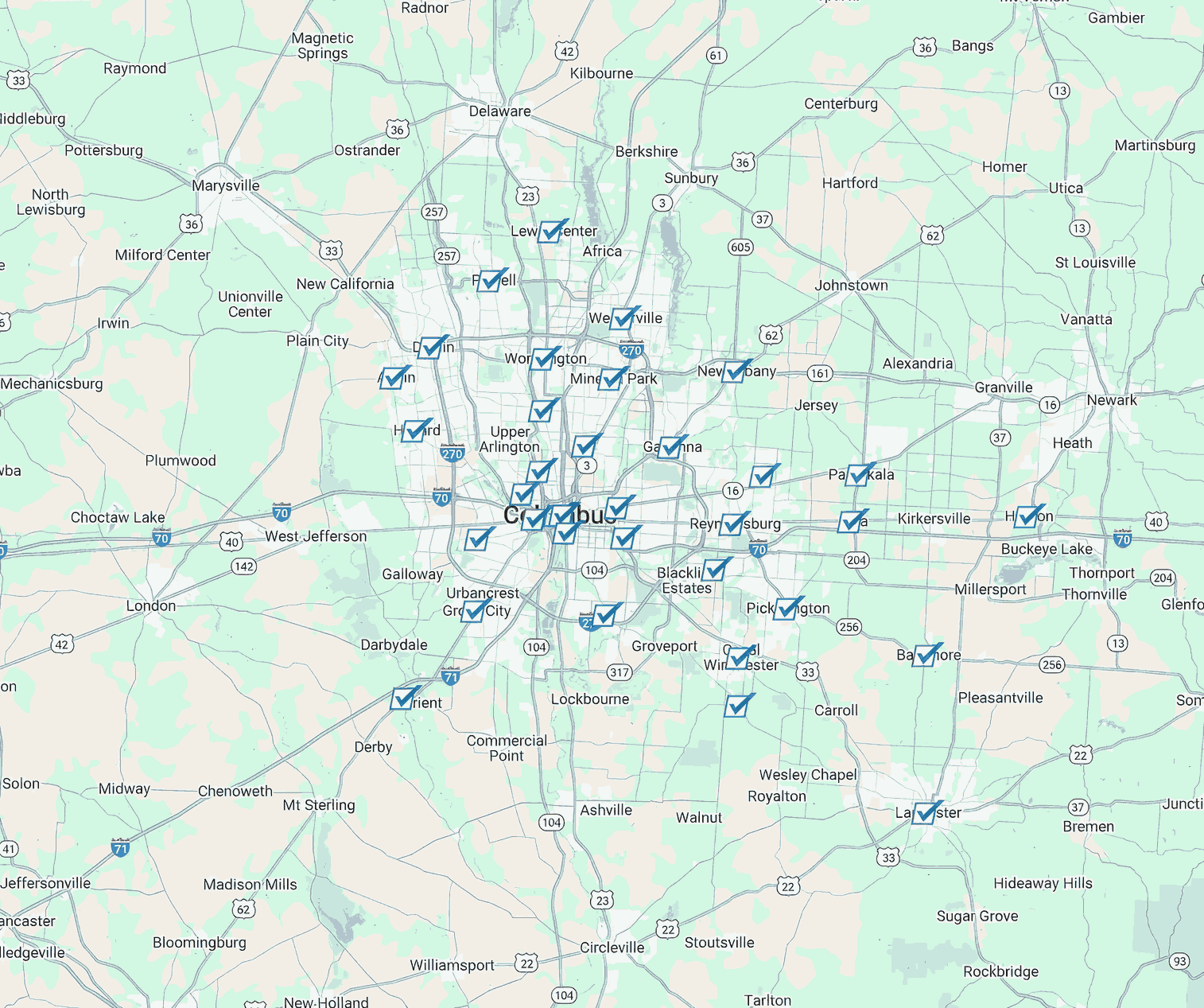
Service Areas