
Heating Installation in Baltimore, OH
Professional heating installation in Baltimore, OH. Learn about load assessments, equipment options, and financing—get a reliable, efficient system today.

Heating Installation in Baltimore, OH
Installing a new heating system is one of the most important home investments you can make in Baltimore, OH. Winters in central Ohio are cold and often long—properly sized, efficient heating equipment improves comfort, reduces utility bills, and protects your home from freeze-related damage.
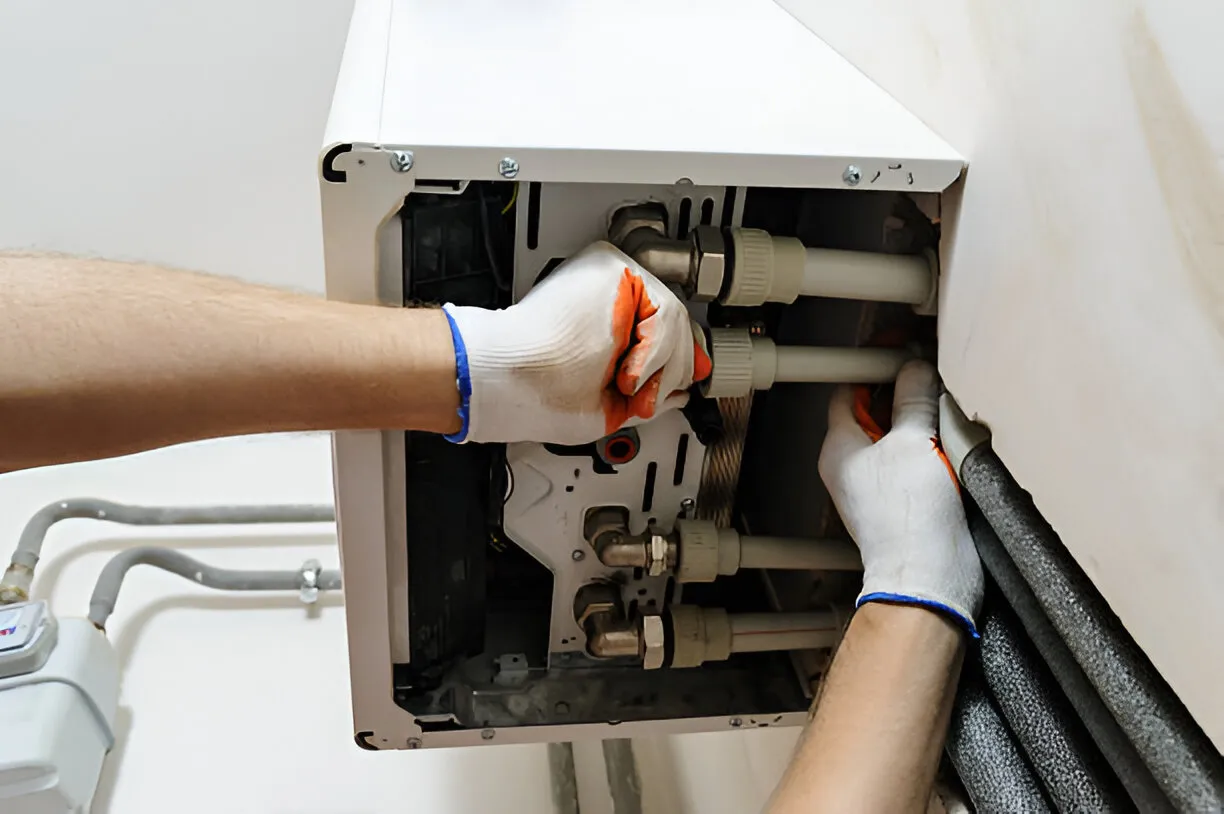
Why replace or install a new heating system in Baltimore, OH
- Older furnaces and boilers often lose efficiency and reliability after 15–20 years, increasing fuel bills and emergency repairs.
- Baltimore’s winter temperatures and occasional deep cold spells make dependable heat essential for comfort and preventing frozen pipes.
- Newer high-efficiency systems reduce energy use, lower monthly utilities, and qualify for rebates or financing options that improve payback.
- Home renovations, added living space, or conversion from electric baseboard heating often require upgraded heating capacity and distribution.
Common heating system types for Baltimore homes
- Gas furnaces (high-efficiency AFUE models) — Most common in central Ohio; look for 90%+ AFUE for long-term savings.
- Electric heat pumps / ductless mini-splits — Efficient for mild-to-moderate winters and great when upgrading from electric resistance heat or for homes without ductwork.
- Boilers (hydronic systems) — Ideal for older homes with radiator or in-floor heating; modern condensing boilers can be very efficient.
- Hybrid systems (heat pump + furnace) — Combine heat pump efficiency with furnace backup for colder nights common in Baltimore.
Home load assessment: the foundation of the right install
A professional home load assessment ensures the new system is sized and specified correctly. Key elements:
- Manual J calculation to determine the heating load based on square footage, insulation, window area, orientation, and local climate conditions.
- Evaluation of existing ductwork or piping for leakage, sizing, and insulation.
- Inspection of attic, basement, and crawl spaces to identify heat loss paths common in older Baltimore homes.
- Recommendation for insulation or air-sealing improvements that can reduce system size and operating cost.
A correctly sized system delivers consistent comfort, longer equipment life, and better energy performance. Oversized or undersized equipment creates short cycling, uneven heat, and higher utility bills.
Equipment selection: efficiency ratings and model comparisons
When comparing models, consider:
- AFUE (Annual Fuel Utilization Efficiency) for furnaces and boilers — higher AFUE means more of the fuel becomes heat for your home.
- HSPF / SEER for heat pumps — higher ratings equal better heating (HSPF) and cooling (SEER) efficiency.
- Features such as two-stage or modulating burners, variable-speed blowers, and smart thermostats support comfort and efficiency in Baltimore’s variable winters.
- Size and compatibility with existing ductwork or hydronic systems.
- Long-term operating costs, not just purchase price — higher-efficiency units typically save more in fuel costs over time.
A model comparison should include estimated annual energy use, expected lifespan, noise levels, and warranty terms to give a complete ownership picture.
Site preparation: what to expect before installers arrive
- Clear the installation area and provide safe access to equipment locations (furnace closet, basement, garage, or outdoor pad for heat pumps).
- Identify venting routes, combustion air access, and condensate drainage paths for high-efficiency equipment.
- Prepare space for any necessary ductwork or piping changes; older Baltimore homes may require additional clearance or structural adjustments.
- Confirm electrical service capacity for new components (additional breakers or upgraded service may be required for heat pumps).
Professional installation steps
A professional installation typically follows these stages:
- Final on-site verification of load calculations and equipment placement.
- Removal and responsible disposal of old equipment according to local codes.
- Installation of new equipment, ductwork, piping, vents, and control systems.
- Refrigerant charging and system balancing for heat pumps or airflow adjustments for furnaces.
- Safety checks, combustion analysis (for fuel-burning appliances), and thermostat programming.
- A full system demonstration and operational walk-through covering maintenance basics and warranty registration.
Quality installations emphasize neat work, proper clearances, and careful testing to ensure peak performance from day one.
Permitting, inspections, and code compliance
Heating replacements in Baltimore, OH typically require permits and inspections from the local building department. Licensed installers will:
- Pull required permits and schedule inspections.
- Ensure installations meet Ohio mechanical and safety codes, venting standards, and local ordinances.
- Provide documentation needed for permits, rebates, or insurance purposes.
Permitting protects homeowners by ensuring the work is inspected and up to code.
Timeline expectations
- Initial consultation and home load assessment: usually within a few days to a week.
- Equipment selection and permitting: one to three weeks depending on permit turnaround and equipment availability.
- Installation day(s): simple furnace swaps can often be completed in a day; more complex installs involving ductwork, boiler piping, or heat pump outdoor units may take two to four days.
- Final inspection and handover: scheduled after installation and testing; timing varies with the local building department.
Advance planning and clear communication help minimize disruption and keep projects on schedule.
Warranties, maintenance plans, and long-term protection
- New systems come with manufacturer warranties on major components; read terms for parts and heat exchangers.
- Installer warranties and workmanship guarantees provide additional protection; confirm what is covered and for how long.
- Regular maintenance, such as an annual tune-up, extends equipment life and maintains efficiency — maintenance plans often include priority service, discounts, and seasonal checks tailored to Baltimore’s climate needs.
- Proper warranty registration and documentation after installation preserves coverage.
Financing considerations and ownership math
Financing options make higher-efficiency systems more accessible. When evaluating financing:
- Compare loan terms, interest rates, and monthly payments against projected energy savings.
- Factor in potential local or utility rebates and long-term fuel cost reductions.
- Consider cost of deferred maintenance on older systems versus investing in a new, efficient unit.
A cost-benefit view that includes efficiency, expected life, and maintenance obligations helps determine the best investment for your Baltimore home.
Final benefits and seasonal maintenance tips
A professionally installed heating system delivers:
- Consistent comfort during Baltimore’s cold months.
- Lower energy bills with modern efficiency.
- Reduced repair risk and longer equipment life.
- Improved indoor air quality when paired with proper filtration and humidification.
Maintenance tips:
- Change filters regularly and schedule annual professional tune-ups.
- Seal air leaks and add insulation where practical to reduce load.
- Test carbon monoxide detectors if you have combustion appliances.
Choosing the right system and ensuring a thorough, code-compliant installation sets your home up for reliable comfort and efficient operation through Baltimore’s winters.
Hot Deals & Cool Savings

.webp)
New Service Agreement Membership
.webp)
Any New Client Service
Next Service for Referring a New Client
New Service Agreement Membership
Any New Client Service
Next Service for Referring a New Client
.webp)
.webp)

Service Areas
