
Heating Replacement in Baltimore, OH
Baltimore, OH heating replacement services with expert evaluation, energy savings, rebates, financing, and warranty options. Learn more or get a tailored estimate today.

Heating Replacement in Baltimore, OH
When your heating system struggles to keep your Baltimore, OH home comfortable through the long, cold winters, it may be time to consider a full heating replacement. Replacing an aging furnace, boiler, or heat pump is a significant investment, but for many homeowners in the Columbus metro area it delivers improved comfort, predictable performance on the coldest nights, and meaningful energy savings over time.
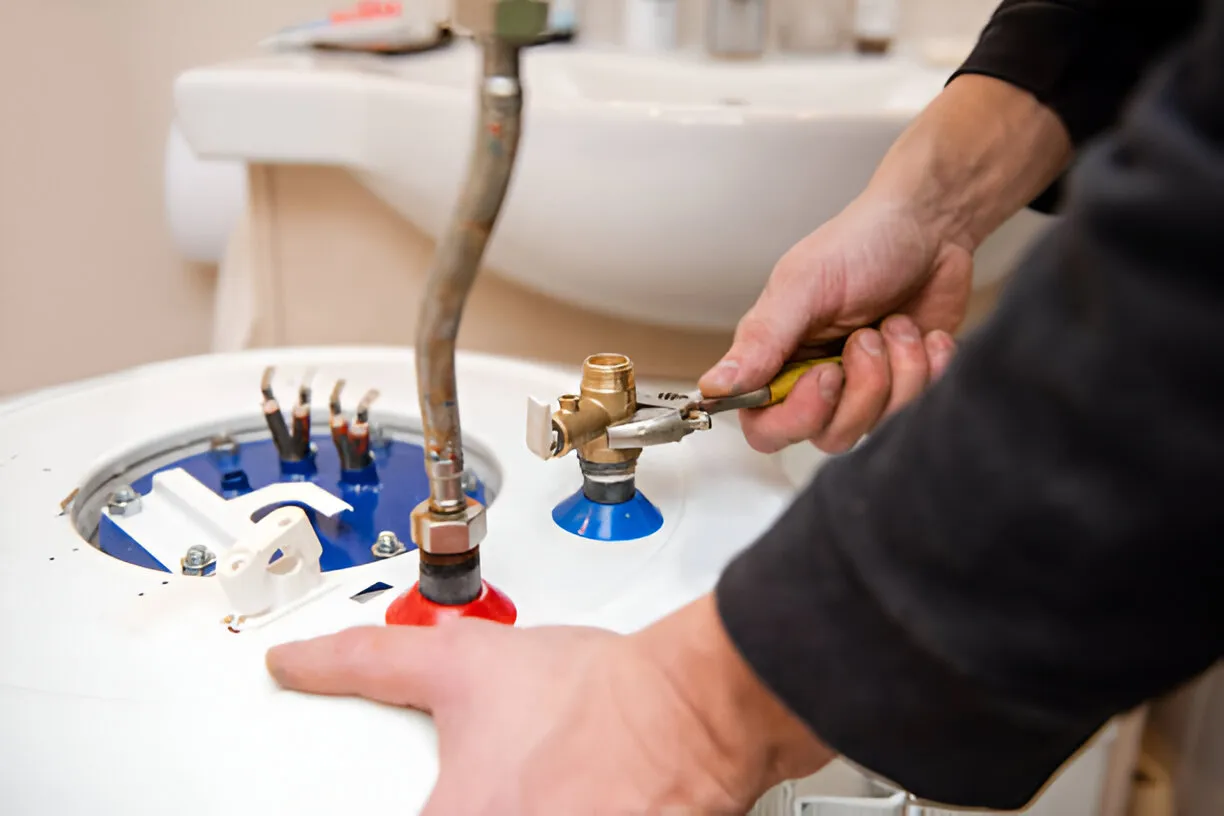
When to consider full heating replacement
Consider replacement rather than repair when you see several of these signals:
- Your system is more than 15–20 years old or at the end of its expected service life.
- Frequent breakdowns or repeated, costly repairs within a short timeframe.
- Uneven heating, persistent cold spots, or inability to reach set temperatures during typical winter lows in central Ohio.
- Rising energy bills with no change in usage patterns — older systems lose efficiency over time.
- Noisy operation, yellow burner flame (for gas systems), or safety concerns like repeated pilot failures or carbon monoxide detection issues.
- Replacement of other major home systems (insulation, windows, ductwork) that would benefit from a properly sized, modern heater.
For Baltimore, OH homeowners, cold snaps and subfreezing nights increase the risk of system overload. Older furnaces and boilers in this region often struggle with the frequent on/off cycles caused by quick temperature swings, making timely replacement more cost-effective than repeated repairs.
Common heating replacement types and issues in Baltimore, OH
- Gas furnace replacement: Common in older Columbus-area homes. Issues prompting replacement include cracked heat exchangers, unreliable ignition systems, and low AFUE (annual fuel utilization efficiency) ratings.
- Boiler replacement: Older cast-iron boilers can leak or lose efficiency. Modern condensing boilers offer higher efficiency for hot-water systems.
- Heat pump replacement (air-source or ductless): In milder winters, heat pumps provide efficient heating and cooling. Newer models perform better in colder weather and can dramatically reduce utility costs when replacing very old electric resistance or inefficient systems.
- Ductwork-related replacements: Poorly sized or leaky ducts can negate a new furnace’s efficiency gains. Replacement projects may include duct repair, sealing, and insulation.
Evaluation and recommendation process
A professional heating replacement begins with a thorough evaluation designed to match system performance to your home’s needs:
- Home inspection and load calculation: Technicians perform a Manual J load calculation to determine correct system size based on square footage, insulation, window types, and orientation — crucial for Baltimore homes with older construction or varied insulation levels.
- Ductwork assessment: Duct leakage, improper sizing, and airflow restrictions are identified. Recommendations may include sealing, resizing, or replacing sections of ductwork to ensure balanced airflow.
- Fuel and infrastructure review: Whether your home uses natural gas, propane, or electricity affects system choice. Local utility availability and existing venting or gas lines are reviewed.
- Efficiency and lifestyle matching: Technicians propose options that match your comfort expectations, budget, and efficiency goals — from high-efficiency condensing furnaces to hybrid systems or heat pumps.
- Clear written recommendation: Expect a comparison of options that explains expected efficiency (AFUE, HSPF), estimated energy savings, projected payback periods, and expected lifespan.
Energy-efficiency benefits and what to expect
- Lower utility bills: Upgrading from a 60–70% AFUE furnace to a modern 95%+ condensing model can reduce fuel use substantially. Replacing an inefficient system often yields 20–40% heating energy savings depending on the equipment and home.
- Improved comfort: Modern systems provide more consistent temperatures, better humidity control, and quieter operation.
- Reduced carbon footprint: Higher-efficiency equipment uses less fuel per heating hour, an important consideration for homeowners focused on sustainability.
- Longer service life and reliability: New systems come with protections and diagnostics that reduce emergency repairs during harsh Baltimore winters.
Cost versus long-term savings
Replacing a heating system is an investment. Consider these long-term factors when evaluating cost:
- Energy savings: Lower monthly bills accrue over time and can offset initial investment. Homes with poor insulation will see the greatest percentage improvement when combined with weatherization work.
- Maintenance and repair avoidance: New systems reduce the frequency and cost of emergency service calls and major repairs.
- Home value and marketability: A modern, high-efficiency heating system is an attractive feature to buyers in the central Ohio market.
- Payback period: Typical payback periods vary widely based on current system age, fuel costs, and usage patterns. Your personalized estimate should include projected annual fuel savings and lifecycle cost analysis.
Removal, disposal, and installation timeline
- Old equipment removal: Professionals will safely disconnect and remove old units, handle refrigerant recovery for heat pumps, and dispose of equipment according to local regulations.
- Installation timeline: Most single-family home replacements are completed in 1 to 2 days for straightforward furnace or heat pump swaps. Complex projects (boiler replacement, major ductwork changes, or new gas lines) can take several days to a week.
- Site protection and cleanup: Proper installations include protecting floors, hauling away debris, and leaving the home clean and safe.
- Safety checks and startup: Technicians perform combustion, venting, and carbon monoxide checks (for combustion systems), airflow balancing, and system startup with homeowner orientation.
Rebates, financing, and warranty coverage
- Rebates and incentives: Many homeowners qualify for utility rebates, manufacturer incentives, or federal tax credits for high-efficiency equipment and heat pumps. Local energy efficiency programs in the Columbus region may offer rebates for specific upgrades like condensing boilers or smart thermostats.
- Financing options: Flexible financing or payment plans are commonly available to spread replacement costs. Financing terms, eligibility, and monthly payment examples should be discussed during the estimate phase.
- Warranty coverage: New equipment typically includes a manufacturer’s parts warranty and often a separate labor warranty. Extended warranties and maintenance plans can protect performance and extend the system’s service life. Be sure to review what is covered (parts, compressors, heat exchangers) and any required maintenance to keep warranties valid.
Maintenance and long-term care
After replacement, regular maintenance keeps your new system efficient and reliable:
- Annual or biannual tune‑ups, filter changes, and combustion checks preserve efficiency and warranty coverage.
- Enrolling in a maintenance plan can lower long-term costs and prioritize service during cold snaps common in Baltimore winters.
- Sealing and insulating ducts, upgrading thermostat controls, and addressing home insulation create the biggest combined energy savings when paired with a new system.
Replacing a heating system in Baltimore, OH is about more than immediate comfort — it is a long-term investment in energy savings, reliability, and home value. A careful evaluation and professional installation tailored to local climate and home construction ensures you get the right equipment and lasting performance throughout central Ohio’s cold season.
Hot Deals & Cool Savings

.webp)
New Service Agreement Membership
.webp)
Any New Client Service
Next Service for Referring a New Client
New Service Agreement Membership
Any New Client Service
Next Service for Referring a New Client
.webp)
.webp)

Service Areas
