
Furnace Maintenance in Baltimore, OH
Baltimore, OH furnace maintenance service keeps your system safe and efficient. Schedule a tune-up today to prevent breakdowns.

Furnace Maintenance in Baltimore, OH
Keeping your furnace tuned and safe is essential for comfortable, reliable winters in Baltimore. With cold snaps, fluctuating temperatures, and seasonal humidity changes common to central Ohio, routine furnace maintenance prevents breakdowns during the months you need heat most, improves efficiency, and reduces safety risks like carbon monoxide exposure.
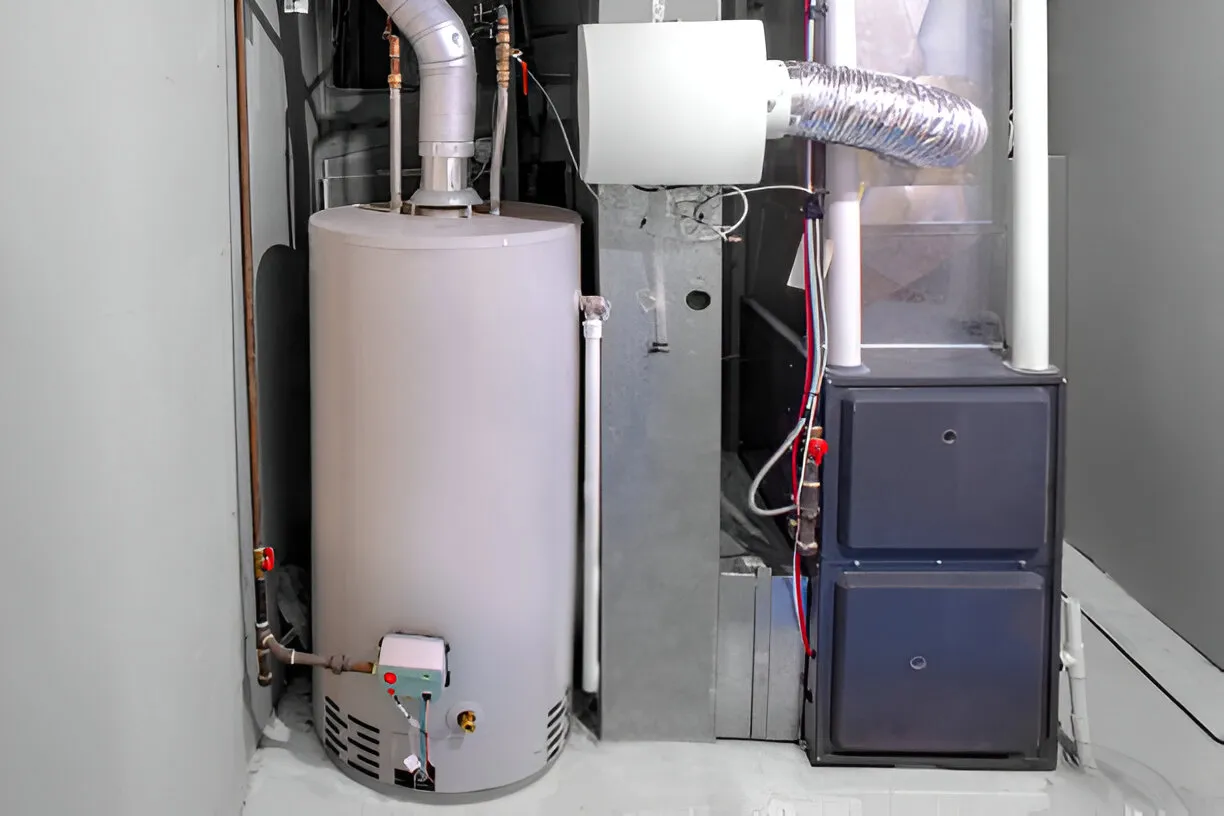
Common furnace maintenance issues in Baltimore, OH
Homeowners in Baltimore often face the same recurring problems that routine maintenance can prevent or fix quickly:
- Dirty or clogged filters causing reduced airflow and uneven heating
- Soot or debris buildup on burners that lowers combustion efficiency (oil and gas furnaces)
- Worn blower motors or belts that make noise or reduce circulation
- Cracked or corroded heat exchangers that risk carbon monoxide exposure
- Faulty ignition systems, pilot assemblies, or flame sensors that cause intermittent operation
- Blocked or poorly sealed vents and flues that reduce draft and increase backdraft risk
- Thermostat calibration drift leading to temperature swings and short cycling
These issues are more likely to appear in homes with older equipment, high-use seasons during prolonged cold snaps, or where high indoor humidity and seasonal temperature swings accelerate wear.
What routine furnace maintenance includes
A professional furnace maintenance visit addresses safety, efficiency, and performance through a series of standard tasks. A typical tune-up covers:
- Filter check and replacement — Inspect filters and replace or advise on the proper MERV rating and replacement frequency for your system and indoor air needs.
- Combustion component cleaning — Clean burners, pilot assembly or ignitor, and flame sensors to restore reliable ignition and efficient combustion.
- Heat exchanger inspection — Visual and instrument-assisted inspection for cracks, corrosion, or signs of stress that can allow combustion gases into the home.
- Safety and efficiency checks — Test limit switches, pressure switches, and other safety controls; measure system pressures and gas flow on gas units as required.
- Blower and motor service — Clean blower wheel, check motor bearings, belts, and lubrication points to restore proper airflow.
- Venting and flue inspection — Ensure draft, clear obstructions, and check for corrosion or gaps in venting that affect safety.
- Thermostat calibration and control checks — Verify correct settings and proper communication with the furnace for consistent comfort.
- System performance testing — Measure temperature rise, cycle times, and, when applicable, combustion efficiency to confirm safe and efficient operation.
- Ductwork review — Inspect accessible ductwork for leaks, loose seams, and insulation issues that reduce heating effectiveness.
Technicians document findings and prioritize repairs that affect safety or imminent failure.
Diagnostic process — what technicians look for
During diagnostics, a trained technician follows a structured approach to identify both immediate problems and underlying causes:
- Visual inspection of accessible components for wear, corrosion, and debris
- Test startup and operating cycle to detect abnormal noises, delays, or short cycling
- Measurement of heat rise across the heat exchanger to confirm proper airflow and combustion balance
- Combustion analysis or carbon monoxide check when indicated, to verify safe exhaust and combustion quality
- Electrical checks for loose connections, voltage irregularities, and control board codes that indicate faults
- Review of maintenance history to identify recurring issues or components near end of life
This combination of observation and measurement helps pinpoint needed repairs and establish a preventive plan.
Repairs and solutions commonly recommended
When maintenance reveals issues, common solutions include:
- Replacing filters, belts, or capacitors to restore reliable startup and airflow
- Cleaning or replacing burners, flame sensors, or ignitors to stop frequent shutdowns
- Repairing or replacing venting sections and sealing duct leaks to improve safety and efficiency
- Replacing malfunctioning safety switches or control boards that prevent safe operation
- Replacing a cracked heat exchanger or recommending system replacement when repair is no longer safe or cost-effective
Technicians will typically rank repairs by urgency: safety-related fixes first, then items that impact energy use and long-term reliability.
Recommended maintenance schedule for Baltimore homeowners
To align with local weather and home conditions in Baltimore, OH, follow this schedule:
- Filter checks: Every 1 to 3 months for standard disposable filters; high-efficiency filters may need more frequent monitoring depending on household conditions.
- Annual professional tune-up: Complete inspection and service before the heating season (late summer or early fall) so your system is ready for sustained cold weather.
- Mid-season check: For older systems or high-use households, a mid-winter check can catch issues early during peak demand.
- Immediate inspection: If you notice strange smells, soot, excess cycling, or elevated utility bills, schedule a professional check promptly to rule out safety risks.
A consistent schedule helps avoid emergency repairs during bitterly cold nights common in central Ohio.
Maintenance agreements and membership benefits
Enrolling in a maintenance agreement is a practical option for Baltimore homeowners who want predictable care and priority service. Typical benefits include:
- Annual or biannual scheduled tune-ups documented for warranty compliance
- Priority or expedited service during peak heating season
- Discounts on repair labor and replacement parts
- Regular filter delivery or reminders to keep airflow healthy
- Recordkeeping of system history to spot trends and plan timely replacements
Maintenance agreements reduce the chance of surprise failures and often pay for themselves through improved efficiency and reduced emergency callouts.
Why timely furnace maintenance matters in Baltimore, OH
Regular furnace maintenance protects your family and your investment. In Baltimore’s climate, where cold snaps and freeze-thaw cycles stress equipment, proper care:
- Improves energy efficiency and lowers heating costs
- Reduces the risk of mid-winter breakdowns and costly emergency repairs
- Extends the functional life of your furnace by preventing premature component failure
- Helps maintain manufacturer warranties that require documented annual service
- Minimizes safety risks by identifying combustion or ventilation problems early
Seasonal maintenance is especially important in older homes common in the region where ductwork, venting, and insulation can magnify issues.
Seasonal tips for Baltimore homes
- Change filters before the heating season and check them monthly during heavy use.
- Keep vents and returns clear of furniture or rugs that restrict airflow.
- Ensure outdoor vent terminations are free of debris, bird nests, and snow buildup.
- If your home uses a programmable thermostat, set appropriate setback schedules to avoid excessive cycling.
- Keep a carbon monoxide detector with fresh batteries near sleeping areas and follow a maintenance schedule to reduce risk.
Regular maintenance keeps your furnace running efficiently and safely, providing reliable warmth through Ohio winters. Routine inspections, timely repairs, and a documented maintenance plan are the most effective ways to protect comfort, efficiency, and safety in Baltimore, OH homes.
Hot Deals & Cool Savings

.webp)
New Service Agreement Membership
.webp)
Any New Client Service
Next Service for Referring a New Client
New Service Agreement Membership
Any New Client Service
Next Service for Referring a New Client
.webp)
.webp)

Service Areas
