
Heating Replacement in Reynoldsburg, OH
Reynoldsburg heating replacement services help you evaluate end-of-life equipment, choose efficient options, and schedule installation; learn more about financing, rebates, and timelines.

Heating Replacement in Reynoldsburg, OH
Replacing a heating system is a major decision for Reynoldsburg homeowners. Winters here bring sustained cold temperatures and occasional deep freezes, so a reliable, efficient furnace, boiler, or heat pump is essential for comfort and safety.
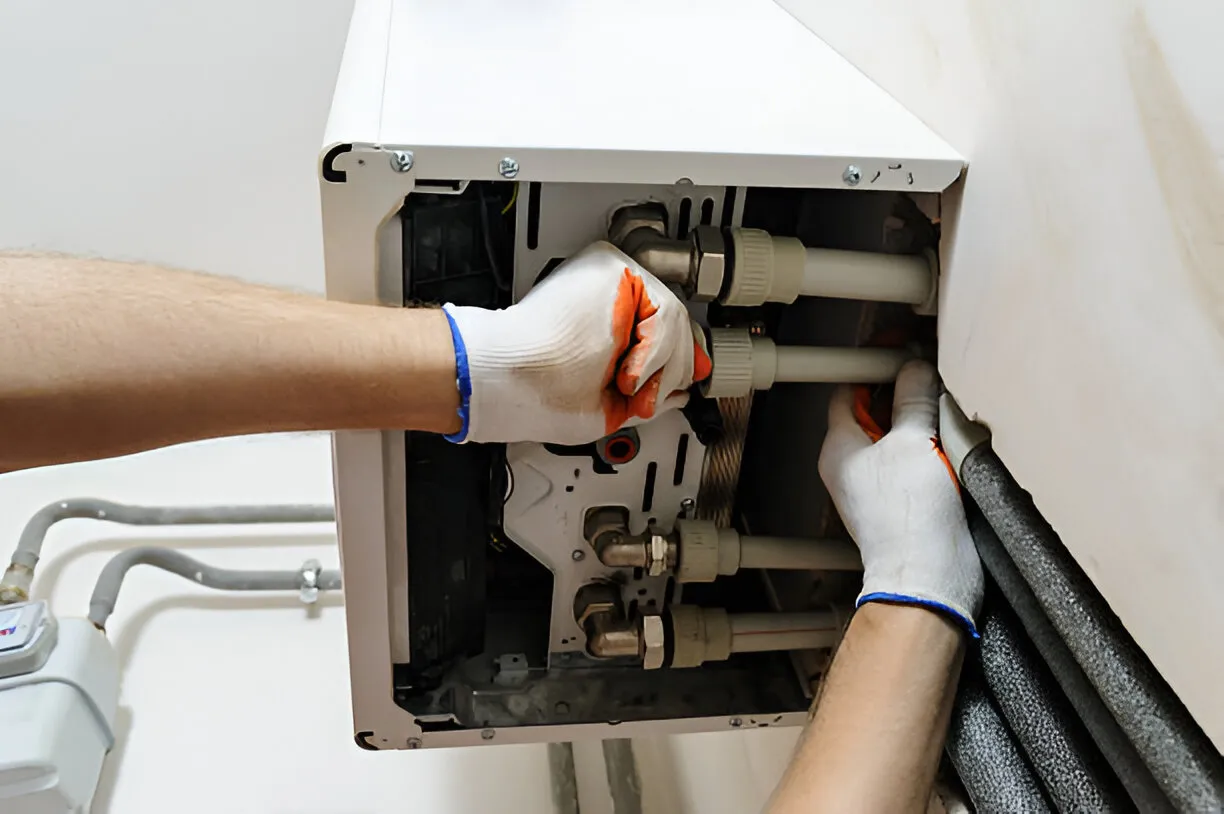
Common signs your heating system needs replacement in Reynoldsburg
- Frequent breakdowns or costly repairs in consecutive winters
- Equipment older than 15 years (older furnaces and boilers often lose efficiency and reliability)
- Rising natural gas or electric bills despite regular use
- Uneven heating across rooms or chronic cold spots
- Strange odors, soot, or yellow pilot flames (safety and combustion concerns)
- Noisy operation, excessive cycling, or inability to maintain set temperature
- Home is being renovated or insulated — a correctly sized modern system will perform much better
How we evaluate end-of-life equipment
A professional replacement decision starts with a structured evaluation that balances safety, long-term cost, and performance:
- Visual and operational inspection: check heat exchanger, burners, venting, controls, and any visible corrosion or leaks.
- Repair history and cost analysis: compare recent repair frequency and projected future repair costs against replacement value.
- Efficiency and performance check: measure current AFUE (furnace/boiler) or HSPF/SEER (heat pump/AC combos), blower performance, and duct leakage.
- Sizing assessment: conduct a Manual J load calculation for accurate heating load in Reynoldsburg homes — older rules of thumb can lead to oversized or undersized equipment.
- Indoor air and combustion safety review: carbon monoxide risk, venting integrity, and indoor air quality considerations.
Energy-efficiency upgrade options for Reynoldsburg homes
Reynoldsburg experiences cold winters and humid summers, so pick a system that balances winter heat and summer cooling efficiency if you rely on a combined HVAC setup.
High-efficiency gas furnaces
- Look for AFUE ratings of 95% or higher for maximum fuel-to-heat conversion.
- Modulating or two-stage burners improve comfort and reduce cycling losses.
Heat pumps (cold-climate models)
- Modern cold-climate heat pumps now perform well in central Ohio winters and can cut fuel costs when replacing older electric or gas systems.
- Consider air-source heat pumps with high HSPF and supplemental backup heat or dual-fuel configurations paired with natural gas furnaces for very cold snaps.
Boilers and hydronic systems
- Condensing boilers with high thermal efficiency are appropriate for homes with radiators or in-floor hydronic heat.
- Properly sized and piped systems reduce cycling and fuel waste.
Ductless mini-splits and zoning
- Ideal for additions, converted spaces, or when ductwork replacement is impractical. Zoning delivers tailored comfort and energy savings for multi-level Reynoldsburg houses.
Controls and IAQ upgrades
- Smart thermostats, variable-speed blowers, whole-home humidifiers, and high-efficiency filters enhance comfort and reduce operating costs when paired with a modern system.
Removal and disposal of old units
Responsible removal follows safety and environmental rules:
- Refrigerant recovery: heat pump and AC systems must have refrigerant professionally recovered by certified technicians per EPA requirements.
- Proper disposal of metals, insulation, and electronic controls in accordance with local municipal rules.
- Safe handling of combustion appliances: gas piping, venting, and fuel lines are capped and tested to code.
- Recycling and scrap: many components (steel, copper) are recyclable; contractors should provide documentation of disposal method on request.
What affects replacement cost
Rather than a flat price, replacement cost depends on many site-specific variables:
- Equipment type and efficiency level chosen (furnace, heat pump, boiler, or hybrid systems)
- Accurate sizing per Manual J and whether ductwork needs repair, sealing, or replacement
- Complexity of installation: access, chimney/venting modifications, or structural changes increase labor time
- Required permits and inspections from local Reynoldsburg/Franklin County authorities
- Additional upgrades: new thermostat, zoning dampers, or indoor air quality devices
- Removal and disposal needs, and any necessary electrical or gas line upgrades
Available rebates, incentives, and financing in Reynoldsburg
Rebates and incentives can significantly reduce net replacement costs. Options commonly available to Reynoldsburg homeowners include:
- Utility rebates: local utilities serving Reynoldsburg (for example, regional electric and gas providers) often offer rebates for high-efficiency furnaces, heat pumps, or insulation upgrades. Check current program eligibility and equipment lists.
- Federal and state incentives: federal energy tax credits and state-level programs have periodically provided incentives for qualifying efficient heat pumps and other ENERGY STAR equipment. Availability and requirements change, so verify current rules before purchase.
- Manufacturer promotions: seasonal manufacturer rebates or bundled deals for matched systems sometimes apply.
- Financing options: many homeowners use low-interest HVAC financing, energy-efficiency loans, or payment plans to spread replacement cost over time. Financing terms vary by lender and program; consider comparing options that match the expected energy savings and system lifespan.
Typical timeline for a heating replacement
- Initial inspection and load calculation: 1 to 3 business days to schedule and complete.
- Equipment selection and permitting: 1 to 2 weeks depending on permit processing and product availability.
- Installation: most standard furnace or heat pump replacements are completed in 1 to 3 days; complex projects (boiler installation, major ductwork changes, or multi-zone systems) can take several days to a week.
- Final testing and inspection: completed on-site after installation; official municipal inspections may add a few days based on local inspector schedules.
Long-term benefits and maintenance advice
Replacing aging equipment with a modern high-efficiency system improves comfort, reduces energy bills, and enhances safety — particularly important during Reynoldsburg’s cold winters. Other long-term advantages:
- More consistent temperatures and fewer emergency repairs
- Lower lifetime operating costs and reduced carbon footprint
- Better indoor air quality and humidity control if paired with appropriate IAQ upgrades
To protect your investment, schedule annual maintenance, keep filters clean, and verify thermostat and vent settings seasonally. Routine tune-ups extend equipment life and preserve efficiency so you get the best return from a replacement.
This information is intended to help Reynoldsburg homeowners evaluate heating replacement options with confidence. A thorough inspection and a properly sized, code-compliant installation are the foundation of a reliable, efficient heating system that meets local needs and weather patterns.
Hot Deals & Cool Savings

.webp)
New Service Agreement Membership
.webp)
Any New Client Service
Next Service for Referring a New Client
New Service Agreement Membership
Any New Client Service
Next Service for Referring a New Client
.webp)
.webp)

Service Areas
