
Heating Installation in Reynoldsburg, OH
Heating installation in Reynoldsburg, OH delivers precise sizing, code-compliant setup, and reliable warmth. Learn more about expert installation services today.

Heating Installation in Reynoldsburg, OH
Installing a new heating system is one of the most important investments you can make for comfort, energy savings, and safety in your Reynoldsburg, OH home. Whether you are replacing an aging furnace, switching to a high-efficiency heat pump, or installing a boiler for radiant heat, a professional heating installation in Reynoldsburg, OH ensures the right equipment, correct sizing, code compliance, and reliable performance through Ohio winters.
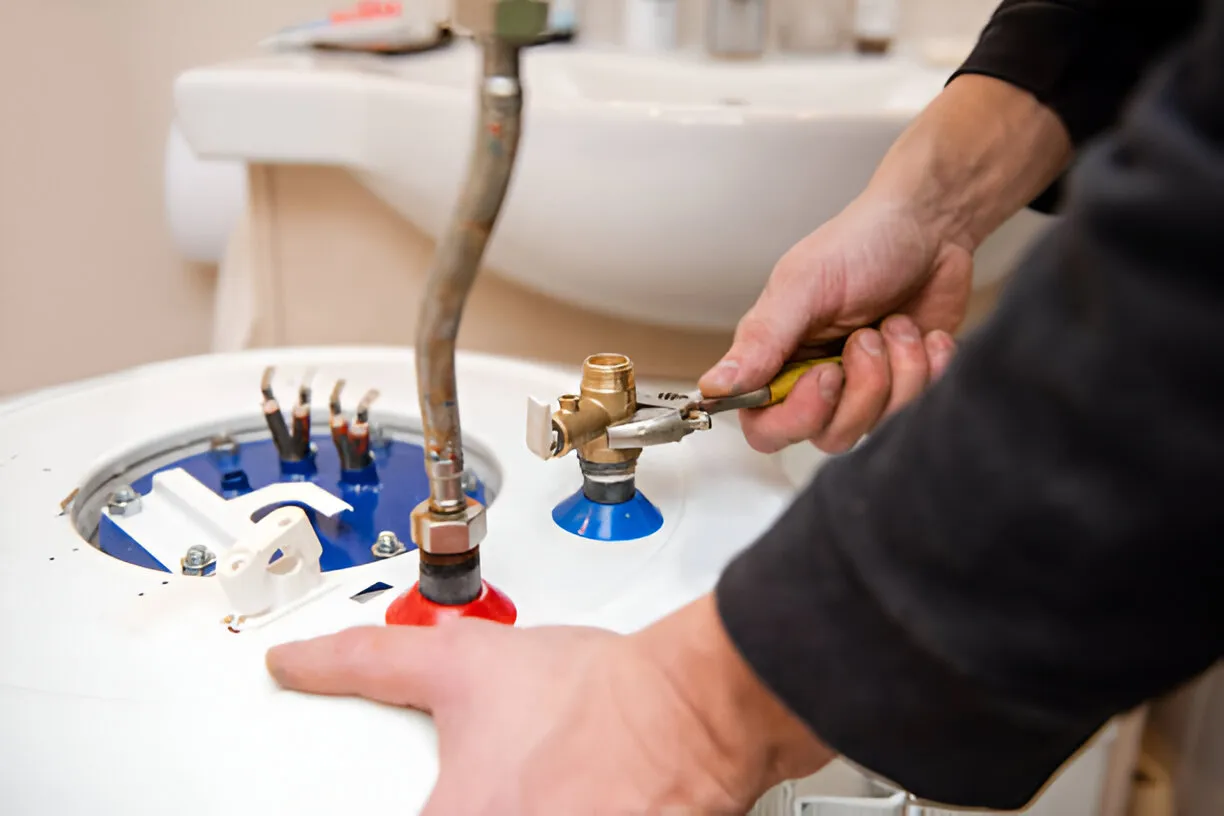
Why a proper heating installation matters in Reynoldsburg
Reynoldsburg experiences cold, often wet winters and fluctuating shoulder seasons that place variable demands on home heating systems. A correctly sized, well-installed system:
- Delivers consistent year-round comfort despite low temperatures
- Reduces energy bills by avoiding oversized or inefficient equipment
- Lowers repair frequency and extends equipment life
- Improves indoor air quality and safety (proper venting and combustion checks)
Local factors—like older homes with leaky ductwork, varied lot orientations, and a mix of natural gas and electric service—make an informed installation especially important in Reynoldsburg.
Common heating installation types and when they make sense
- Furnaces (gas or electric): Best for homes with existing ductwork. High-efficiency gas furnaces are common in Reynoldsburg for reliable cold-weather performance. Consider modulating or two-stage furnaces for improved comfort and efficiency.
- Heat pumps (air-source, including cold-climate models, and ductless mini-splits): Efficient for milder winter days and excellent when paired with supplemental systems. Cold-climate heat pumps perform well in central Ohio and can significantly reduce energy use.
- Boilers (condensing or traditional): Ideal for homes with hydronic radiators or in-floor radiant systems. Condensing boilers offer high efficiency and are a good upgrade for older boiler systems.
- Ductless split systems: Effective for room additions, older homes without ducts, or targeted zone heating.
What to expect during the heating installation process
- Initial home assessment
- Technicians review your home’s layout, existing distribution system (ducts or radiant), insulation levels, and occupancy patterns.
- They note any site constraints (basement space, chimney condition, utility access) that affect equipment placement.
2. Load calculations and sizing
- A heating load calculation (commonly a Manual J) determines the precise capacity required. This prevents problems from undersized systems (insufficient heat) and oversized systems (short cycling, higher bills).
- Distribution capacity (Manual D for ductwork) and equipment selection consider airflow, static pressure, and room-by-room needs.
3. Equipment selection
- Recommendations include efficiency ratings (AFUE for furnaces/boilers, HSPF/SEER for heat pumps), proper capacity, and features like variable-speed blowers or two-stage operation.
- Selection balances upfront cost, expected energy savings, and lifecycle reliability appropriate for Reynoldsburg’s climate.
4. Permits and code compliance
- Installations follow Ohio state mechanical codes and local Reynoldsburg building department requirements. Necessary permits, inspections, and combustion air or venting verifications are handled to ensure safety and legal compliance.
- Gas line connections, flue terminations, and electrical work meet local inspection standards.
5. Installation steps
- Site preparation and removal of old equipment
- Mechanical connections (gas, electric, refrigerant for heat pumps)
- Duct or piping modifications and insulation upgrades if required
- Secure mounting, venting, and clearances per code
- System startup and initial balancing
6. Warranty, documentation, and post-installation testing
- Manufacturers’ warranties and workmanship guarantees are documented. Installers should register equipment warranties on your behalf where possible.
- Post-installation tests include combustion analysis for gas appliances, refrigerant charge and pressures for heat pumps, airflow measurements, and thermal imaging to verify distribution.
- Thermostat programming, system orientation, and homeowner operation training are provided to ensure efficient, comfortable use.
Common installation challenges and how they’re addressed
- Improper sizing: Solved by conducting a Manual J load calculation rather than relying on rule-of-thumb sizing.
- Duct leakage or undersized ducts: Resolved with duct sealing, insulation, or duct redesign to improve airflow and balance.
- Vent and combustion air issues in older Reynoldsburg homes: Addressed by upgrading venting, adding intake air, or recommending sealed-combustion units where appropriate.
- Cold-climate performance of heat pumps: Managed by selecting certified cold-climate models and, when necessary, sizing backup heat appropriately.
Warranty, maintenance, and financing assistance
A complete heating installation includes clarity on both manufacturer warranties and installer workmanship guarantees. Post-install testing verifies system performance and supports warranty claims. Routine maintenance—annual tune-ups, filter changes, and combustion checks—protects warranty coverage and keeps efficiency high. Financing assistance is commonly available to help spread the cost of a high-efficiency upgrade, and many homeowners in Reynoldsburg pursue financing or energy-efficiency incentives to lower initial investment.
Benefits after a professional installation
- Lower monthly heating costs through higher-efficiency equipment and correct sizing
- Comfortable, even temperatures throughout the home
- Fewer emergency repairs and longer equipment life
- Safer operation with proper venting and combustion testing
- Improved indoor air quality through correctly sized filtration and ventilation
Maintenance tips to protect your investment
- Schedule annual tune-ups before winter to verify efficiency and safety
- Replace air filters regularly and keep vents unobstructed to maintain airflow
- Inspect ductwork and insulation in basements and attics—air leaks and poorly insulated ducts erode system performance in Reynoldsburg’s colder months
- Monitor for warning signs: frequent cycling, uneven heat, rising bills, or odd odors—these indicate adjustments or repairs may be needed
A professional heating installation in Reynoldsburg, OH starts with an accurate assessment and follows through with careful equipment selection, code-compliant installation, and thorough testing. Proper planning and maintenance ensure the system you choose delivers dependable warmth, efficiency, and peace of mind through Ohio winters.
Hot Deals & Cool Savings

.webp)
New Service Agreement Membership
.webp)
Any New Client Service
Next Service for Referring a New Client
New Service Agreement Membership
Any New Client Service
Next Service for Referring a New Client
.webp)
.webp)

Service Areas
