
Furnace Tune-Up in Reynoldsburg, OH
Furnace tune-up service in Reynoldsburg, OH boosts efficiency and comfort; schedule now for safer, more reliable heating this season.

Furnace Tune Up in Reynoldsburg, OH
A professional furnace tune up is the single most effective preventative step Reynoldsburg homeowners can take to keep heating bills down, improve comfort on cold Central Ohio nights, and avoid emergency repairs when temperatures drop. With cold winters and frequent temperature swings in Reynoldsburg, furnaces work hard for months on end. A thorough tune up addresses worn parts, hidden safety risks, and efficiency losses so your system runs reliably and economically through the heating season.
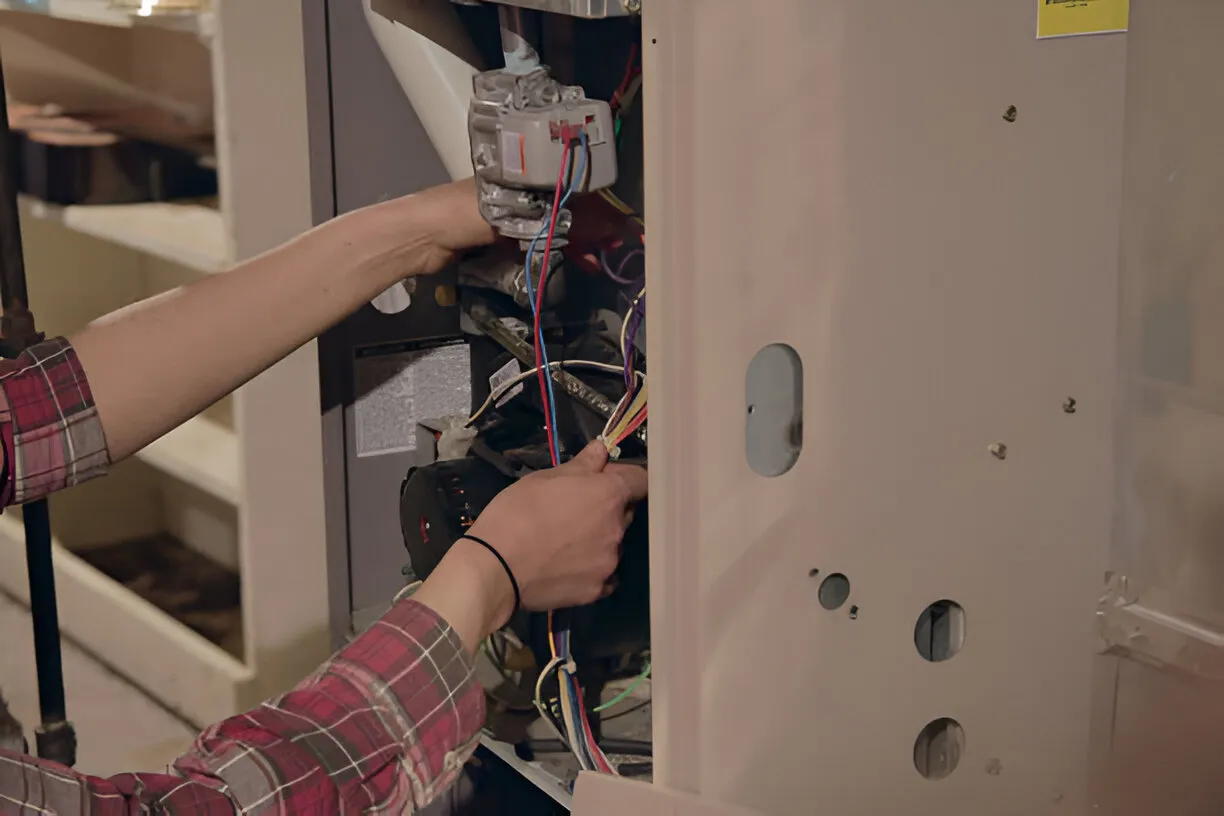
Common furnace problems in Reynoldsburg homes
- Dirty filters and restricted airflow causing uneven heat and higher energy use
- Weak or intermittent ignition, often noticed at seasonal startup after summer shutdown
- Noisy blower motors or bearings that need lubrication or replacement
- Cracked heat exchanger or venting issues that create safety concerns and carbon monoxide risk
- Thermostat drift or improper calibration leading to temperature swings and wasted cycles
- Reduced efficiency from dust on burners, flame sensors, or clogged burners
Understanding these issues helps explain why a tune up done before the first cold spell can prevent breakdowns and keep your home safer and more comfortable.
Furnace tune-up checklist (what a technician inspects and adjusts)
A complete furnace tune up covers cleaning, lubrication, calibration, and safety and efficiency checks. Typical checklist items include:
- Visual & operational inspection of the entire furnace cabinet, burner assembly, and venting to identify corrosion, leaks, or loose fittings
- Filter check and replacement recommendation to restore proper airflow and indoor air quality
- Burner cleaning and flame inspection to ensure a steady, clean combustion flame and correct fuel flow
- Ignition system and pilot/igniter test to verify reliable starts and consistent operation at each call for heat
- Flame sensor cleaning to prevent false shutoffs and unnecessary cycling
- Heat exchanger inspection for cracks or signs of failure that can cause dangerous combustion gas leaks
- Combustion venting and flue check to confirm safe exhaust of combustion gases and proper draft
- Blower motor and wheel cleaning and lubrication where applicable to restore airflow and reduce noise
- Belt and pulley inspection on older units with belt drives, adjusting or replacing as needed
- Electrical connections and controls check to tighten terminals and verify safe operation of relays and limit switches
- Thermostat calibration and control checks to make sure set temperatures match actual room temperatures and cycles are efficient
- Safety interlocks and limit switch tests to verify the system shuts down safely in unsafe conditions
- Efficiency and performance assessment including combustion analysis on gas-fired systems when available, and documenting estimated operating efficiency
- Condensate drain and secondary heat exchanger inspection on high-efficiency units to prevent blockages and corrosion
Technicians typically record findings and explain recommended repairs or adjustments in plain language, so you know which items matter most for safety and efficiency.
What to expect after a professional tune up
- Improved performance and steadier temperatures throughout your home
- Lower energy bills from smoother operation, correct airflow, and optimized combustion
- Reduced risk of emergency breakdowns because worn components are identified and addressed early
- Longer equipment life when bearings, belts, and electrical connections are cared for regularly
- Safer operation through heat exchanger and venting inspections that reduce the risk of combustion gas leaks
- Cleaner indoor air when filters and blower components are serviced
A typical tune up visit usually takes about 60 to 90 minutes, depending on the system’s age and condition. Technicians will document the work performed and note any parts that may require replacement in the near term.
Recommended frequency for tune ups in Reynoldsburg
- At least once a year, ideally in early fall before the heating season begins, to catch seasonal startup issues and to ensure safe operation through winter.
- Homes with older furnaces, heavy household use, pets, or residents with respiratory sensitivities may benefit from more frequent inspections or filter changes.
- If your system shows symptoms such as persistent cycling, unusual noises, higher than normal bills, or poor heat delivery, schedule service immediately rather than waiting for the annual appointment.
Given Reynoldsburg’s cold winters and the stress that long heating seasons place on equipment, annual preventive care is especially important here.
Membership and maintenance plans (what they typically include)
Maintenance plans are designed to make annual care simple and to protect households from unexpected costs. Typical plan benefits for local homeowners include:
- Scheduled seasonal tune ups to keep the furnace ready at the start of heating season
- Priority scheduling during peak cold snaps when many homeowners need emergency repairs
- Reduced labor rates or discounted pricing on covered service and repairs (details vary by provider)
- Documentation of service history that can help with warranty compliance and future equipment decisions
- Peace of mind from routine safety checks and professional inspections
Memberships are most valuable in areas like Reynoldsburg where prolonged cold spells and heavy system use increase the chance of mid-winter failures. Plans do not eliminate repairs, but they reduce the likelihood of urgent breakdowns and can lower long-term operating costs.
Signs you need a tune up now
- Faint or inconsistent pilot/ignition at startup after summer downtime
- Strange smells or increased dust when the furnace runs
- Noticeable increase in monthly heating costs with no change in thermostat setpoint
- Loud or new mechanical noises from the furnace cabinet or ductwork
- Frequent cycling on and off before the home reaches set temperature
- Any carbon monoxide detector alerts or symptoms like unexplained headaches or nausea
Addressing these signs promptly is critical for safety and to avoid more costly repairs later.
Maintenance tips between professional visits
- Replace or clean disposable filters monthly during heavy-use months and at least every 90 days otherwise
- Keep vents and returns unobstructed and clear away clutter near the furnace area
- Set a programmable or smart thermostat to reduce runtime when the house is unoccupied while minimizing short, frequent cycles
- Note and report any unusual sounds, odors, or performance changes; even small issues can grow into major problems in cold weather
Regular attention plus an annual professional tune up is the proven approach to reliable, efficient heating for Reynoldsburg homes.
Hot Deals & Cool Savings

.webp)
New Service Agreement Membership
.webp)
Any New Client Service
Next Service for Referring a New Client
New Service Agreement Membership
Any New Client Service
Next Service for Referring a New Client
.webp)
.webp)

Service Areas
