
Heating Repair in Harrisburg, OH
Professional heating repair in Harrisburg, OH: accurate diagnosis, fast fixes, and safety-focused service to restore comfort. Call now.

Heating Repair in Harrisburg, OH
Keeping your heating system reliable through central Ohio winters is essential for comfort and safety. Heating Repair in Harrisburg, OH covers diagnosis and repair of furnaces, boilers, and heat pump systems commonly found in local homes.
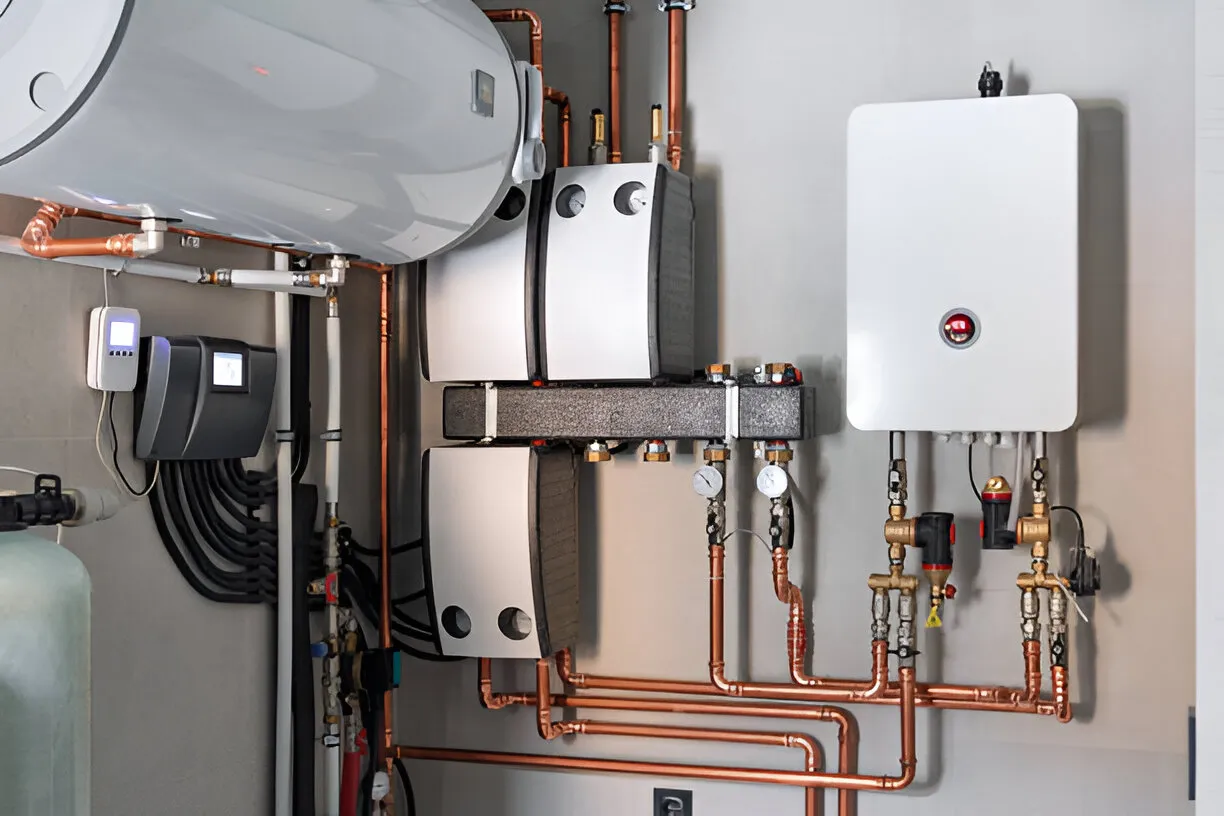
Why timely heating repair matters in Harrisburg, OH
Harrisburg sees cold winters with frequent below-freezing temperatures and occasional heavy snow. That increases run time and stress on older systems, and allows small issues to become larger failures quickly. Prompt repair reduces risk of breakdown on the coldest nights, improves efficiency, and protects indoor air quality and safety (for example, by addressing potential carbon monoxide risks from cracked heat exchangers).
Common heating failure symptoms in Harrisburg homes
- Furnace or boiler will not start or cycles on and off frequently (short cycling).
- Weak or uneven heat in rooms; colder upstairs or end-of-duct rooms.
- Unusual noises: banging, rattling, whistling, or persistent clicking.
- Rising utility bills without a change in thermostat settings.
- Pilot light is out or an intermittent spark/ignition problem.
- Strong gas, fuel oil, or burning smells (safety hazard).
- Frequent tripping of limit switches or safety controls.
- Visible rust, corrosion, or soot on burners or heat exchanger.
- Excessive dust, or dry/odd-smelling air—could indicate combustion or circulation issues.
Diagnostic procedures — what a thorough inspection includes
A professional heating repair diagnostic in Harrisburg typically follows a structured process to find root causes efficiently:
- Safety check: verify power, fuel supply (gas valve open), and carbon monoxide detectors.
- Visual inspection: check burners, flame characteristics, venting, condensate lines, and the heat exchanger for cracks or corrosion.
- Control and thermostat review: test thermostat calibration and control board signals.
- Electrical verification: measure voltages and continuity on motors, ignitors, and relays.
- Airflow and duct assessment: inspect filters, blower motor, fan belt, and duct leaks or obstructions.
- Combustion and efficiency testing (for gas and oil systems): observe flame pattern and test for proper venting and combustion byproducts when indicated.
- Functional run test: operate the system through a full heating cycle to observe behavior under load.
Each step isolates the likely cause so repairs target the problem, not the symptom.
Typical component repairs and what they involve
- Controls and control boards: Replacing failed relays, sensors, or the main control board restores reliable sequencing. Symptoms include unresponsive system or intermittent function. Repairs involve bench-testing and correct replacement to manufacturer specs.
- Burners and fuel delivery: Dirty or misaligned burners cause poor combustion, soot, or rough operation. Cleaning, realigning, or replacing burner assemblies and checking fuel lines fixes uneven flames and efficiency loss.
- Ignition systems and pilot assemblies: Hot surface ignitors, intermittent pilots, and flame sensors wear out. Replacement or cleaning of flame sensors and ignitors usually restores reliable ignition and prevents repeated lockouts.
- Heat exchangers: Cracked or corroded heat exchangers are a serious safety concern because they can leak combustion gases. If a crack is confirmed, the heat exchanger often needs replacement or, in older units, system replacement may be recommended. Tests include visual inspection and combustion gas analysis.
- Blower motors and belts: Weak airflow, noisy operation, or overheating often points to the blower motor, capacitor, or belt. Repairs range from motor replacement to capacitor swaps and cleaning blower assemblies.
- Thermostats and sensors: Miscalibrated or failing thermostats cause comfort issues. Recalibration or modern programmable/connected thermostat replacement improves control and efficiency.
- Vents and flues: Blocked or damaged venting causes poor combustion and safety risks. Clearing obstructions and repairing flue sections restores safe operation.
Expected repair timelines and what to expect
- Minor repairs (filters, flame sensors, capacitors, thermostat recalibration): often completed within 1 to 2 hours during a single visit.
- Moderate repairs (ignitor replacement, burner cleaning, blower motor swap): typically completed within a half day to a full day depending on parts availability.
- Major repairs (heat exchanger replacement, full system component replacement): may require scheduling and can take 1 to several days for parts ordering and installation.
Technicians in the area commonly carry a wide range of OEM parts to reduce delays, but older or specialized systems can require longer lead times.
Emergency response and safety guidance
In Harrisburg winters, emergency heating failures can present safety concerns. Emergency response availability is often prioritized for no-heat calls, gas smells, or suspected carbon monoxide events. If you smell gas, evacuate the home, avoid operating electrical switches, and follow local safety procedures; ensure carbon monoxide detectors are functioning. For no-heat situations in extreme cold, prioritize quick diagnostics to prevent frozen pipes and other cold-related damage. During emergency calls, expect a focused safety assessment followed by temporary measures (like safe restart or heat source recommendations) until permanent repairs can be completed.
Preventive tips to reduce future breakdowns in Harrisburg
- Schedule annual heating tune-ups before the first cold snap to catch wear and calibration issues.
- Replace filters regularly—monthly to quarterly depending on filter type and household conditions. Clean filters improve airflow and reduce stress on blowers.
- Keep vents and registers unobstructed and confirm dampers are balanced for even heating.
- Maintain clear combustion air intake and exhaust terminations outdoors—remove snow and debris in winter.
- Install and test carbon monoxide detectors on every level; replace batteries twice a year.
- Address humidity and insulation issues in attics and basements to reduce system run time and heat loss.
- Enroll in a maintenance plan if available—regular inspections extend equipment life and reduce emergency repairs.
Benefits of prompt, professional heating repair
Timely and accurate Heating Repair in Harrisburg, OH restores comfort, improves system efficiency, and reduces the chance of unsafe conditions. Professional diagnostics target root causes, preventing repeated service calls and protecting household safety during central Ohio cold. Regular care and attention help older systems perform reliably while you evaluate long-term replacement options.
This information is designed to help Harrisburg homeowners understand common heating problems, the diagnostic process, and realistic expectations for repair timelines so you can make informed decisions about your home heating system.
Hot Deals & Cool Savings

.webp)
New Service Agreement Membership
.webp)
Any New Client Service
Next Service for Referring a New Client
New Service Agreement Membership
Any New Client Service
Next Service for Referring a New Client
.webp)
.webp)

Service Areas
