
Furnace Tune-Up in Harrisburg, OH
Furnace tune ups in Harrisburg, OH ensure safe, efficient heat. Schedule service today for inspection, cleaning, and safe testing.

Furnace Tune Up in Harrisburg, OH
A professional furnace tune up in Harrisburg, OH is the single most effective preventive step homeowners can take to keep winter heating reliable, efficient, and safe. Central Ohio winters bring extended cold snaps and heavy run-times for gas and electric furnaces. That extra stress exposes worn components, clogged filters, and combustion problems that cause breakdowns, higher energy bills, and safety risks like carbon monoxide. A thorough tune up targets those issues before they become emergency repairs.
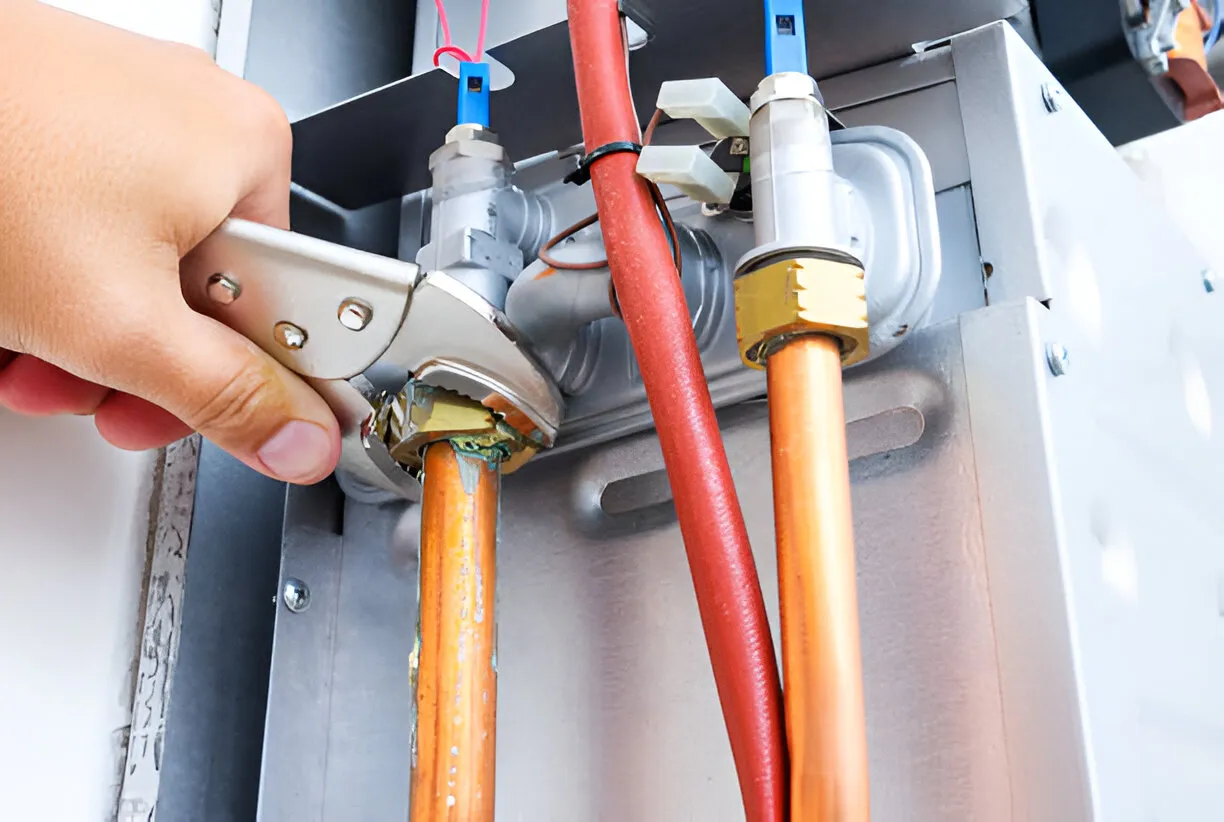
Common furnace problems in Harrisburg, OH homes
- Clogged or dirty filters restricting airflow and forcing the blower to work harder.
- Sooty or dirty burners and a misaligned flame causing poor combustion and lower efficiency.
- Faulty ignition or flame sensing systems that create intermittent starts or lockouts.
- Worn blower motors, belts, or bearings leading to noisy operation and reduced airflow.
- Cracked heat exchangers or venting obstructions that raise carbon monoxide risk.
- Thermostat calibration drift causing uneven temperatures and short cycling.
- Poor duct connections and insulation losses in older Harrisburg homes that lower system effectiveness.
Addressing these typical local issues during a tune up reduces the chance of freezing nights without heat and helps households control winter energy use.
What a furnace tune up package includes
A complete tune up is both inspection and preventive service. The core tasks your technician should perform include:
- Visual inspection of the furnace cabinet, burners, heat exchanger, and venting.
- Air filter check and replacement recommendation (or replacement if included).
- Cleaning burners, ignition components, and pilot assemblies or electronic igniters.
- Cleaning and inspecting the blower wheel and motor; lubricating bearings where applicable.
- Tightening electrical connections and checking voltages/amps.
- Inspecting and testing safety controls such as limit switches and rollout sensors.
- Combustion analysis and carbon monoxide testing at the flue to confirm safe operation.
- Flue draft test to ensure proper venting and no backdrafting.
- Checking thermostat operation and recalibrating or recommending upgrades.
- Inspecting condensate drain/trap and secondary drain for high-efficiency (condensing) furnaces.
- Measuring system airflow and static pressure where possible and recommending duct or filter improvements.
- Written report of findings with prioritized maintenance or repair recommendations.
These steps combine cleaning and mechanical adjustments with safety testing so you leave the tune up confident your furnace is ready for seasonal demand.
Combustion and safety testing explained
For gas-fired furnaces common in the Harrisburg area, controlled combustion testing is critical. Technicians use a combustion analyzer to measure oxygen, carbon dioxide, and carbon monoxide in the flue gases. Those readings reveal:
- Whether burners are operating efficiently.
- If the heat exchanger is compromised (elevated CO can indicate leaks).
- Whether venting and draft are correct to prevent exhaust gases from entering the home.
Safety tests also include checking the heat exchanger for visible cracks, verifying proper operation of limit switches and pressure or rollout switches, and scanning for gas leaks. Because carbon monoxide is colorless and odorless, these tests are the primary defense against a dangerous problem that increases during long continuous operation in cold months.
Efficiency adjustments and expected results
A tune up often includes adjustments that restore or improve system efficiency, such as tightening electrical connections, adjusting burner set points, and optimizing blower speed and airflow. Homeowners in Harrisburg typically notice:
- Improved reliability with fewer mid-winter breakdowns.
- Lower energy use; many homes see a noticeable reduction in heating costs after a thorough tune up (results vary by system age and condition).
- More even indoor temperatures and fewer short-cycling events.
- Quieter furnace operation and reduced vibration noise.
- Improved indoor air quality when filters and blower components are cleaned or replaced.
While results depend on the furnace age and pre-existing condition, timely tune ups slow equipment degradation and can delay costly premature replacements.
Recommended timing and frequency for Harrisburg homeowners
- Schedule the tune up in late summer or early fall (September to early October) so your furnace is inspected and ready before sustained cold weather begins.
- An annual tune up is standard for most households. If your furnace is older than 15 years, has had recent problems, or runs constantly during extended cold snaps, consider semiannual checks or adding a winter mid-season inspection.
- For homes on a maintenance plan, coordinate furnace tune ups with your cooling system service so you get comprehensive coverage year-round.
Early-season scheduling avoids the busiest service windows and helps catch worn parts before they fail under peak demand.
How a tune up fits into a broader maintenance plan
A single tune up is valuable, but it’s most effective when part of an ongoing maintenance strategy. A typical maintenance plan combines seasonal inspections, priority service, discount on repairs, and recordkeeping that:
- Extends equipment life by addressing wear and tear proactively.
- Maintains consistent system efficiency through scheduled adjustments.
- Keeps warranty requirements up to date (many manufacturers require regular service).
- Creates a service history that helps technicians diagnose recurring issues faster.
Integrating furnace tune ups with annual AC checks, duct evaluations, and filter replacement schedules makes whole-home comfort more reliable and predictable.
What to expect during the visit
A professional furnace tune up usually takes 45 to 90 minutes depending on system complexity and condition. Expect the technician to perform tests and cleanings, explain any problems in plain language, and leave a concise service report with recommended next steps. If a repair is necessary, the report should prioritize safety items first and list efficiency or comfort improvements second.
Final notes on value and risk of delay
Skipping an annual tune up increases the chance of a mid-winter failure, higher utility bills, and a safety hazard from undetected combustion issues. For Harrisburg households facing long cold periods, a pre-season furnace tune up is a practical investment that improves comfort, reduces surprise expenses, and protects your family from avoidable risks. Regular maintenance keeps your heating system working the way it was designed to — efficiently, reliably, and safely.
Hot Deals & Cool Savings

.webp)
New Service Agreement Membership
.webp)
Any New Client Service
Next Service for Referring a New Client
New Service Agreement Membership
Any New Client Service
Next Service for Referring a New Client
.webp)
.webp)

Service Areas
