
Furnace Installation in Harrisburg, OH
Furnace installation in Harrisburg, OH: precise load calculations, model selection, ductwork upgrades, and code-compliant installation. Schedule your service today.

Furnace Installation in Harrisburg, OH
Replacing or installing a new furnace is one of the most important home investments for homeowners in Harrisburg, OH. With cold Ohio winters, aging systems, and rising energy costs, a properly sized, code-compliant furnace keeps your home safe, comfortable, and efficient.
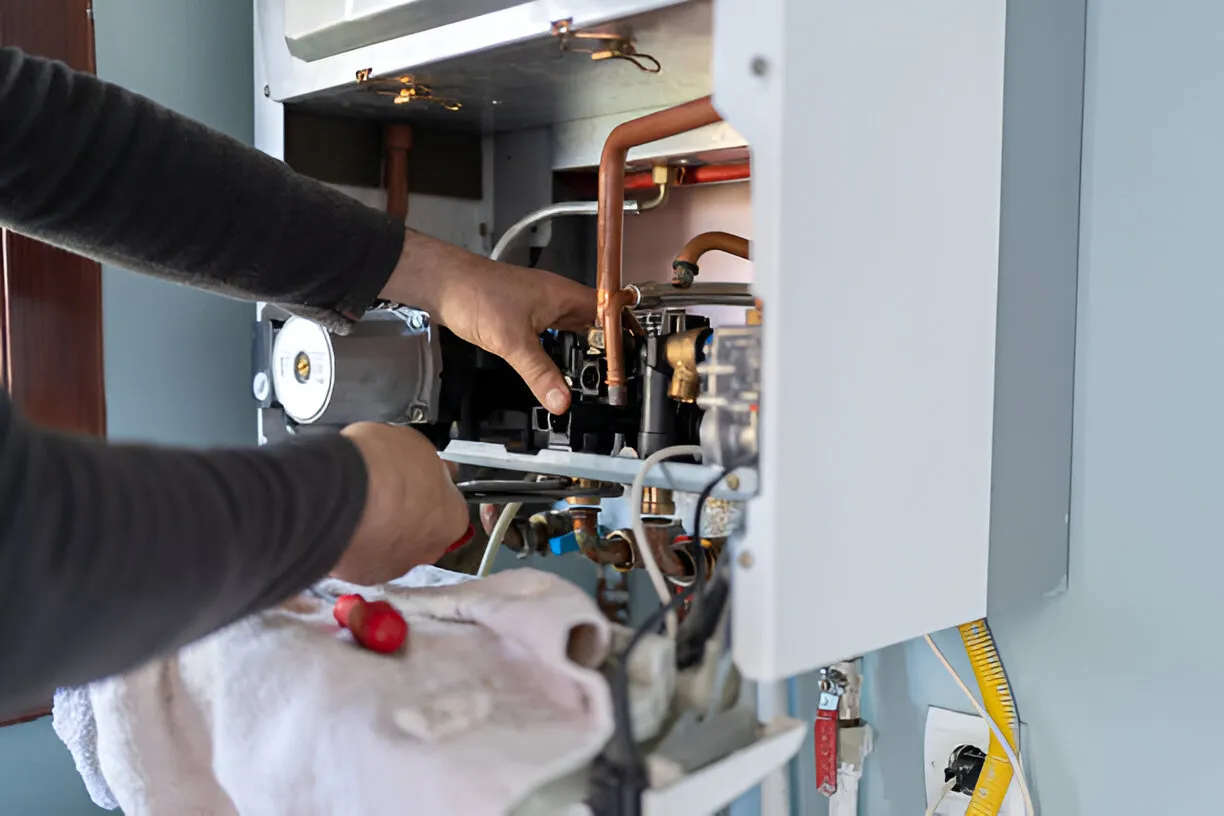
Common furnace installation scenarios in Harrisburg, OH
- Aging or failed furnace replacement — older units losing efficiency or failing frequently during winter.
- Right-sizing for comfort and efficiency — existing systems oversized or undersized for renovated homes or added living space.
- Upgrading to high-efficiency models — switching from low-AFUE to high-AFUE furnaces to lower heating bills.
- Fuel conversions and system changes — switching from electric or oil to natural gas where available, or adding a heat pump hybrid.
- Ductwork improvements during replacement — correcting leaks, poor insulation, or airflow problems discovered during assessment.
Site assessment and load calculations: the first critical step
A thorough site assessment in Harrisburg homes starts with a room-by-room load calculation to determine the correct furnace size. This goes beyond square footage: technicians account for insulation levels, window types, ceiling heights, air infiltration, and recent renovations. Proper sizing using industry-standard methods prevents common problems like short-cycling, uneven comfort, and premature component wear.
Assessment also reviews:
- Existing fuel type and availability (natural gas is common in many central Ohio neighborhoods).
- Venting paths and combustion air needs for safe operation in cold weather.
- Basement, crawlspace, or attic access that affects installation logistics.
Model selection and energy-efficiency considerations
Choosing the right furnace model for a Harrisburg home balances upfront cost, expected energy savings, and long-term reliability. Key factors include:
- AFUE (Annual Fuel Utilization Efficiency) — higher AFUE ratings deliver better fuel-to-heat conversion. In chilly Ohio winters, a higher AFUE can significantly reduce heating bills.
- Staging and modulation — two-stage and modulating furnaces vary output to match demand, improving comfort and lowering cycling losses.
- Variable-speed blowers — improve airflow control, humidity management, and efficiency.
- Compatibility with thermostats and controls — smart thermostats and zoning systems pair differently with furnace control boards and blowers.
- Right fuel type — natural gas, propane, or electric options are selected based on availability, cost trends, and retrofit feasibility.
Selecting the correctly sized, high-efficiency model tailored to your home prevents wasted energy and ensures reliable performance during Harrisburg’s cold months.
Ductwork evaluation and necessary upgrades
Ductwork often determines the real-world performance of a new furnace. During installation prep, an evaluation will identify:
- Leaks and disconnected ducts that cause heat loss into unconditioned spaces.
- Undersized or poorly configured runs that create high static pressure and reduced airflow.
- Lack of proper insulation around ducts in unheated basements or crawlspaces.
- Opportunities for zoning or dampers to improve comfort across multiple rooms.
Addressing duct issues at the time of furnace installation avoids repeat service calls and maximizes the new system’s efficiency.
Professional installation steps
A professional furnace installation typically follows these steps:
- Pre-install planning: confirm load calculation, model selection, permit needs, and logistics for access.
- Old equipment removal: safe disconnect and removal of existing furnace, flue, and controls.
- Duct and vent modifications: any required duct repairs, new plenum installation, and vent or chimney upgrades.
- Mechanical and gas connections: install new gas line components and combustion air as needed per code.
- Electrical hookup and controls: wiring, thermostat integration, and control system setup.
- Sealing and insulation: seal duct connections and insulate where necessary.
- Startup and adjustments: configure system for correct airflow, burner settings, and safety controls.
Each step is done to manufacturer specifications to protect performance and warranty coverage.
Code compliance, permitting, and inspections
New furnace installations in Harrisburg must meet local code and permitting requirements. Typical compliance items include safe venting, combustion air provisions, gas line installation standards, and carbon monoxide safety measures. Permits and inspections ensure installations meet Ohio building and mechanical codes and that safety testing is completed before the system is put into regular use.
Commissioning and testing
Commissioning verifies your new furnace is operating as intended. Tests performed at startup include:
- Combustion analysis and CO levels for safe burner operation.
- Static pressure and airflow checks to confirm proper distribution.
- Thermostat calibration and control checks.
- Verification that flue and venting are drafting correctly.
- Walk-through to explain system operation, filters, and recommended maintenance.
This testing provides assurance that the installation delivers rated efficiency and safe operation in Harrisburg’s climate.
Warranty details and financing options
New furnaces come with two important warranty layers: the manufacturer’s unit warranty and the installer’s labor warranty. Manufacturer warranties vary by model and often require product registration and documented professional installation. Labor warranties cover the workmanship of the installation team and are essential for peace of mind.
Financing options for furnace installation are commonly available for homeowners balancing budget and long-term savings. High-efficiency models may also qualify for utility rebates or state incentives, which can improve payback on the investment.
Why timely furnace installation matters in Harrisburg
Installing a new furnace before the peak cold season prevents emergency failures, reduces energy costs, and improves indoor comfort. A properly sized, efficient system also contributes to better indoor air quality and can increase home resale value — important considerations for homeowners in the Harrisburg and greater Columbus area.
Ongoing care and maintenance
To preserve efficiency and warranty coverage, routine maintenance is essential. Annual tune-ups, seasonal filter changes, and periodic duct inspections extend equipment life and keep performance consistent through Ohio winters. A maintenance plan that includes prioritized service during heating season reduces the risk of unexpected breakdowns.
Hot Deals & Cool Savings

.webp)
New Service Agreement Membership
.webp)
Any New Client Service
Next Service for Referring a New Client
New Service Agreement Membership
Any New Client Service
Next Service for Referring a New Client
.webp)
.webp)

Service Areas
