
Heating Installation in Harrisburg, OH
Heating installation in Harrisburg, OH. Get precise sizing, safe venting, and reliable performance. Schedule installation today.

Heating Installation in Harrisburg, OH
Replacing or installing a new heating system is one of the most important investments you can make in your Harrisburg, OH home. With central Ohio winters that bring prolonged cold, fluctuating temperatures, and occasional heavy snow, a properly sized and installed heating system keeps your living spaces comfortable, reduces energy waste, and protects indoor air quality.
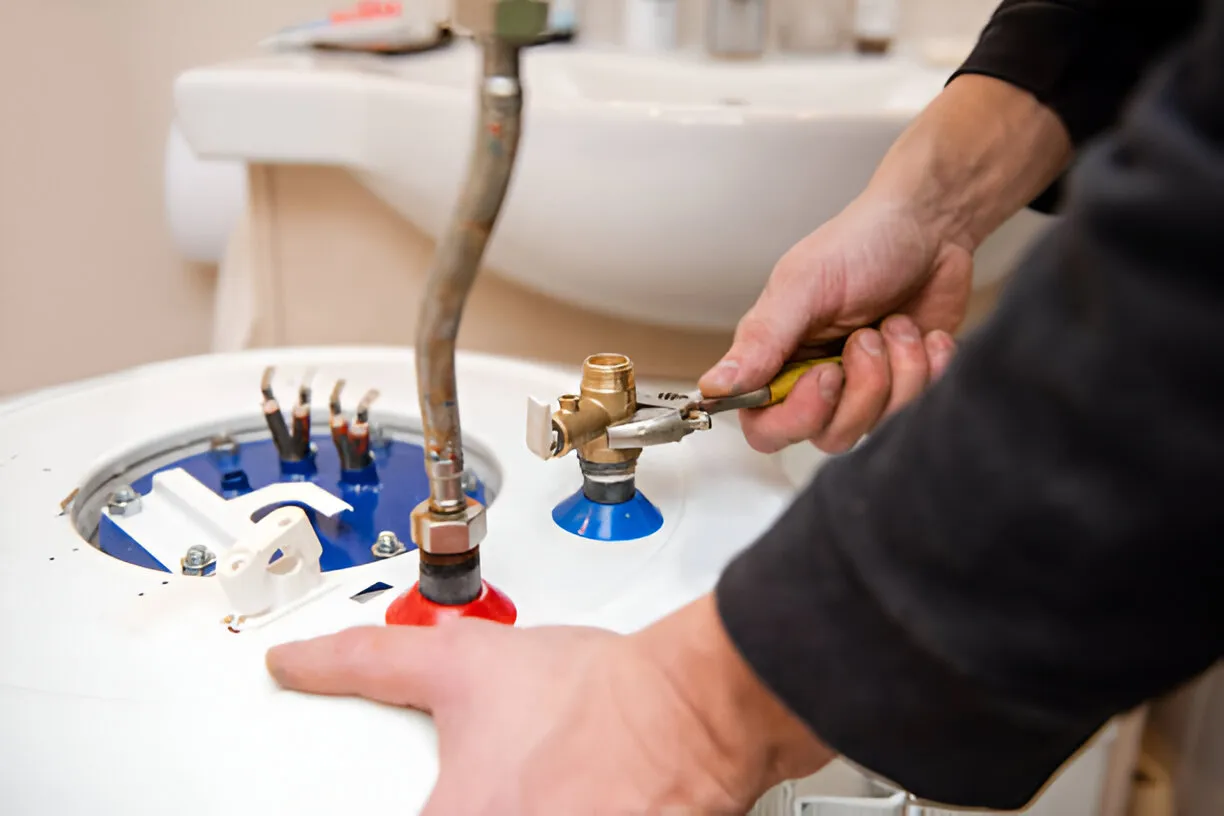
Why a professional heating installation matters in Harrisburg, OH
Homes in Harrisburg often vary in age and construction type, from older brick and farmhouses to newer suburban builds. That variety affects heat loss, duct layout, and equipment location. A professional installation tailored to your home ensures:
- Accurate sizing so your system runs efficiently and lasts longer
- Proper venting and combustion air for safety in gas systems
- Correct ductwork and airflow for even room temperatures
- Compliance with Ohio and local building codes to avoid inspection problems
Common heating needs and system types for Harrisburg homes
Typical heating installation requests we see in Harrisburg include replacements for failing furnaces, upgrades to high-efficiency boilers, and conversions to heat pumps for improved efficiency. Common options include:
- Furnaces (gas or electric)
- Pros: Reliable, high heat output for cold winters
- Cons: Natural gas furnaces need proper venting and regular maintenance
- Boilers (hot water or steam)
- Pros: Comfortable radiant heat and compatibility with older hydronic systems
- Cons: May require more space and periodic flushing
- Heat pumps (air-source or ductless mini-split)
- Pros: Highly efficient, can provide heating and cooling; modern cold-climate heat pumps perform well in Central Ohio
- Cons: Less effective in extreme cold unless sized and installed correctly
- Hybrid systems
- Pros: Combine a heat pump with a gas furnace for both efficiency and backup heat
Site assessment and accurate load calculations
A reliable installation starts with a site assessment and load calculation. Technicians perform a Manual J style calculation to determine your home’s heating needs based on:
- Square footage and ceiling height
- Insulation levels and window types
- Air infiltration and building orientation
- Local climate factors for Harrisburg, OH
These calculations avoid undersizing (which can lead to short cycling and discomfort) and oversizing (which reduces efficiency and increases wear). The result is the correct capacity and equipment recommendation that matches your home.
Equipment selection and sizing
Equipment selection considers efficiency ratings, fuel type availability, and lifestyle preferences. Key selection factors include:
- Annual Fuel Utilization Efficiency (AFUE) for furnaces and boilers
- HSPF and SEER ratings for heat pumps
- Physical footprint and access for replacement or new installs
- Compatibility with existing ductwork, zoning, or hydronic systems
Technicians will explain pros and cons of models and how efficiency gains translate to operating cost savings in Harrisburg’s heating season.
Ductwork considerations and modifications
Ductwork is often the hidden cause of poor heating performance. Common duct issues in Harrisburg homes:
- Undersized or poorly sealed ducts leading to heat loss
- Inadequate return-air pathways causing pressure imbalances
- Lack of insulation in unconditioned crawlspaces or attics
During installation, expect:
- Duct sizing and static pressure checks
- Sealing of joints with mastic or mechanical fasteners
- Insulation upgrades for ducts in unheated spaces
- Recommendations for zoning dampers or additional returns where needed
Professional installation steps
A professional heating installation typically follows this sequence:
- Pre-install planning: site assessment, load calculations, and parts ordering
- Permitting: submitting plans to the local jurisdiction and securing mechanical permits
- Removal and preparation: safe removal of old equipment, disposal, and work area protection
- Equipment installation: mounting, venting or flue connection, piping or refrigerant lines, and electrical hookups
- Ductwork and distribution work: installing or modifying ducts, registers, and returns
- Controls setup: installing and programming thermostats or zoning controls
- System charging and start up: adding refrigerant where applicable and powering the system for initial operation
- Commissioning and cleanup: balancing airflow, verifying safety systems, and leaving the work area clean
Each step follows industry best practices and local code requirements to ensure safety and performance.
Permitting, code compliance, and safety checks
Heating installations in Harrisburg must conform to Ohio mechanical and building codes and local inspection requirements. Typical compliance items include:
- Mechanical permits for furnace, boiler, or heat pump installations
- Proper flue sizing and vent clearances for gas-fired equipment
- Combustion air provisions in tight homes
- Carbon monoxide alarm placement and operation checks
- Electrical permits and correct wiring methods
Inspections by local authorities protect occupants and ensure the system is installed according to current standards.
Post-install testing and commissioning
After installation, technicians perform a series of tests to verify performance:
- Combustion efficiency and AFUE verification for gas appliances
- Carbon monoxide testing to ensure safe venting
- Static pressure and airflow measurement to confirm duct performance
- Thermostat calibration and zone checks
- Leak checks for fuel lines, refrigerant, and hydronic piping
A complete commissioning report documents these results and provides baseline operating numbers for future maintenance.
Warranty coverage and what to expect
Heating installations usually come with two warranty components:
- Manufacturer warranty: covers defects in the equipment, typically varying by model and part
- Labor warranty: covers workmanship for a specified period after installation
To maintain warranty validity, manufacturers commonly require professional installation and routine maintenance. Keep registration paperwork, proof of installation, and maintenance records in case warranty service is needed.
Financing options and incentives
Many homeowners in Harrisburg finance heating installations to spread cost over time. Typical options include:
- Flexible financing plans with monthly payments
- Energy-efficient equipment incentives from utilities or state programs
- Possible tax credits or rebates for high-efficiency systems
When evaluating financing, compare interest rates, term lengths, and any required down payments. Energy savings from high-efficiency equipment often offset monthly payments over the equipment lifetime.
Maintenance and long-term benefits
Regular maintenance extends the life of your heating system, sustains efficiency, and preserves warranties. Recommended activities include annual tune ups, filter replacements, combustion and CO testing, and duct inspections. Properly installed systems deliver:
- More consistent indoor comfort during central Ohio winters
- Lower utility bills through improved efficiency
- Reduced emergency repairs and longer equipment life
- Safer operation with proper venting and CO mitigation
A correctly planned and executed heating installation tailored for Harrisburg, OH homes addresses local climate demands, code requirements, and the specific layout of your house. The right equipment, professional workmanship, and ongoing maintenance combine to provide dependable warmth, safety, and cost efficiency for years to come.
Hot Deals & Cool Savings

.webp)
New Service Agreement Membership
.webp)
Any New Client Service
Next Service for Referring a New Client
New Service Agreement Membership
Any New Client Service
Next Service for Referring a New Client
.webp)
.webp)

Service Areas
