
Furnace Service in Harrisburg, OH
Furnace service in Harrisburg, OH ensures safe, efficient heating this season. Learn more and schedule expert maintenance today.

Furnace Service in Harrisburg, OH
Keeping your furnace running reliably through Harrisburg winters is essential for safety, comfort, and energy efficiency. Whether your home has an older gas furnace or a newer high-efficiency model, comprehensive furnace service in Harrisburg, OH addresses the common problems local homeowners face after humid summers and cold, snowy winters.
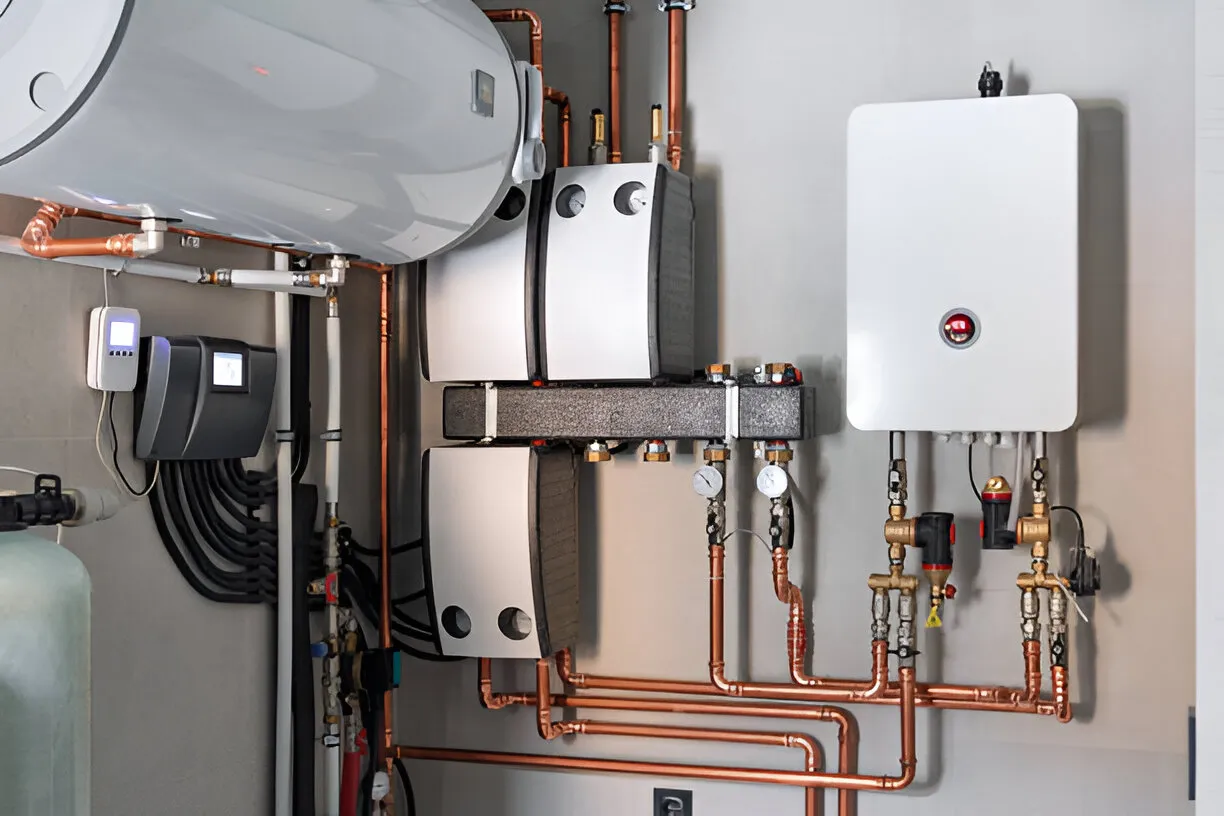
Why timely furnace service matters in Harrisburg, OH
Harrisburg and surrounding central Ohio communities experience long heating seasons, freeze-thaw cycles, and occasional heavy snowfall. Those conditions increase heating system runtime, stress components like heat exchangers and blower motors, and can magnify issues caused by clogged filters or marginal venting. Regular service reduces breakdown risk, improves comfort on frigid nights, lowers energy bills, and protects indoor air quality.
Common furnace service types and issues in Harrisburg, OH
- Diagnostic visits for intermittent heating, unusual noises, or cycling problems
- Routine servicing and winter tune-ups to restore peak performance
- Emergency furnace repairs for complete failures, gas safety issues, or loss of heat in extreme weather
- Performance tune-ups focused on efficiency: combustion optimization, airflow balancing, thermostat calibration
- Component replacements: ignitors, blower motors, control boards, burners, and thermostats
- Safety inspections: carbon monoxide checks, venting and flue integrity, heat exchanger inspection
Common causes for service calls locally include dirty filters after high pollen and summer dust, blocked vents or ducts, pilot/ignition failures on older units, and wear on moving parts from extended run times during cold spells.
What to expect during a diagnostic visit
A professional diagnostic is methodical and focused on root causes, not temporary fixes. Typical steps include:
- Visual and operational check: system startup, thermostat call, and observation of cycling behavior
- Safety inspection: carbon monoxide and combustion gas checks, flue and vent condition, and heat exchanger assessment for cracks or corrosion
- Electrical and control tests: verifying wiring, control board status, and limit switches
- Ignition and fuel delivery: testing pilot assemblies, electronic ignitors, gas pressure (if applicable), and burner operation
- Airflow and distribution: checking blower motor function, filter condition, and basic duct restrictions
- Documentation and recommendations: clear explanation of findings, prioritization of repairs vs. maintenance, and an estimate of expected lifespan or replacement needs
Technicians will explain the problem in plain terms, outline safety risks (if any), and present options for repair, tune-up, or replacement.
Typical repairs and solutions explained simply
- Ignition and pilot repairs: replacing worn ignitors or repairing pilot assemblies restores reliable start-up.
- Blower motor and capacitor replacement: fixes weak airflow and noisy operation that cause uneven heating.
- Control board and sensor repairs: addresses random shutoffs or error-code behavior.
- Heat exchanger evaluation and repair: if cracked, the heat exchanger often requires replacement to eliminate carbon monoxide risk.
- Venting and flue repairs: clearing blockages, repairing seams, and ensuring proper termination protect combustion safety and efficiency.
- Ductwork and airflow corrections: simple vent balancing, filter replacement, and duct sealing improve comfort and lower run times.
Each repair balances short-term fixes with long-term value—technicians should clarify which solutions restore safe operation now and which extend equipment life.
Recommended maintenance schedule for Harrisburg homes
- Monthly: inspect and change disposable filters or clean reusable filters during high-use months.
- Annually (before heating season): full furnace tune-up including cleaning burners, lubricating motors, testing safety controls, calibrating thermostat, and combustion analysis for gas units. Fall scheduling is ideal before sustained cold.
- Every 3–5 years: inspect heat exchanger and major components more thoroughly; consider blower motor overhaul or advanced cleaning if runtime is high.
- 10–15 years: evaluate replacement options for aging furnaces, especially if repair frequency or energy bills are rising.
A documented annual tune-up typically yields better efficiency, fewer emergency calls in extreme cold, and helps preserve any existing equipment warranties.
Technician qualifications and standards
Look for technicians who are licensed, insured, and who maintain up-to-date factory or industry certifications. Relevant qualifications commonly include:
- State HVAC/Heating contractor licensing and liability insurance
- Ongoing factory training or manufacturer certification for specific furnace brands and models
- Industry certifications such as NATE or equivalent professional development credentials
- Background-checked personnel with clear safety and customer-service protocols
Qualified technicians also follow code-compliant practices for gas line work, combustion testing, and carbon monoxide mitigation.
Service guarantees and safety commitments
Professional furnace service typically includes:
- Clear, written estimates and prioritized repair options
- Workmanship guarantees on labor for a defined period
- Parts warranties consistent with manufacturer coverage or aftermarket parts policies
- Safety verification after repairs, including combustion testing and carbon monoxide checks where applicable
- Clean-up and proper disposal of replaced components
These assurances reduce risk and ensure the system returns to safe and efficient operation.
Scheduling and emergency response options
Scheduling for furnace service in Harrisburg commonly includes online appointment booking, email requests, or membership-based maintenance plans that provide scheduled tune-ups and priority dispatch. Emergency repair protocols are designed to assess safety risks first (no-heat in freezing temperatures or suspected gas/CO issues) and arrange timely technician dispatch or temporary safe-operation measures while permanent repairs are planned. Expect clear appointment windows, technician arrival confirmations, and written work summaries after service.
Final notes on choosing furnace service in Harrisburg, OH
For Harrisburg homeowners, consistent, professional furnace service reduces the chance of cold-night failures and keeps heating costs under control through Ohio’s long winters. Prioritize licensed technicians who perform comprehensive diagnostics, follow safety-first practices, and provide transparent documentation and guarantees. Regular preventive service and an annual pre-winter tune-up are the most effective ways to protect household comfort and safety.
Hot Deals & Cool Savings

.webp)
New Service Agreement Membership
.webp)
Any New Client Service
Next Service for Referring a New Client
New Service Agreement Membership
Any New Client Service
Next Service for Referring a New Client
.webp)
.webp)

Service Areas
