
Boiler Tune-Up in Lancaster, OH
Boiler tune up service in Lancaster, OH improves efficiency, safety, and reliability. Schedule annual maintenance to prevent mid-winter breakdowns.

Boiler Tune Up in Lancaster, OH
A professional boiler tune up in Lancaster, OH keeps your heating system running safely, efficiently, and reliably through cold winters and humid summers. In older Lancaster homes and newer builds alike, regular tune ups reduce fuel use, extend equipment life, and prevent the mid-winter breakdowns that are most disruptive and costly. Below is a clear, expert breakdown of what a comprehensive boiler tune up includes, why it matters for Lancaster properties, common issues we diagnose, how long a tune up takes, recommended frequency, and how tune ups fit into a complete home heating maintenance plan.
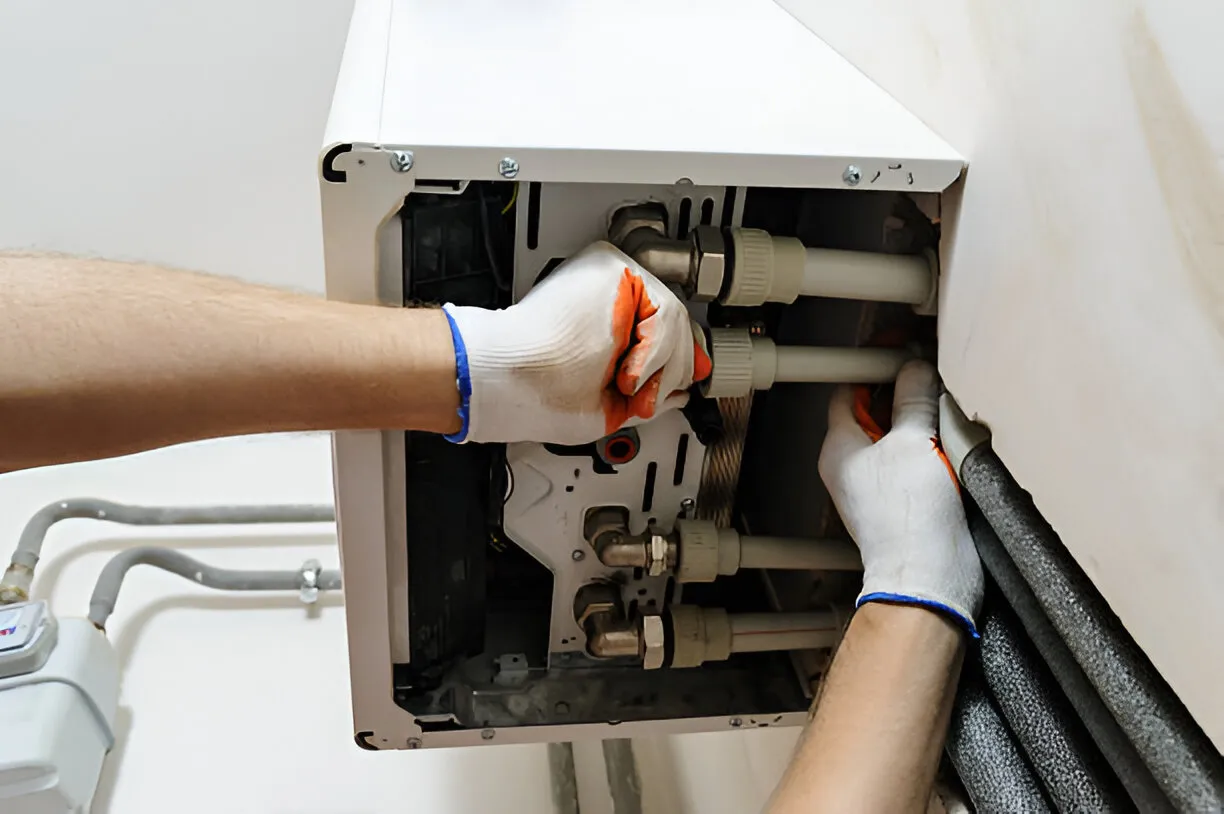
What a full boiler tune up in Lancaster includes
A thorough tune up covers combustion, safety, controls, combustion byproducts, moving parts, and basic system checks. Typical tasks performed:
- Cleaning burners and combustion chamber: Remove soot, deposits, and dust that reduce heat transfer and lead to inefficient burning.
- Cleaning the heat exchanger: Improve heat transfer and reduce fuel consumption by clearing scale and soot buildup.
- Adjusting combustion: Fine-tune air-to-fuel ratio and burner settings to ensure efficient, clean combustion and correct flue gas readings.
- Checking controls and safety devices: Test limit switches, pressure controls, low-water cutoffs, and flame sensors to ensure the boiler will shut down safely if a fault develops.
- Testing and calibrating thermostats and differential settings: Confirm proper temperature response and zone operation so you’re not heating empty areas.
- Inspecting and lubricating moving parts: Oil pumps and circulating motor bearings as needed to reduce wear and noise.
- Testing pressure and expansion components: Verify system pressure, inspect expansion tanks or vessels, and look for signs of leaks.
- Inspecting venting and flue: Ensure proper draft, no blockages, and that vent piping and chimney conditions meet safety expectations.
- Combustion and CO testing: Measure carbon monoxide and draft levels to confirm safe combustion and proper venting.
- Documenting condition and recommendations: Provide a clear assessment of current condition and any parts likely to require attention soon.
Why tune ups are essential for Lancaster homes
Lancaster experiences cold winters and temperature swings that put consistent strain on heating systems. Key local factors that make tune ups especially relevant:
- Winters with extended heating demand increase soot and wear on burners.
- Freeze-thaw cycles and humidity can accelerate corrosion in older piping and boilers.
- Historic homes in Lancaster may have older systems that need closer attention to ensure safe operation.
- Efficient combustion improves comfort and lowers fuel costs, which matters in a region with prolonged heating seasons.
Regular tune ups reduce the risk of carbon monoxide hazards and emergency failures during the coldest days when repairs can be hard to schedule.
Common boiler problems we detect during tune ups
A tune up is as much diagnostic as it is preventative. Typical issues found in Lancaster homes include:
- Soot or scale buildup reducing efficiency and causing hot spots on the heat exchanger.
- Faulty or miscalibrated thermostats causing short cycling or uneven heating.
- Low system pressure or leaking fittings that reduce heat delivery.
- Worn circulator pumps or bearings causing reduced flow or noisy operation.
- Improper combustion settings leading to higher fuel use and elevated CO readings.
- Corroded venting or obstructed flues creating draft problems.
Early detection during a tune up often prevents a small problem from becoming a breakdown that leaves you without heat.
What to expect during a tune up (step-by-step)
A typical professional tune up follows a clear diagnostic and service sequence:
- Initial visual inspection of boiler, piping, and venting for leaks, corrosion, or obvious defects.
- Shutdown and safe access to burners and heat exchanger for cleaning and inspection.
- Combustion analysis with instruments to check efficiency and CO levels.
- Adjustment of burner settings and controls based on combustion results.
- Mechanical service: lubricate motors, inspect pumps, and check belts or couplings.
- Control and safety tests: cycle thermostats, test low-water cutoffs, and verify pressure switches.
- System pressure check and verification of expansion device function.
- Final performance check and documentation of findings, recommended repairs, and maintenance notes.
Typical duration and recommended frequency
- Duration: Most comprehensive tune ups take between 60 and 90 minutes for a standard residential boiler. Larger or more complex systems, or systems that need extensive cleaning and repairs, can take longer.
- Recommended frequency: Annual tune ups are the industry standard. Schedule service in the fall before heavy heating demand begins to ensure reliable performance through winter. Homes with older boilers, heavy usage, or known issues may benefit from twice-yearly inspections.
How tune ups fit into a broader maintenance plan
A tune up is a central element of an ongoing boiler maintenance strategy designed to maximize efficiency and service life:
- Combine annual boiler tune ups with periodic water quality checks and system flushing to control scale and corrosion.
- Inspect and bleed radiators or hydronic zones seasonally to maintain balanced heat distribution.
- Track parts age (pumps, valves, controls) and plan replacements proactively rather than waiting for failure.
- Integrate combustion and CO testing into each tune up to ensure continued safe operation.
- Maintain clear documentation of service history to support warranty coverage and informed replacement decisions.
A preventive maintenance plan ties tune ups to targeted maintenance tasks and budgeting for eventual system replacement in older boilers.
Benefits you’ll notice after a professional tune up
- Improved efficiency and lower fuel use from optimized combustion and cleaner heat exchangers.
- More reliable operation, with fewer mid-season failures and emergency calls.
- Better comfort due to more consistent temperatures and properly functioning controls.
- Extended equipment life by reducing stress on components and preventing corrosion and wear.
- Increased safety through verified operation of safety devices and combustion testing.
Signs you should schedule a tune up now
Even outside an annual schedule, a tune up is recommended if you notice:
- Uneven heating or rooms that are consistently colder.
- Strange smells (persistent fuel odor) or visible soot.
- Unusual noises from the boiler or circulator pump.
- Frequent short cycling on and off.
- Recent power interruptions or service work that could affect controls.
Regular tune ups are an investment in peace of mind for Lancaster homeowners, reducing operating costs and improving safety. In Lancaster’s climate, a properly tuned boiler is the most effective way to ensure reliable heat when you need it most.
Hot Deals & Cool Savings

.webp)
New Service Agreement Membership
.webp)
Any New Client Service
Next Service for Referring a New Client
New Service Agreement Membership
Any New Client Service
Next Service for Referring a New Client
.webp)
.webp)

Service Areas
