
Boiler Installation in Lancaster, OH
Boiler installation in Lancaster, OH begins with an on-site consultation and accurate load calculation, includes venting, commissioning, warranties, and financing for home heating. Learn more.

Boiler Installation in Lancaster, OH
Installing a new boiler is a major home investment that affects comfort, safety, and long-term energy bills. For Lancaster, OH homes, where cold winters and older housing stock are common, choosing the right boiler and installing it correctly matters more than ever.
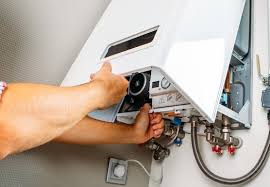
Why a proper boiler installation matters in Lancaster, OH
Lancaster winters bring sustained cold temperatures that increase heating demand. An improperly sized or poorly installed boiler will run inefficiently, struggle to maintain comfort, and wear out faster. Many Lancaster homes have unique challenges such as older piping, limited mechanical space, or masonry chimneys that influence the choice of boiler and venting method. A professional installation ensures the system is sized, located, and set up to deliver reliable heat, lower fuel use, and meet local code and inspection requirements.
Common boiler types and how to choose one
Understanding the main boiler configurations and fuel types helps match system performance to your home.
- Combi boilers (combination)
- Provide hot water and space heating from one compact unit.
- Best for smaller homes or where space is limited.
- In Lancaster, combi boilers are attractive for downsized systems and homes without separate water heaters.
- System boilers
- Work with a dedicated hot water cylinder for larger hot water needs.
- Good for homes with multiple bathrooms or high simultaneous hot water demand.
- Conventional (regular) boilers
- Require a separate cold water storage tank and hot water cylinder.
- Common in older homes that already have the infrastructure in place.
Fuel options: natural gas, oil, and electric. Natural gas tends to be efficient and cost-effective where service is available. Oil remains in use in some Lancaster properties with existing oil infrastructure. High-efficiency electric boilers are an option where gas or oil service is not practical, or where homeowners prefer electrification.
Selecting the right boiler involves balancing efficiency, hot water demand, available fuel, existing piping, and how long you plan to stay in the house.
Initial consultation and load calculation
A professional installation begins with an on-site consultation and a heat loss calculation (often using industry-standard methods). This determines the correct boiler capacity and helps avoid oversizing, which wastes fuel and increases cycling, or undersizing, which leaves rooms cold during peak winter weather.
What inspectors and technicians typically assess:
- Home square footage, ceiling heights, insulation levels, and window types
- Heat loss by room and overall design temperature for Lancaster winters
- Existing distribution system: radiators, baseboards, or in-floor heating
- Fuel type, supply lines, and ventilation routes
- Any structural or accessibility constraints for equipment placement
A proper load calculation leads to a recommended boiler model and configuration rather than a generic size estimate.
Site preparation, venting, and piping requirements
Boiler placement and venting are critical for safety and performance. Key considerations for Lancaster homes include:
- Venting options: chimney liners for older masonry chimneys, direct venting through an exterior wall, or PVC venting for condensing boilers. High-efficiency condensing boilers require condensate drainage and corrosion-resistant venting.
- Piping layout: modernization may require replacing galvanized or corroded pipes, adding isolation valves, expansion tanks, and proper pressure relief fittings.
- Clearances and access: adequate service space for future maintenance and compliance with local codes.
- Combustion air: gas and oil units need appropriate air supply; tight Lancaster homes may require dedicated combustion air.
Adequate site prep reduces surprises on install day and helps the project stay on schedule.
Installation timeline and what to expect on install day
A typical boiler replacement or new installation follows a clear sequence:
- Final verification of piping, venting, and fuel connections to match the selected unit.
- Safe removal and disposal of the old boiler and obsolete components.
- Mechanical installation: mounting the new unit, connecting fuel, water, venting, and condensate lines.
- System fill, purge of air, and pressure checks for leaks.
- Electrical connections and integration with existing thermostats or controls.
- Initial startup and preliminary testing.
On install day homeowners can expect technicians to protect floors, work within a defined schedule, and leave the mechanical area clean. Larger or more complex jobs may require two days and intermittent inspections.
Testing, commissioning, warranty, and post-install support
Thorough commissioning verifies the system operates safely and efficiently:
- Pressure and leak testing, flue analysis if applicable, and thermostat calibration.
- Hydronic balancing so all rooms receive correct heat.
- Demonstration of controls and safety features to the homeowner.
- Registration of manufacturer warranty and documentation for parts and labor coverage.
Post-install support often includes recommended maintenance schedules, options for service agreements, and guidance on seasonal checks to preserve efficiency and extend equipment life.
Permits and inspections in Lancaster, OH
Boiler installations generally require local permits and final inspections to ensure compliance with mechanical, plumbing, and fuel codes. Permit requirements depend on factors such as change of fuel type, venting modifications, or structural alterations. Working with a licensed installer ensures permits are pulled properly and inspectors are coordinated with to avoid delays.
Pricing structure and financing options
Costs for a new boiler installation vary based on boiler type, capacity, fuel type, complexity of venting and piping updates, and required site modifications. Major cost drivers include:
- Equipment efficiency and brand
- Extent of piping, ductwork, or chimney changes
- Additional components like indirect water heaters, zoning systems, or controls
- Required electrical or gas line upgrades
Financing options commonly available include installment plans through lenders, home improvement loans, and manufacturer financing programs. Some homeowners also explore energy-efficiency incentives or local programs that can offset part of the investment; an informed installer can outline compatible options without referencing specifics.
Long-term benefits and maintenance tips
A correctly specified and installed boiler improves comfort, reliability, and home value. For Lancaster homeowners, benefits include better winter performance, lower fuel consumption, and fewer emergency repairs. To protect your investment:
- Schedule annual service and combustion testing if applicable.
- Bleed radiators and verify system pressure seasonally.
- Keep vents and outdoor intake areas clear in winter.
- Replace aging controls or thermostats with programmable or smart options for added efficiency.
Replacing an aging boiler with a properly sized, high-efficiency model tailored to Lancaster, OH conditions delivers reliable heat through long winters and helps manage operating costs while meeting local code requirements.
Hot Deals & Cool Savings

.webp)
New Service Agreement Membership
.webp)
Any New Client Service
Next Service for Referring a New Client
New Service Agreement Membership
Any New Client Service
Next Service for Referring a New Client
.webp)
.webp)

Service Areas
