
Expert Boiler Service In Columbus, OH
Professional boiler service, repair, and installation for dependable hot water heating. Ensure safety and efficiency year-round.

Boiler in Columbus, OH
An efficient, reliable boiler keeps Columbus homes warm through chilly Ohio winters and prevents costly mid-season breakdowns. Whether you need boiler repair and diagnostics, a new boiler installation or replacement, efficiency upgrades, scheduled maintenance, or a safety inspection, this page explains what to expect, common issues, and how to choose the right boiler for your home or business in Columbus, OH.
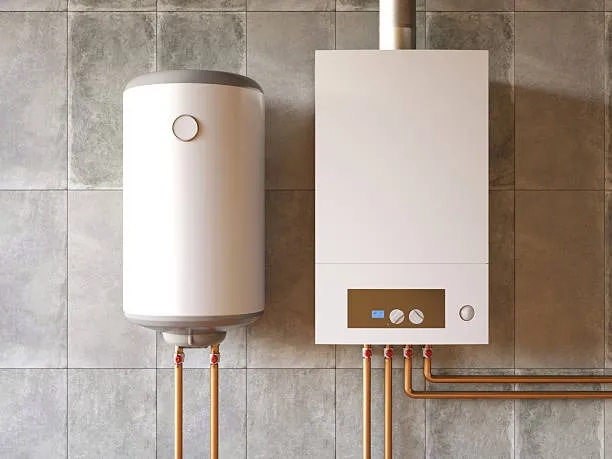
Why boiler service matters in Columbus homes
Columbus experiences cold winters and wide temperature swings in shoulder seasons. Many local homes have hydronic heating or older boiler systems that are more sensitive to proper tuning and maintenance than modern forced-air systems. Untreated issues reduce comfort, raise energy bills, and create safety risks such as carbon monoxide leaks or pressure failures. Timely, professional boiler care preserves comfort, extends equipment life, and improves fuel efficiency.
Common boiler problems we diagnose and repair
- Pilot or ignition failure - intermittent lighting, yellow/fluctuating flame, or no heat.
- Low system pressure - loss of pressure causes poor circulation and cold radiators.
- Leaks - from valves, heat exchanger, or pipe joints that can damage floors and reduce efficiency.
- Strange noises - banging, kettling, or gurgling indicate scale, trapped air, or failing components.
- Short cycling - frequent on/off cycles that signal improper sizing, a failing control, or airflow problems.
- Uneven heating - zone valve, thermostat, or circulator pump issues causing hot and cold spots.
- Combustion issues - soot, poor venting, or incomplete combustion that need immediate attention for safety.
Professional diagnostics: what technicians check
- Visual inspection of boiler components and piping for leaks, corrosion, and correct clearances.
- Combustion analysis to verify safe, efficient combustion and to detect carbon monoxide or improper draft.
- Pressure and temperature checks - verify system pressure (typically 12-15 psi for hot water systems) and target operating temperatures.
- Circulator pump and zone testing - confirm flow and balance across zones.
- Controls and safety device testing - thermostats, low-water cutoffs, pressure relief valves, and expansion tanks.
- Heat exchanger inspection - assess for cracks, corrosion, or buildup that reduce efficiency or create safety risks.
- Electrical checks - ensure proper wiring and safe operation of ignition, pumps, and controls.
New boiler installation and replacement guidance
When replacing an aging boiler, Columbus homeowners should weigh efficiency, fuel type, and installation constraints:
- Fuel options - natural gas remains common in central Ohio, but oil, propane, and electric boilers are also used based on availability and building setup.
- Efficiency - look at AFUE (Annual Fuel Utilization Efficiency). Modern condensing boilers reach high AFUE ratings and can cut fuel use substantially compared to older units.
- Proper sizing - accurate heat loss calculation is essential. Oversized boilers short cycle and waste fuel; undersized units cannot meet heating demand on the coldest nights.
- System type - choose between traditional hot water boilers, steam boilers, or combination (combi) boilers depending on whether domestic hot water integration is needed.
- Venting and space - venting type, chimney condition, and available mechanical room space influence equipment selection and installation method.
- Controls and zoning - modern controls, outdoor reset, and zoning improve comfort and reduce operating costs.
Efficiency upgrades that deliver savings
- Condensing boilers - capture heat from exhaust gases to improve efficiency on modern systems.
- Modulating burners and variable-speed pumps - match output to demand and reduce cycling.
- Outdoor reset controls - adjust boiler temperature to outdoor conditions for steady comfort and lower fuel use.
- Zone valves and smart thermostats - reduce wasted heat by heating only occupied areas.
- Pipe insulation and thermostat setbacks - low-cost measures that improve system responsiveness and reduce losses.
- Water treatment and descaling - protects heat exchangers and restores heat transfer efficiency in older systems.
Scheduled maintenance to prevent breakdowns
Routine maintenance minimizes emergency repairs and keeps boilers running at peak performance:
- Annual tune-up - combustion testing, cleaning burners, checking controls, and lubricating moving parts.
- Pressure checks and expansion tank inspection - correct pressure prevents circulation problems and tank failure.
- Flue and vent inspection - clear vents remove combustion byproducts safely and ensure proper draft.
- Radiator bleeding and system balancing - eliminate trapped air and restore even heat distribution.
- Safety device testing - pressure relief valves and low-water cutoffs must operate reliably.
Recommended schedule: one full service annually, ideally before the heating season begins, with quick midseason checks if the system shows signs of trouble.
Safety inspections and carbon monoxide awareness
Safety inspection components include combustion analysis, flue integrity, venting, and carbon monoxide detection planning. In Columbus winters, blocked chimneys from snow or bird nests can cause dangerous backdrafts. Carbon monoxide is odorless and deadly; ensure your boiler’s combustion is clean and install functioning CO detectors in living areas.
Choosing the right boiler for your home or business
Consider these priorities when selecting a boiler:
- Accurate heat loss calculation based on insulation, windows, and building layout.
- Fuel availability and price stability in central Ohio.
- AFUE rating and long-term operating cost, not just upfront price.
- Compatibility with existing distribution (radiators, baseboard, or underfloor systems).
- Warranty coverage, expected service life, and local serviceability.
- Space constraints and venting requirements.
- Controls and future upgradeability for zoning or smart home integration.
An informed choice balances comfort, reliability, and lifetime cost. Proper sizing and professional installation are as important as the boiler model itself.
Long-term benefits and homeowner tips
Regular, professional boiler service reduces fuel bills, avoids midwinter emergencies, improves indoor comfort, and protects your property from leaks and water damage. Simple homeowner actions between services include monitoring system pressure, watching for leaks or unusual noises, and keeping venting and intake areas clear of debris and snow.
Frequently Asked Questions
Q: How often should my boiler be serviced?
A: Annual professional maintenance before the heating season, plus quick checks if you notice performance changes.
Q: How do I know if I need a repair or a full replacement?
A: Repairs are cost-effective if the boiler is relatively new and issues are isolated. Consider replacement for frequent breakdowns, low efficiency, or if repair costs approach replacement cost and the unit is older than 10 to 15 years.
Q: What efficiency improvements give the best return?
A: Condensing boilers and controls like outdoor reset and zoning typically provide the largest energy savings. Pipe insulation and variable-speed circulators are also cost-effective.
Q: Can older radiators work with a modern condensing boiler?
A: Yes, but system temperature and controls may need adjustment. Lower return temperatures improve condensing efficiency; a qualified technician can evaluate compatibility and recommend modifications.
Q: What safety checks are included in a boiler inspection?
A: Combustion analysis, flue and vent inspection, pressure relief valve testing, low-water cutoff testing, and verification of proper combustion air supply.
Hot Deals & Cool Savings

.webp)
New Service Agreement Membership
.webp)
Any New Client Service
Next Service for Referring a New Client
New Service Agreement Membership
Any New Client Service
Next Service for Referring a New Client
.webp)
.webp)

Service Areas
