
Boiler Replacement in Lancaster, OH
Lancaster, OH boiler replacement: discover how high-efficiency condensing boilers save energy, improve comfort, and properly match your home’s heat load. Learn more.

Boiler Replacement in Lancaster, OH
Replacing a residential boiler in Lancaster, OH is a decision that affects comfort, energy bills, and long-term reliability. Lancaster homes face cold Ohio winters and significant temperature swings that put continuous demand on heating systems. If your boiler is more than 15 years old, requires frequent repairs, or struggles to keep rooms warm during Fairfield County cold snaps, a well-planned boiler replacement can restore reliable heat, lower operating costs, and reduce carbon emissions.
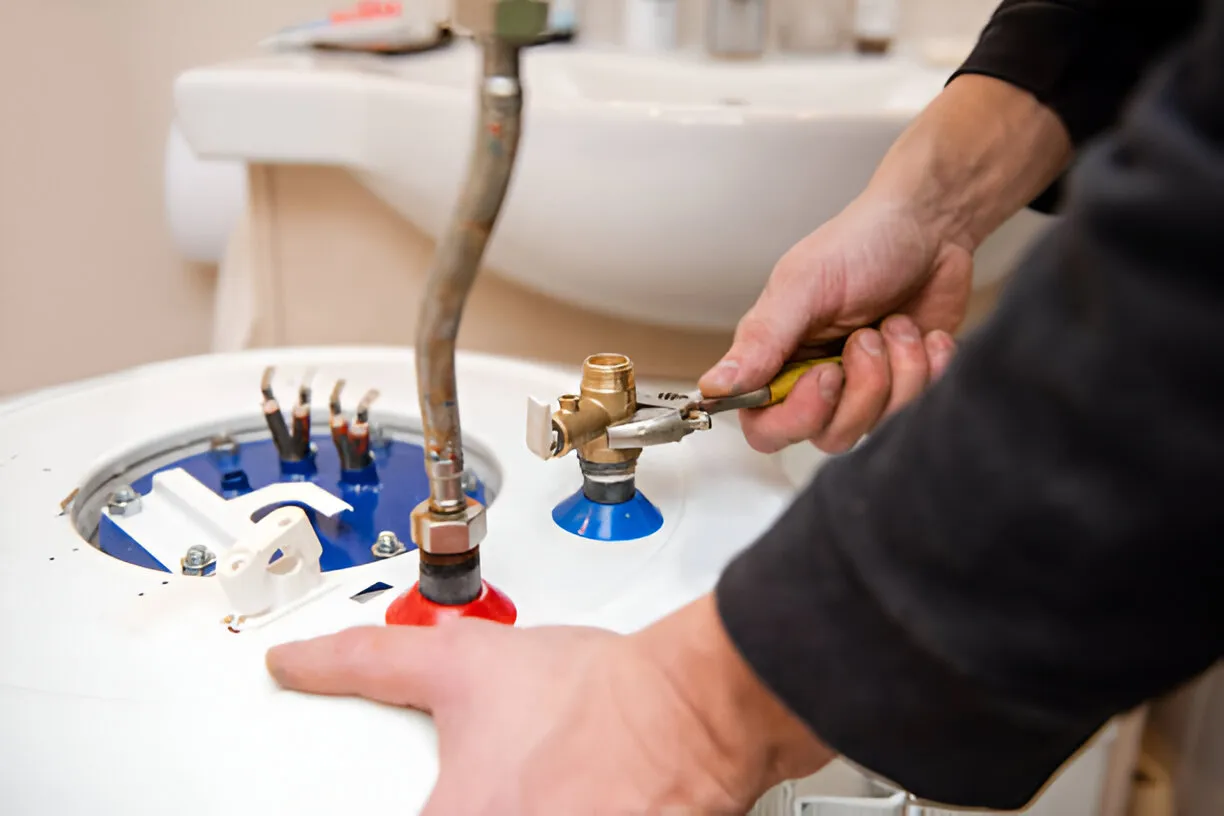
Common boiler replacement issues in Lancaster, OH
Homeowners in Lancaster typically seek replacements for these reasons:
- Persistent failures or the need for repeated repairs on an aging boiler
- Rising fuel bills despite regular maintenance
- Uneven heating or inability to maintain set temperatures during winter
- Loud noises, corrosion, leaks, or visible cracks in the boiler or flue
- Lack of parts for older models or obsolete controls
- Safety concerns such as carbon monoxide risk or compromised venting
These signs, especially in older Fairfield County homes with original heating systems, indicate it is more cost-effective to replace than to keep repairing.
How replacements are evaluated and recommended
A thorough evaluation in Lancaster usually includes:
- Visual inspection of the boiler, combustion chamber, flue, and controls
- Combustion efficiency testing to measure fuel-to-heat conversion
- Inspection for leaks, corrosion, and venting or chimney issues
- Assessment of existing hydronic distribution: radiators, baseboards, or in-floor heating
- Heat loss calculation to determine correct boiler size for the home’s insulation, window area, air infiltration, and layout
Recommendations focus on matching a boiler to your home’s actual heat load and usage patterns. In Lancaster, where nights can drop sharply, oversizing is common but leads to short-cycling and inefficiency. The goal is the right-sized, high-efficiency system that meets peak demands without wasted fuel.
Boiler options: high-efficiency and condensing boilers
Key replacement options to consider:
- Condensing boilers: Capture additional heat from exhaust gases, delivering efficiencies typically above 90 percent. Best for homes with lower return-water temperatures and existing hydronic systems.
- Modulating-condensing (mod-con) boilers: Adjust output to match demand, reducing cycling and improving comfort with fuel savings over older fixed-output units.
- Combi boilers: Provide both space heating and domestic hot water in a compact unit. Suitable for homes with limited space and modest hot water demand.
- System and traditional boilers: Still used in some installations where domestic hot water is handled separately or in large multi-zone systems.
In Lancaster, high-efficiency condensing or mod-con boilers are often the most energy-smart choice given cold winters and rising fuel costs.
System sizing and load calculations
Proper sizing is critical. A professional heat loss calculation accounts for:
- Square footage and ceiling heights
- Insulation levels and window types
- Air leakage and foundation/attic exposures
- Local climate data (design temperature for Lancaster)
- Desired indoor temperatures and distribution losses through radiators or piping
The result is a load-matched boiler selection and control strategy to optimize run times, fuel consumption, and longevity.
Removal and disposal of old equipment
Safe removal involves:
- Draining the boiler and hydronic system in a controlled manner
- Disconnection of gas, electrical, and venting connections
- Inspection for hazardous materials such as asbestos in old pipe insulation; if present, licensed abatement is required
- Recycling and disposal of metal components and appropriate handling of the old flue and controls per local regulations
Disposal follows Fairfield County and Lancaster guidelines, and documentation of proper disposal is part of good project practice.
Installation steps and expected timelines
Typical installation stages and timeframes:
- Final design and permit application - 1 to 7 days depending on permit processing
- Onsite preparatory work (piping, gas line adjustments, electrical) - 1 to 2 days
- Boiler delivery, installation, and connection - 1 to 3 days depending on complexity
- System filling, air purging, combustion tuning, and controls configuration - several hours to 1 day
- Inspection and start-up approval - timing depends on local inspector availability
Most straightforward residential replacements in Lancaster are completed within 2 to 7 business days once permits are in place. More extensive retrofit projects, piping upgrades, or multi-zone hydronic work can extend the timeline.
Cost estimates and financing options
Replacement cost depends on boiler type, capacity, installation complexity, and any required distribution upgrades. High-efficiency condensing units and systems with additional controls or zoning will be at the higher end but offset costs through lower fuel consumption. Financing options commonly available include:
- Home energy loans and HVAC financing programs
- Manufacturer or dealer financing terms
- Local utility low-interest programs or on-bill financing where available
- Property assessed clean energy (PACE) programs in applicable areas
Assistance with matching financing to long-term savings projections helps homeowners in Lancaster choose the most cost-effective path.
Energy savings and warranty information
Replacing an old non-condensing boiler with a modern condensing unit can produce substantial energy savings—commonly in the range of 15 to 30 percent depending on fuel type, home envelope, and system controls. Combining a new boiler with system controls like outdoor-reset and zoning increases savings and comfort.
Warranty structures to review:
- Manufacturer warranties on heat exchangers and parts (length varies by model)
- Additional warranty coverage for labor provided by the installing contractor
- Provisions for extended warranties on high-efficiency components
Documented warranty registration and understanding service expectations are essential for long-term protection.
Permits, rebates, and local incentives
Boiler replacements in Lancaster typically require building and mechanical permits. An installer experienced with Fairfield County procedures can handle permit submissions and coordinate inspections. Homeowners should also review:
- Utility rebates for high-efficiency heating equipment
- State and federal tax incentives that may apply to energy-efficient upgrades
- Local energy efficiency programs that help offset upgrade costs
Assistance with paperwork and rebate applications reduces friction and maximizes available savings.
Final considerations and maintenance advice
A correctly specified and installed boiler delivers dependable heat through Lancaster winters, lower energy bills, and improved indoor comfort. To protect that investment:
- Schedule annual preventive maintenance to check combustion efficiency, controls, and system fluid quality
- Bleed air from radiators or purge the system to maintain circulation
- Use recommended water treatment for closed-loop hydronic systems
- Keep vents, combustion air inlets, and mechanical rooms clear of obstructions
Replacing your boiler is a technical decision with long-term impacts. A replacement focused on right sizing, high-efficiency equipment, proper installation, and local regulatory compliance ensures reliable heating in Lancaster, OH homes while maximizing energy savings and warranty protections.
Hot Deals & Cool Savings

.webp)
New Service Agreement Membership
.webp)
Any New Client Service
Next Service for Referring a New Client
New Service Agreement Membership
Any New Client Service
Next Service for Referring a New Client
.webp)
.webp)

Service Areas
