
Boiler Repair in Lancaster, OH
Boiler repair service in Lancaster, OH: fast diagnostics, safe heat restoration, and guidance on repair vs replacement. Learn more.

Boiler Repair in Lancaster, OH
When winter arrives in Lancaster, OH, a malfunctioning boiler can quickly become an urgent problem. Boiler Repair in Lancaster, OH focuses on restoring safe, reliable heat for homes and small businesses that rely on hydronic or steam systems.
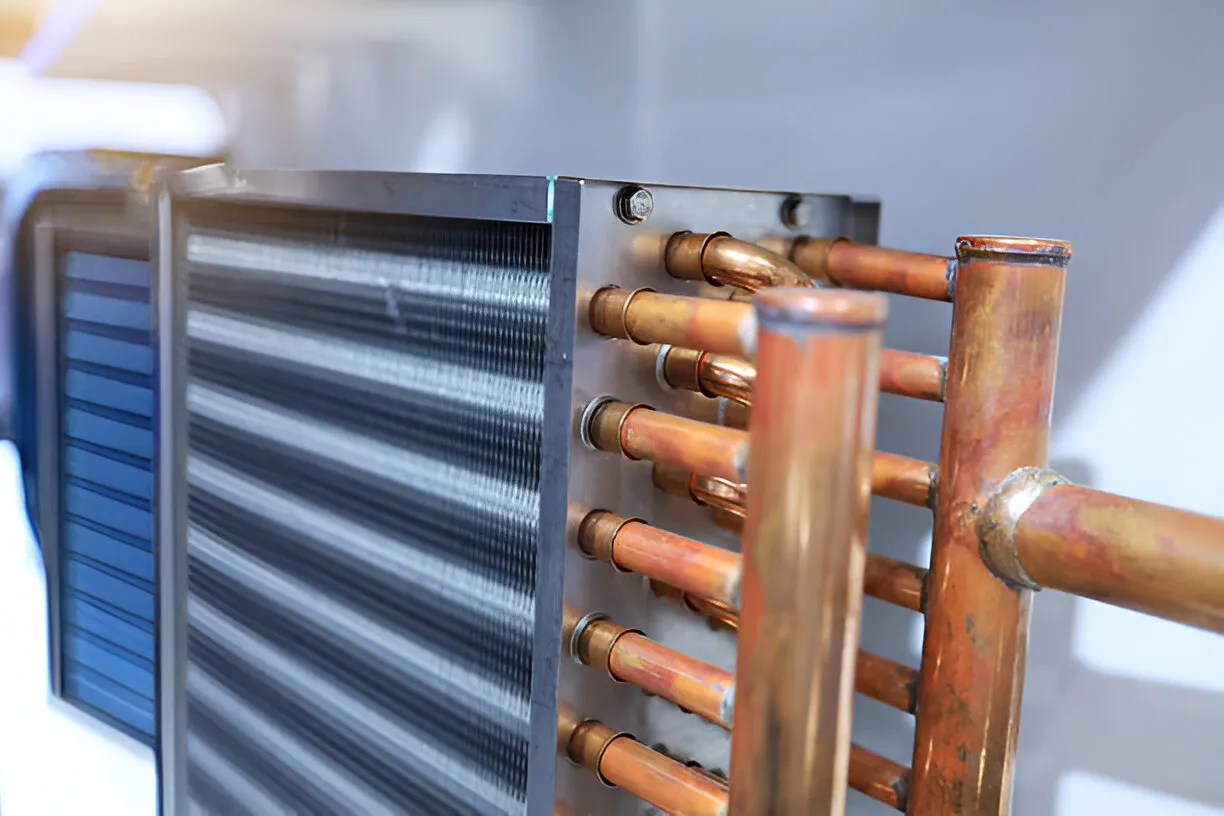
Why prompt boiler repair matters in Lancaster, OH
Lancaster experiences cold winters that place heavy demand on heating systems. Extended low temperatures increase the likelihood of freeze-related damage, pressure excursions, and worn components failing. Prompt repair reduces the risk of frozen pipes, energy waste, and safety hazards such as combustion or carbon monoxide issues. Quick, accurate repairs also extend the life of an existing boiler and restore comfort for your home or business.
Common boiler repair issues in Lancaster, OH
Homeowners and property managers in Lancaster commonly report these problems:
- No heat or intermittent heating: burner ignition issues, failed circulator pumps, or open zone valves.
- Pilot or ignition failures: faulty thermocouples, electronic ignition module faults, or gas supply interruptions.
- Water leaks: corroded fittings, failed heat exchanger, or leaking relief valves.
- Pressure problems: low or high system pressure caused by leaks, faulty expansion tanks, or pressure regulators.
- Strange noises: kettling from scale on the heat exchanger, air in the system, or failing pumps.
- Frequent cycling: short-cycling from oversized boilers, improper control settings, or blocked condensate/drain lines.
- Safety lockouts: flame sensor failure, venting blockages, or unsafe combustion conditions.
Emergency and scheduled repair services
- Emergency boiler repair: Available for unsafe conditions or complete loss of heat during cold weather. Emergency calls prioritize diagnostics and temporary safe fixes to restore heat immediately.
- Scheduled repairs: For non-urgent issues, scheduled visits allow for thorough diagnostics, part replacement, and testing with documented results.
- Seasonal tune-ups and preventative service: Annual inspections before heating season reduce emergency calls and identify parts that are approaching end of life.
Step-by-step diagnostic and repair process
- Safety assessment: Verify no active gas leak, check for carbon monoxide alarms, and confirm safe working conditions.
- System history and symptoms: Gather information on recent behavior, prior repairs, and when the issue began.
- Visual inspection: Check combustion chamber, venting, valves, pumps, visible piping, and control wiring for obvious faults.
- Instrumented testing: Measure gas pressure, combustion efficiency (where required), system pressure, electrical continuity, and pump operation.
- Fault identification: Narrow down root cause—electrical control, fuel supply, mechanical failure, or heat exchanger integrity.
- Repair plan: Explain the required repairs, expected parts, and estimated labor duration (no pricing shown here).
- Parts replacement and repair: Replace defective components, repair piping or controls, flush and refill system if needed.
- System test and verification: Run the boiler through cycles, verify safe combustion and pressure stability, and test all safety controls.
- Documentation: Provide a clear repair summary, parts installed, and recommended follow-up or maintenance schedule.
Typical parts replaced during boiler repair
- Igniters, flame sensors, and pilot assemblies
- Gas valves and regulators
- Circulator pumps and motor couplings
- Pressure relief valves and expansion tanks
- Thermostats and control boards
- Heat exchangers (partial repairs) or seals
- Zone valves and actuators
- Condensate traps and drain lines
Technician qualifications and standards
Technicians performing Boiler Repair in Lancaster, OH hold applicable state licenses and factory training for common boiler brands. Typical qualifications include:
- State-licensed or certified gas heating technician credentials
- NATE or manufacturer-specific training for modern boiler controls
- EPA certifications where refrigerants are involved (for systems with hybrid equipment)
- Background checks and liability insurance
- Adherence to local codes and safety standards for combustion and venting
Technicians will explain any safety concerns and provide written documentation of work performed and parts used.
Estimated response times
- Emergency situations (no heat in winter, suspected carbon monoxide): typically prioritized same day or within a few hours, depending on call volume and weather.
- Urgent but non-life-safety issues: often scheduled within 24 to 72 hours.
- Routine scheduled repairs and maintenance: usually booked within one week during normal seasons, but winter demand may extend lead times.
Warranty and part guarantees
Most repair work includes a labor warranty that covers workmanship for a limited period (commonly 30 to 90 days). Replacement parts typically carry the manufacturer warranty, which varies by part and brand. For transparency, repair documentation should note the warranty durations for both labor and parts installed.
Repair vs replacement: what to consider in Lancaster homes
Repair is often the best choice when:
- The boiler is under 10 to 12 years old with a reputable maintenance history.
- The issue is isolated to a single, replaceable component.
- The system still operates at acceptable efficiency and meets household heating needs.
Replacement should be considered when:
- The boiler is older than 15 to 20 years and showing multiple failures.
- Repair costs approach or exceed a substantial portion of replacement cost.
- The heat exchanger is cracked or rusted, creating safety concerns.
- Energy efficiency is poor and a high-efficiency condensing boiler would significantly reduce fuel bills in Lancaster winters.
- The system cannot meet current home demands due to changes in insulation, additions, or zoning needs.
A practical rule is to weigh repair cost, remaining life expectancy, and energy savings from a new unit when deciding.
Seasonal and maintenance tips for Lancaster, OH homes
- Schedule annual inspections and tune-ups before the heating season to catch issues early.
- Keep vents and intake areas clear of snow, ice, and debris during winter.
- Check system pressure monthly and address slow pressure loss quickly to avoid freeze risk.
- Bleed radiators and purge air from hydronic systems after long idle periods.
- Insulate exposed supply lines in unheated spaces to prevent freeze damage during deep freezes.
Regular maintenance in Lancaster not only reduces emergency repairs but also improves comfort and lowers fuel use during long cold stretches.
Hot Deals & Cool Savings

.webp)
New Service Agreement Membership
.webp)
Any New Client Service
Next Service for Referring a New Client
New Service Agreement Membership
Any New Client Service
Next Service for Referring a New Client
.webp)
.webp)

Service Areas
