
Boiler Maintenance in Lancaster, OH
Boiler maintenance service in Lancaster, OH keeps heat safe and efficient, schedule routine tune-ups today to prevent breakdowns and save energy.

Boiler Maintenance in Lancaster, OH
Keeping your boiler well maintained is the most reliable way to ensure safe, efficient heat throughout Lancaster, OH winters. With cold temperatures, occasional deep freezes, and older housing stock in the area, a neglected boiler is more likely to fail when you need it most. Regular boiler maintenance reduces breakdowns, extends equipment life, and lowers energy bills while protecting your family from safety hazards like accidental carbon monoxide and pressure failures.
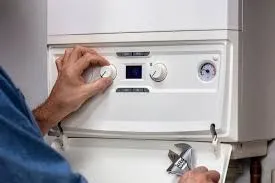
Common boiler problems in Lancaster, OH homes
Lancaster homeowners typically face these recurring issues because of regional climate and building types:
- Sediment and soot buildup from frequent seasonal cycling after long summer idle periods
- Corrosion in cast-iron sections or piping, especially in older brick homes with original systems
- Flue and venting obstructions from debris or settling chimneys after winter storms
- Pressure fluctuations and leaking relief valves caused by freeze-thaw cycles and water quality
- Inefficient combustion or dirty burners leading to higher gas consumption during prolonged cold spells
- Circulator pump failures and air-bound radiators from seasonal thermal expansion and contraction
Understanding these patterns helps prioritize the specific checks and tune-ups your boiler needs before peak demand seasons.
Routine boiler maintenance types and timing
A proactive maintenance program for Lancaster should include:
- Annual comprehensive tune-up: full inspection and cleaning before the first major heating season in fall
- Mid-winter safety check: quick verification of pressures, controls, and combustion if the system has heavy usage or is older
- Spring shutdown inspection: evaluate for corrosion, leaks, and prepare system for any needed off-season repairs
- Semiannual visits for high-use or commercial systems: burner tuning and water treatment twice per year
Homes with older cast-iron boilers, poorly insulated piping, or hard water should consider semiannual service to catch issues early.
What a routine maintenance visit includes
During a standard annual or seasonal tune-up, expect a technician to perform organized, documented tasks such as:
- Visual and hands-on inspection of burner assembly, burners, and combustion chamber for soot or blockage
- Heat exchanger inspection for cracks, corrosion, and proper heat transfer condition
- Flue, chimney, and venting inspection and cleaning to ensure safe exhaust and correct draft
- Fuel supply checks (natural gas or oil lines) and burner performance adjustment for complete combustion
- Pressure system checks: verify operating pressure, expansion tank condition, and correct pressure differential
- Safety relief valve test to confirm proper operation and sealing
- Controls and limit switches check, plus thermostat calibration and sequence testing
- Circulator pump and motor inspection, bearings, belts, and electrical connections
- Water quality assessment and treatment recommendations to prevent scaling and corrosion
- Leak detection at joints, valves, and piping, including flange and union inspections
- System start-up and full run test while monitoring temperatures, pressures, and combustion parameters
- Written report summarizing findings, recommended repairs, and efficiency notes
These tasks focus on safety first, then efficiency and reliability. Technicians commonly use combustion analyzers, pressure gauges, and infrared thermometers to quantify performance.
Diagnostics and performance tuning explained simply
Performance tuning is more than cleaning. Technicians measure fuel-to-air ratio and adjust burners so the boiler burns fuel as completely as possible. Proper combustion reduces fuel waste and limits soot that impairs heat transfer. Heat exchanger cleaning restores efficient heat transfer, lowering runtime. Correct system pressures and well-functioning relief valves protect against dangerous overpressure events. For hot water systems, balancing and bleeding radiators or adjusting pump speeds improves comfort and reduces energy use.
If a diagnostic reveals leaks, worn components, or failing controls, the typical approach is to repair or replace affected parts, then re-test the system under normal load to verify the fix. Replacing a small, inexpensive part during a tune-up often prevents an expensive emergency repair in freezing weather.
Service agreements and what to expect from recurring visits
A maintenance agreement for Lancaster properties should be structured to match local needs and system type, and commonly includes:
- Scheduled annual or semiannual visits timed before and during peak heating season
- A detailed service checklist and written inspection report after each visit
- Priority scheduling for agreed customers during heating emergencies or severe cold snaps (service level varies by agreement type)
- Options for parts and labor coverage, with transparent terms on what is included versus recommended repairs
- Record keeping to maintain warranty compliance and resale documentation
Recurring visits are typically set up on a calendar basis, with reminders and pre-arranged windows to minimize disruption. For homes where reliable heat is critical—older homes, households with infants, or residents with medical needs—agreements can be customized for more frequent checks or specific inventory of spare parts.
Benefits of regular boiler maintenance
Consistent maintenance yields measurable, practical advantages for Lancaster homeowners:
- Fewer mid-winter breakdowns and emergency repairs when parts are harder to source
- Longer boiler and component lifespan by preventing corrosion and mechanical wear
- Lower monthly energy bills due to optimized combustion and reduced run times
- Improved home comfort through balanced heating and correct system pressures
- Enhanced safety by ensuring relief valves, controls, and venting work properly
- Preservation of warranty coverage through documented, scheduled maintenance
Because Lancaster winters can be prolonged and harsh, these benefits translate directly into fewer cold nights, reduced repair stress, and predictable household budgets.
Practical maintenance tips for Lancaster homeowners
- Schedule your comprehensive tune-up in early fall to catch problems before sustained cold arrives.
- Ensure your boiler room is free of stored items and clutter to allow proper airflow and technician access.
- If your home uses well water or you know you have hard water, ask about water treatment to limit scale.
- Keep carbon monoxide detectors on the same level as sleeping areas and test them regularly.
- Record maintenance visits and keep reports with your home records to support any future warranty or resale needs.
Properly executed boiler maintenance is a cost-effective way to keep your Lancaster home safe, warm, and efficient. Regular inspections, careful combustion tuning, and a predictable maintenance schedule are the core elements that prevent most heating season emergencies and preserve comfort through Ohio’s cold months.
Hot Deals & Cool Savings

.webp)
New Service Agreement Membership
.webp)
Any New Client Service
Next Service for Referring a New Client
New Service Agreement Membership
Any New Client Service
Next Service for Referring a New Client
.webp)
.webp)

Service Areas
