
Mini Split Tune-Up in Lewis Center, OH
Mini Split tune-ups in Lewis Center, OH keep systems efficient, extend life, and reduce repairs; includes inspection, cleaning, refrigerant checks, and performance testing.

Mini Split Tune-Up in Lewis Center, OH
Keeping a ductless mini-split tuned and inspected is one of the most cost-effective ways to protect comfort, lower energy use, and avoid unexpected breakdowns in Lewis Center homes. Seasonal tune-ups focus on cleaning, system checks, and small adjustments that restore factory performance and help the system handle our humid Ohio summers and cold winters more reliably.
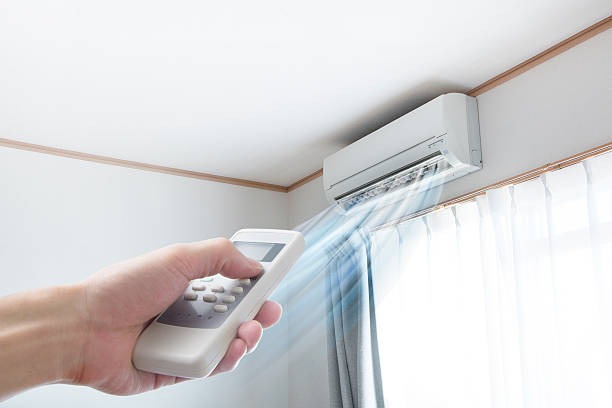
Why a seasonal mini-split tune-up matters in Lewis Center
- Lewis Center experiences warm, humid summers and cold winters with freeze-thaw cycles. High humidity and spring pollen load encourage dirt buildup on coils and filters, which reduces capacity and can foster mold growth inside indoor units.
- Mini-splits are often used for additions, zoned comfort, or whole-home heating and cooling via heat pump. Because many units run year-round, a seasonal tune-up reduces strain during peak cooling and heating periods.
- Regular maintenance helps preserve efficiency, keeps indoor air healthier, and reduces the risk of mid-season failures when repair lead times can be longer.
Common mini-split issues in Lewis Center homes
- Reduced cooling capacity and longer run times during humid summer months.
- Frosting or intermittent heating performance in colder weather when refrigerant or airflow is compromised.
- Indoor unit noise from dirty blower wheels or loose mounts.
- Electrical failures (capacitors, relays) after seasonal cycling.
- Indoor air odors from clogged filters or mold in the drain pan and coils.
What a standard mini-split tune-up includes (checklist)
A professional tune-up follows a consistent checklist to catch small issues before they become major repairs. Typical items performed during a tune-up:
- System cleaning
- Clean or replace washable filters and inspect disposable filters.
- Remove dust and debris from indoor units, blower wheel, and evaporator coil.
- Clear and flush condensate drain and pan to prevent clogs and microbial growth.
- Clean outdoor condenser coil and remove debris around the outdoor unit.
- Refrigerant and pressure checks
- Measure system pressures and temperatures to verify correct refrigerant charge and detect leaks.
- Inspect refrigerant lines and insulation for damage and proper routing.
- Electrical inspection and tightening
- Inspect, test, and tighten electrical connections, contactors, and terminals.
- Test capacitors, relays, and breakers for safe operation.
- Mechanical checks and lubrication
- Check blower motor operation, fan blades, and indoor/outdoor fan belts or mounts.
- Lubricate moving parts where applicable to reduce wear and noise.
- Thermostat and control verification
- Calibrate remote or wall controllers, verify setpoint response, and check communication between indoor and outdoor units.
- Inspect mode switching (cool/heat/auto) and verify defrost function on heat pump systems.
- Performance testing
- Measure supply and return air temperatures and verify adequate airflow.
- Run a full performance cycle to evaluate starting behavior, run current draw, and hear for abnormal noises.
- Confirm system cycles appropriately and achieves expected temperature differentials.
- Safety and documentation
- Test safety controls and emergency shutdown behavior.
- Provide a written report of findings, recommendations, and any observed wear or leaks.
Expected duration
Most single-zone mini-split tune-ups in typical Lewis Center homes take roughly one to two hours per indoor/outdoor pair, depending on unit accessibility, cleanliness, and whether repairs or parts replacement are needed. Multi-zone systems or units mounted in tight spaces may take longer.
Cost factors (what influences price)
Instead of a flat number, expect the tune-up price to reflect:
- Number of indoor heads and size of the outdoor unit
- Accessibility of indoor/outdoor units (attic, high-wall, tight crawlspaces)
- Condition of filters, coils, and condensate drains (extra cleaning may be needed)
- Any parts that require replacement (filters, capacitors, contactors, leak repairs)
- Whether refrigerant needs charging or leak testing beyond routine inspection
A seasonal service membership or maintenance plan can reduce long-term repair expenses and help prioritize tune-ups before peak seasons.
Best timing for tune-ups in Lewis Center
- Spring (late March to May) — Ideal for preparing your mini-split for heavy cooling demand. Spring tune-ups remove pollen and spring debris, ensure refrigerant charge is correct, and verify cooling capacity before humid Ohio summer sets in.
- Early fall (September to October) — Recommended for heat pump units or mini-splits used for heating. Fall inspections check defrost cycles, heat mode performance, and ensure the system is ready for colder spells.
- Year-round use — If your mini-split runs year-round for primary heating, consider twice-yearly checks (spring and fall) to keep both cooling and heating performance optimal.
How tune-ups improve efficiency and reduce breakdown risk
- Restoring airflow and cleaning coils lowers the workload on the compressor and reduces runtime, which improves efficiency and can translate into lower energy use during peak months.
- Tightening electrical connections and testing capacitors prevents common failure modes that often cause mid-season outages.
- Early refrigerant pressure verification and leak detection prevent reduced capacity and compressor damage from undercharge or oil loss.
- Clearing drains and cleaning filters reduces microbial growth and protects indoor air quality, preventing secondary issues like odours and health complaints.
- Documenting wear and replacing marginal components during a service visit prevents emergency repairs and extends overall equipment life.
What to expect after a tune-up
- Smoother, quieter operation with better temperature control in zoned spaces.
- Cleaner indoor air and reduced odors from drain pans and coils.
- Improved system responsiveness and shorter run times during peak cooling or heating periods.
- A clear service report identifying any recommended repairs or parts likely to need attention soon.
Maintenance planning and long-term value
Regular seasonal tune-ups are a practical investment for Lewis Center homeowners who rely on mini-split systems for year-round comfort or zoned heating and cooling. Routine service preserves system efficiency, helps maintain warranty compliance, lowers the likelihood of mid-season emergencies, and spreads maintenance costs predictably across the life of the equipment.
If your home uses mini-splits for primary or supplemental comfort, scheduling seasonal inspections before the high-demand months will help your units perform reliably when you need them most.
Hot Deals & Cool Savings

.webp)
New Service Agreement Membership
.webp)
Any New Client Service
Next Service for Referring a New Client
New Service Agreement Membership
Any New Client Service
Next Service for Referring a New Client
.webp)
.webp)

Service Areas
