
Mini Split Replacement in Lewis Center, OH
Replace your aging Mini Split in Lewis Center, OH with a full system upgrade. Learn how we evaluate load, remove old units, and install.

Mini Split Replacement in Lewis Center, OH
Replacing a mini-split system in Lewis Center, OH is a smart choice when comfort, efficiency, and reliable year-round performance matter. Whether your existing ductless system is failing, undersized, or simply outlived its useful life, a full-system replacement restores consistent heating and cooling for individual rooms and whole-house multi-zone setups.
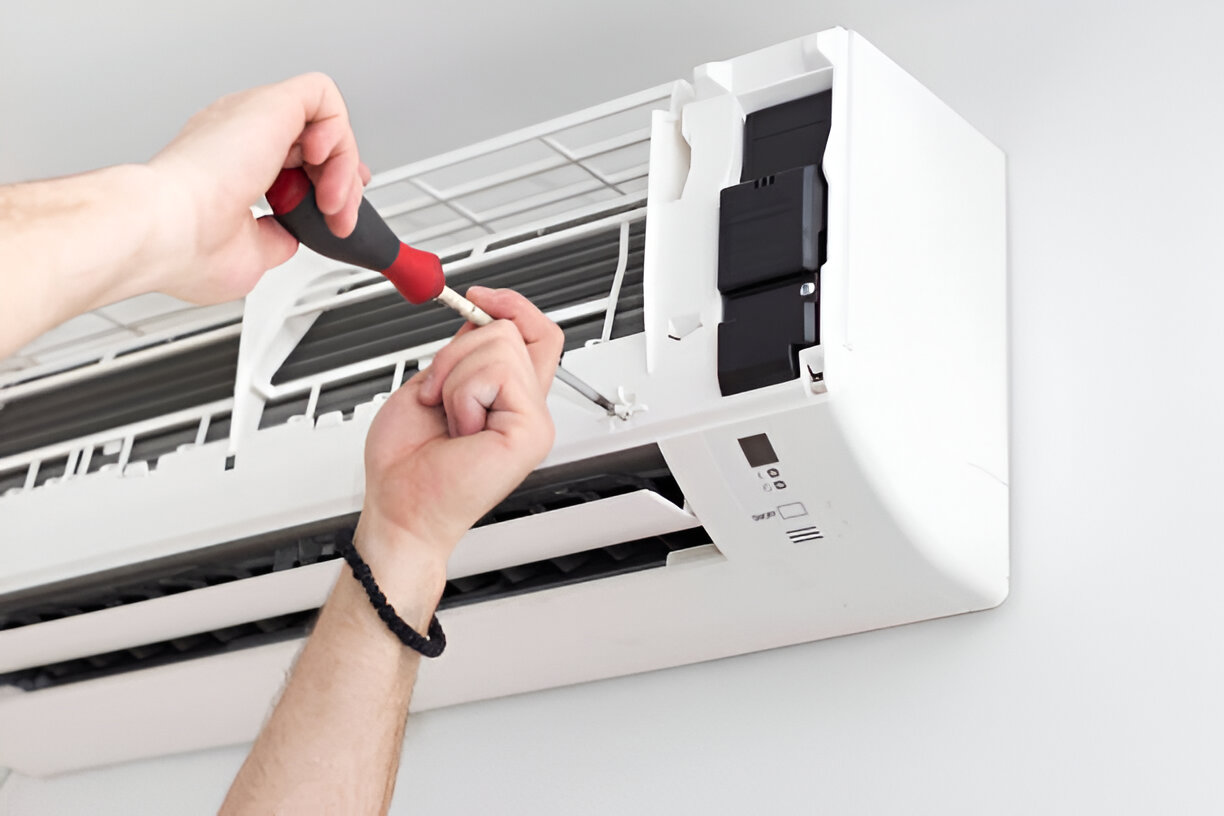
Why replace a mini-split in Lewis Center
Lewis Center experiences humid summers and cold winters. Mini-split heat pumps that are aging or underperforming can raise energy bills, struggle to dehumidify, or lose capacity in the cold. Common triggers for replacement include frequent compressor failures, major refrigerant leaks, repeated electronic board faults, diminishing efficiency, and systems installed more than 10 years ago. Replacing a worn mini-split improves comfort in high-use zones like additions, sunrooms, and finished basements and delivers better efficiency for homes without ductwork.
Common mini-split replacement scenarios
- Multi-head systems failing in one or more zones
- Single-head units with legacy R-22 refrigerant or leaking refrigerant
- Units with repeated compressor or inverter failures
- Systems undersized for a remodeled or expanded space
- Desire to upgrade to high-efficiency heat pump technology for lower operating costs and improved dehumidification
How technicians assess system condition and load requirements
- Visual inspection: Evaluate indoor and outdoor unit condition, line sets, electrical disconnects, and drain routing.
- Performance testing: Measure refrigerant pressures, superheat/subcooling, airflow, and operating amperage to identify hidden faults.
- Manual J load calculation: Accurately size replacement equipment based on house orientation, insulation, window area, occupancy, and local design conditions for Lewis Center (humidity and winter design temps are considered).
- Zoning review: Determine whether the existing number of indoor heads meets current needs or if reconfiguration will improve comfort and efficiency.
Equipment selection criteria
Choosing the right replacement depends on capacity, efficiency, controls, and brand reliability.
- Capacity: Specified in BTU/h per indoor head and matched to load calculation results. Avoid oversizing; it causes short cycling and poor dehumidification.
- Efficiency ratings: Look at SEER and HSPF (or SEER2/HSPF2 for newer standards) for cooling and heating efficiency, plus EER or IPLV where relevant.
- Inverter technology: Variable-speed inverter compressors provide better modulation, quieter operation, and more consistent comfort than fixed-speed units.
- Brand options: Reliable manufacturers offer parts availability and established warranties. Your technician will recommend models that balance performance, cost, and local serviceability.
- Controls and integration: Consider smart thermostats, wireless controllers, or zoning management for multi-head systems to maximize energy savings and convenience.
Removal and disposal of old units
- Refrigerant recovery: EPA-compliant recovery of refrigerant is mandatory. Technicians will evacuate and reclaim refrigerant before removing equipment.
- Safe dismantling: Indoor and outdoor units, line sets, and wall sleeves are removed carefully to avoid damage to finishes and landscaping.
- Responsible disposal: Old equipment is disposed of or recycled according to state and local requirements to ensure environmental compliance.
Permit and electrical considerations in Lewis Center
- Building permits: Many municipalities require permits for HVAC replacements, especially if refrigerant lines, electrical work, or new mounting locations are involved. Permit processing times vary by township.
- Electrical service: Mini-splits typically need a dedicated circuit and a properly sized disconnect. Older panels may require upgrades to accommodate new unit amperage.
- Panel capacity and wiring: Technicians evaluate service capacity and may recommend subpanels, circuit upgrades, or conduit for long line-set runs.
- Inspectors: Local inspection may be required after installation. Scheduling and passing inspections are accounted for in the project timeline.
Typical installation timeline
- Assessment and proposal: One inspection visit for load calculation and site review.
- Equipment ordering: Lead times vary by model; commonly from a few days to a few weeks.
- Installation day(s): Simple single-head replacements often complete in one day. Multi-head system replacements or complex reconfigurations typically take 1 to 3 days, plus any additional days needed for electrical upgrades or inspection scheduling.
- Final testing and walkthrough: System commissioning, controls setup, and homeowner orientation completed on final day.
Financing and rebate options
- Financing: Many homeowners use financing to spread replacement costs over time. Options typically include low-interest plans and flexible monthly terms.
- Rebates and incentives: Federal tax credits for qualifying heat pump equipment, state and local utility incentives, and manufacturer promotions can reduce upfront cost. Availability and qualification criteria change over time, so check current programs when planning a replacement.
Warranty and service protections
- Manufacturer warranties: New mini-split equipment commonly includes parts and compressor warranties that range from limited 5-year coverage to extended 10-12 year compressor warranties for qualifying registrations.
- Labor warranty: Professional installation often includes a labor warranty covering workmanship for a specified period. Confirm the length and scope before proceeding.
- Maintenance plans: Regular maintenance extends equipment life and preserves warranty eligibility. Seasonal tune-ups keep refrigerant charge, airflow, and controls in optimal condition.
Expected energy and comfort benefits after replacement
- Improved efficiency: Modern inverter-driven mini-splits typically use significantly less energy than older units, which can translate to noticeably lower utility bills in Lewis Center’s summer and shoulder seasons.
- Better temperature consistency: Variable-speed compressors and improved controls reduce temperature swings and provide quieter, gentler operation.
- Enhanced dehumidification: Properly sized systems control humidity more effectively, improving comfort during hot, humid Ohio summers.
- Zone-specific comfort: Replacing a failing system restores precise control for bedrooms, additions, and living spaces without the energy waste of whole-house conditioning.
Post-replacement maintenance and tips
- Schedule annual or biannual tune-ups to check refrigerant, clean coils, and verify controls.
- Keep outdoor unit clear of debris, mulch, and snow to maintain airflow.
- Replace or clean indoor filters regularly to preserve airflow and indoor air quality.
- Monitor system performance and utility usage to confirm expected efficiency gains.
Replacing a mini-split in Lewis Center, OH is more than swapping hardware; it is a calculated upgrade that restores reliable comfort, lowers operating costs, and aligns equipment selection with local climate demands. A properly scoped replacement that includes load calculation, compliant refrigerant handling, correct electrical work, and professional commissioning delivers the best long-term value and peace of mind for your home.
Hot Deals & Cool Savings

.webp)
New Service Agreement Membership
.webp)
Any New Client Service
Next Service for Referring a New Client
New Service Agreement Membership
Any New Client Service
Next Service for Referring a New Client
.webp)
.webp)

Service Areas
