
Expert Mini-Split Service In Columbus, OH
Ductless mini splits offer zoned comfort without invasive ductwork. Ideal for additions or efficiency upgrades by our experts.

Why a mini-split is a smart choice for Columbus homes
- Precise zone control for individual rooms or levels, lowering energy use when whole-house conditioning is unnecessary.
- Efficient year-round performance with ductless heat pump models that both cool in summer and heat in winter.
- Minimal installation impact, indoor units mount on walls or ceilings and connect to an outdoor compressor with small refrigerant lines.
- Improved indoor air quality by avoiding dust and losses from ductwork while offering high-efficiency filtration options.
- Quick retrofit solution for older Columbus neighborhoods where installing ducts is costly or impractical.
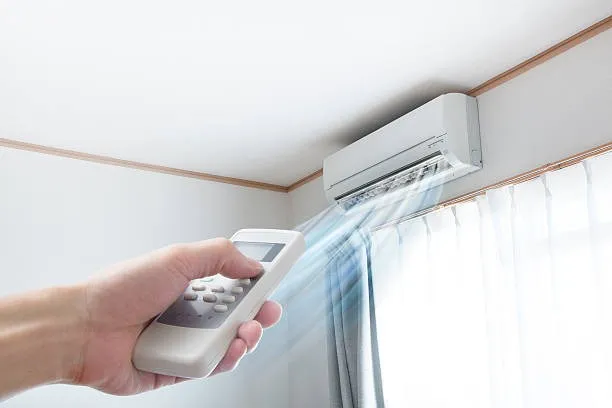
Single-zone vs multi-zone: how to choose
Consider these factors when deciding between a single-zone mini-split and a multi-zone system:
- Space and layout: Single-zone systems work well for a single room, garage conversion, or sunroom. Multi-zone systems cover multiple bedrooms, living areas, or whole floors with one outdoor unit and several indoor heads.
- Usage patterns: If you only need comfort control in one room for long periods, single-zone is most cost-effective. If several rooms are used regularly at different times, multi-zone provides flexible control and lower long-term operating costs.
- Home construction: Homes with multiple exterior walls or separated living spaces generally benefit from multi-zone systems to avoid temperature imbalances.
- Future flexibility: Multi-zone systems allow adding indoor units later (within the outdoor unit’s capacity), which can be helpful for phased renovations.
- Aesthetics and placement: Indoor head styles vary (wall-mounted, low-profile, floor-mounted, and ceiling cassette) so choose based on room layout and décor.
Professional installation: what to expect
A licensed HVAC technician will follow a clear process to ensure safe, efficient performance:
- Site survey and load calculation - Perform a Manual J style assessment to size units based on room square footage, insulation, window orientation, and Columbus climate conditions. Proper sizing prevents short cycling and comfort issues.
- System selection and layout planning - Determine single vs multi-zone configuration, indoor head types, and ideal placement for both indoor and outdoor units.
- Indoor unit placement - Mount indoor heads high on walls or recessed in ceilings for even airflow. Avoid placing heads directly above heat sources, stoves, or humid areas without proper drainage considerations.
- Outdoor unit placement - Install the compressor on a stable pad with clear airflow, away from heavy snowdrift paths and not against a bedroom window. Ensure adequate clearance for maintenance and winter airflow.
- Refrigerant and electrical connections - Run refrigerant lines, condensate drain, and 240/120V power per local code. Certified technicians pressurize, evacuate, and charge refrigerant to factory specifications.
- Commissioning and controls - Balance airflow, check system pressures, verify defrost cycles, and program remote thermostats or smart controls. Demonstration of operation and care for the homeowner completes the visit.
Common troubleshooting and repair issues
Recognizing common issues helps you evaluate when professional service is needed:
- Weak airflow from the indoor head: Often caused by dirty filters, blocked condensate drains, or failing blower motors.
- Insufficient cooling or heating: Could result from incorrect sizing, low refrigerant, clogged coils, or electrical faults.
- Frozen indoor or outdoor coils: Typically caused by restricted airflow, refrigerant imbalance, or dirty coils.
- Water leaks from indoor units: Usually a clogged condensate line or improperly pitched drain pan.
- Unusual noises or vibration: Loose mounting, failing fan motors, or refrigerant flow noises signal inspection.
- Frequent cycling or short cycling: May indicate oversized equipment, refrigerant issues, or control faults.
Technicians will diagnose using pressure gauges, electrical testing, and airflow measurements to target repairs accurately.
Maintenance recommendations to maximize life and efficiency
Regular maintenance reduces breakdowns and keeps systems efficient in Columbus’s seasonal climate:
- Clean or replace filters every 1-3 months depending on use and indoor air conditions.
- Annual professional tune-up including coil cleaning, refrigerant check, electrical inspection, and condensate drain clearing.
- Keep outdoor units free from debris, snow drifts, and vegetation; ensure airflow around the compressor year-round.
- Monitor for leaks, unusual sounds, or performance drops and schedule service promptly—timely repair preserves efficiency.
- Consider a seasonal inspection before heavy summer cooling and before the heating season to verify defrost operation and controls.
Repair and replacement considerations
When evaluating repair vs replacement:
- Age of the system: Older units nearing the end of manufacturer life cycles may be less cost-effective to repair.
- Frequency and cost of repairs: Repeated refrigerant leaks, compressor failures, or expensive part replacements often justify replacement.
- Efficiency improvements: Newer multi-zone inverter-driven models can offer substantial efficiency gains and quieter operation.
- Integration: Replacing with a properly sized modern system can enable smart controls and zoning strategies to cut operating costs.
Typical costs and financing options
Mini-split costs vary by system type, capacity, number of zones, indoor head styles, and installation complexity. Expect a range from entry-level single-zone installs up to larger multi-zone configurations with multiple indoor heads and upgrades. Factors that influence cost include line set lengths, wall/ceiling penetrations, electrical upgrades, and accessibility for outdoor unit placement.
Financing options commonly available through HVAC service providers and manufacturers include:
- Flexible financing plans that spread equipment and installation costs over time.
- Manufacturer promotional financing on select models.
- Local utility or state energy efficiency rebates for qualified high-efficiency systems.
Discussing financing alternatives and potential incentives with a licensed installer helps match system choice to budget and long-term savings goals.
Hot Deals & Cool Savings

.webp)
New Service Agreement Membership
.webp)
Any New Client Service
Next Service for Referring a New Client
New Service Agreement Membership
Any New Client Service
Next Service for Referring a New Client
.webp)
.webp)

Service Areas
