
Mini Split Repair in Lewis Center, OH
Mini split repair in Lewis Center, OH restores comfort quickly. Learn diagnostics, fixes, and schedule service for ductless systems.

Mini Split Repair in Lewis Center, OH
Mini-split repair in Lewis Center, OH focuses on restoring comfort quickly and reliably for homes using ductless systems. Whether your wall-mounted indoor unit is blowing weak air, the outdoor condenser won’t start, or the unit has an error code, timely diagnosis and repair prevent bigger failures and higher energy bills. Lewis Center experiences hot, humid summers and cold winters; that seasonal swing makes properly functioning mini-splits especially important for year-round comfort and efficiency in local homes, additions, finished basements, and sunrooms.
Common mini-split problems in Lewis Center homes
Most service calls stem from a handful of recurring issues. Knowing these helps you spot problems early.
- Compressor or inverter faults
- Symptoms: outdoor unit not running, frequent cycling, error codes on indoor controller
- Causes: power surges, age-related component failure, poor airflow causing overload
- Refrigerant leaks or low refrigerant
- Symptoms: poor cooling/heating performance, ice on evaporator coil, hissing sounds
- Causes: corrosion at fittings, physical damage to line set, factory defects (rare)
- Fan or blower failures
- Symptoms: weak airflow, unusual noises, indoor unit not blowing consistently
- Causes: motor failure, worn bearings, debris in fan housing
- Control, thermostat, or communication issues
- Symptoms: remote or wall control not responding, units not syncing, error codes
- Causes: wiring problems, failed PCB (printed circuit board), weak batteries
- Drainage and condensate problems
- Symptoms: water leaks from indoor unit, overflowing drain pan, musty odors
- Causes: clogged condensate lines, improper slope, biological growth
- Electrical problems
- Symptoms: intermittent operation, tripped breakers, burnt connectors
- Causes: loose wiring, capacitor failure, contactor wear
Diagnostic process — what a technician will do
A clear, methodical diagnostic typically takes 45 to 90 minutes for a single indoor/outdoor pair and includes:
- Visual inspection of indoor and outdoor units for obvious damage or blockages.
- Reading and recording error codes from the indoor display or remote.
- Checking electrical supply, fuses, breaker, and control wiring.
- Measuring refrigerant pressures and temperatures to confirm charge condition.
- Testing blower motor and outdoor fan operation and amp draw.
- Inspecting line set, fittings, and access valves for signs of leaks or corrosion.
- Verifying condensate drain lines and drainage slope.
- Running the system under load to reproduce symptoms and validate findings.
A detailed diagnostic report will explain the root cause, recommended repairs, parts needed, estimated labor hours, and cost range.
Typical repair procedures and parts replaced
Most repairs fall into straightforward categories. Common procedures and parts include:
- Refrigerant leak repair and recharge
- Locate and repair leak, replace faulty line or fitting, evacuate and recharge with correct refrigerant.
- Fan motor or blower replacement
- Remove fan assembly, install new motor or wheel, test airflow and vibration.
- Inverter board or PCB replacement
- Replace failed control board, update firmware if applicable, confirm communication between units.
- Compressor replacement or major outdoor repairs
- When compressor or hermetic failure occurs, replacement is intensive and may include new dryer, oil, and refrigerant.
- Electrical repairs
- Replace relays, capacitors, contactors, and repair or tighten wiring and terminals.
- Drain cleaning and condensate pump service
- Clear blockages, sanitize drain pan and lines, replace faulty pumps.
Typical parts lifespan: filters and condensate components need attention annually; fan motors and control boards commonly last 8 to 12 years depending on use and conditions.
Estimated response times and cost ranges
Response and cost vary with availability, season, and severity.
- Response times
- Same-day or next-business-day for non-emergency diagnostics during normal business hours.
- Emergency or after-hours service options for systems that leave a home unconditioned in extreme heat or cold.
- Cost ranges (approximate)
- Diagnostic visit and basic troubleshooting: $75 to $150
- Refrigerant leak repair and recharge: $200 to $800 depending on leak location and refrigerant amount
- Fan motor replacement: $150 to $450 including labor
- Control board or inverter replacement: $400 to $1,200 depending on model
- Compressor replacement or major outdoor repairs: $800 to $3,000+ (may approach replacement cost for older units)
These ranges are intended to set expectations. Final pricing depends on make and model, part availability, and job complexity.
Warranty and guarantee information
Standard practices for repairs typically include:
- Manufacturer warranties
- Many parts remain under the original manufacturer warranty for a set period; check your unit’s documentation before repair.
- Labor warranty
- Repair labor warranties commonly range from 30 to 180 days depending on the service provider and repair type.
- Parts warranty
- New components often carry a parts warranty from the manufacturer or supplier, commonly 1 to 5 years for major components.
Confirm warranty terms for both parts and labor before proceeding with repairs. Proper documentation of service and parts installed helps when filing warranty claims.
Emergency repair options
In Lewis Center’s summer humidity and winter cold, emergency failures can make a home uncomfortable quickly. Emergency options typically include:
- Priority dispatch outside normal hours for unsafe or severe comfort loss.
- Temporary repairs to restore operation until parts arrive.
- Portable heating or cooling recommendations while waiting for major repairs.
Emergency response availability and additional fees vary; homeowners should inquire about after-hours service policies and emergency guarantees.
When to repair vs replace
Deciding between repair and replacement depends on age, frequency of failures, and efficiency goals.
Repair is recommended when:
- The unit is under 8 years old and the repair restores reliable function.
- The issue is isolated (fan motor, control board, minor leak) and cost is less than about 50 percent of a new replacement.
- Manufacturer warranty covers the failed component.
Replacement should be considered when:
- The mini-split is older than 10 to 12 years and facing major failures like repeated compressor or inverter replacements.
- Repairs are frequent or cumulative repair costs exceed roughly 50 percent of replacement cost.
- The unit uses older refrigerants or has poor seasonal performance; new cold-climate heat pump models provide better winter performance and higher efficiency that can lower utility bills in Lewis Center’s cold months.
Upgrading to a modern, higher-efficiency ductless heat pump often improves comfort in both summer humidity and cold winter temperatures while lowering operating costs over time.
Maintenance to avoid future repairs
Preventive care reduces breakdowns and prolongs system life:
- Schedule annual or biannual maintenance before cooling and heating seasons.
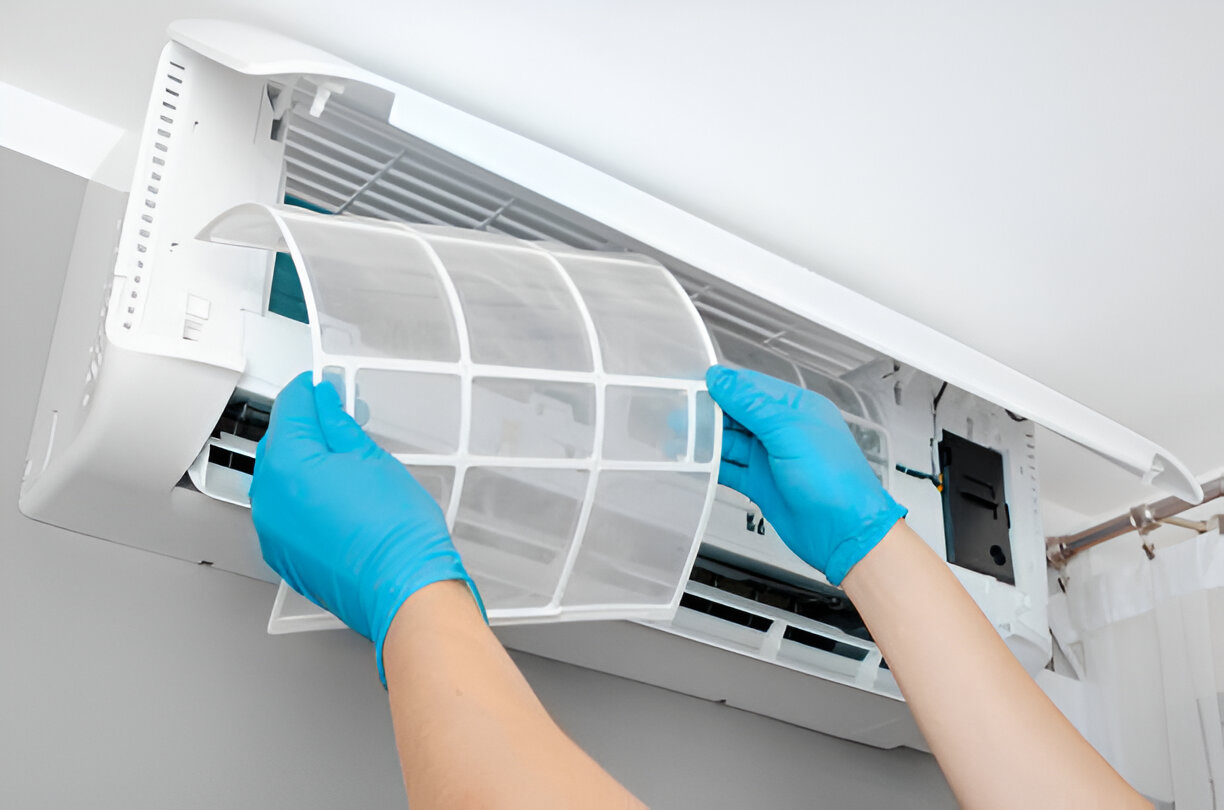
- Clean or replace indoor filters regularly; washable filters should be cleaned monthly in heavy use.
- Keep outdoor unit clear of vegetation, leaves, and snow.
- Ensure condensate lines are clear and sloped correctly.
- Watch for early signs like reduced airflow, strange sounds, or frequent cycling and act quickly.
Regular maintenance in Lewis Center’s climate prevents humidity-related issues in summer and helps ensure reliable heating performance during cold snaps.
Repair-ready, informative service keeps ductless systems running efficiently and reliably. Proper diagnosis, timely repairs, clear warranty terms, and routine maintenance are the best combination for long-term comfort in Lewis Center, OH homes.
Hot Deals & Cool Savings

.webp)
New Service Agreement Membership
.webp)
Any New Client Service
Next Service for Referring a New Client
New Service Agreement Membership
Any New Client Service
Next Service for Referring a New Client
.webp)
.webp)

Service Areas
