
Mini Split Tune-Up in Franklinton, OH
Professional Mini Split Tune-Up in Franklinton, OH to improve efficiency, extend equipment life, and prevent mid-season failures. Schedule today.

Mini Split Tune-Up in Franklinton, OH
A seasonal or annual mini-split tune-up keeps your ductless system running reliably, efficiently, and quietly through Franklinton’s humid summers and cold Ohio winters. A professional tune-up goes beyond a quick filter swap: it uncovers small issues before they become expensive failures, restores rated efficiency, and helps extend the life of your indoor and outdoor units. For homeowners in Franklinton — where older buildings, urban dust, and seasonal humidity place extra strain on HVAC equipment — a focused mini-split tune-up is one of the best investments you can make in home comfort and lower utility bills.
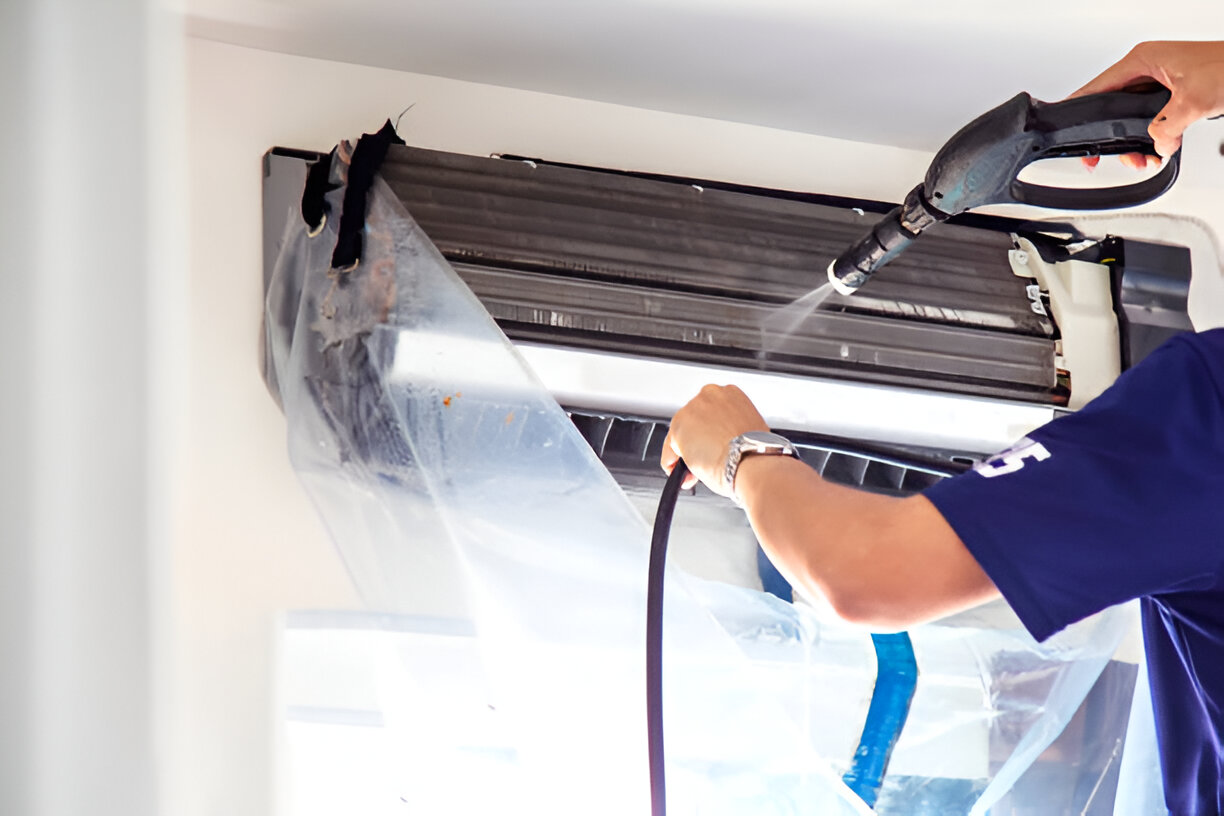
What a complete mini-split tune up includes
A thorough tune up inspects and tests every major component of your ductless system. Typical tasks performed during a comprehensive service appointment include:
- System inspection of indoor and outdoor units, wall mounts, refrigerant lines, and covers for signs of wear, corrosion, or damage
- Refrigerant level check and pressure testing to identify undercharge, overcharge, or leaks (with gauges and leak-detection tools)
- Airflow measurements and delta-T (temperature split) testing across the evaporator coil to verify proper capacity and airflow
- Thermostat and control calibration including remote sensors, wall controllers, and communication between indoor/outdoor units
- Electrical inspection of contactors, capacitors, breakers, and wiring torque to ensure safe, reliable operation
- Lubrication of accessible fan bearings and moving parts where serviceable
- Coil and filter service: cleaning or recommending coil treatments and replacing or advising on filter media for indoor units
- Condensate drain check and cleaning to prevent clogs and water damage
- Safety checks including compressor amp draw, high/low pressure switch operation, and checking for unusual vibration or noise
- Performance tuning and recommendations such as reversing valve checks for heat pumps, balancing multi-zone systems, or scheduling repairs if needed
Why Franklinton homes need regular mini-split tune ups
Franklinton’s climate and urban environment create conditions that accelerate wear on ductless systems:
- Hot, humid summers increase run times and stress compressors, making refrigerant and airflow problems more likely.
- Winter temperature swings and occasional freezing nights can impact heat-pump operation and defrost cycles.
- Older homes and renovations common in Franklinton may have retrofit installations where line sets and wall penetrations need inspection.
- Urban dust, pollen, and construction activity in central Columbus neighborhoods deposit debris on outdoor coils and indoor filters, reducing performance.
Regular tune ups tuned to local conditions keep systems operating at peak performance and reduce the chance of mid-season failures.
Common mini-split issues seen during tune ups in Franklinton
- Dirty evaporator or condenser coils causing reduced cooling/heating capacity
- Restricted condensate drains and pan overflow leading to indoor water staining or system shutdowns
- Refrigerant undercharge from small leaks — reduced efficiency and potential compressor damage if left unresolved
- Incorrect airflow (low fan speed, clogged filters) producing low delta-T and reduced dehumidification in summer
- Sensor or thermostat drift causing short cycling or poor temperature control
- Loose electrical connections, worn capacitors, or failing fan motors creating reliability and safety concerns
The tune-up process — what technicians check and why it matters
- Visual and mechanical inspection: look for physical damage, secure mounts, and debris around the outdoor unit. This catches installation issues and environmental damage early.
- Electrical safety and performance testing: measure voltage and amperage to ensure the compressor and fans draw within manufacturer specifications; tighten and secure connections. This prevents electrical failures and improves safety.
- Refrigerant and pressure diagnostics: attach gauges to measure suction and discharge pressures, evaluate refrigerant charge, and perform leak-detection if pressures are abnormal. Correct charge preserves capacity and avoids costly compressor replacement.
- Airflow and temperature testing: measure airflow or perform a delta-T test across the coil to confirm correct refrigerant flow and fan performance. Proper airflow ensures comfort and dehumidification.
- Coil and filter service: clean accessible coils and recommend or install filters; remove debris from the outdoor coil to restore heat transfer efficiency. Clean coils lower energy use and reduce strain on the compressor.
- Condensate and drain inspection: clear clogs and verify proper drain slope and pan condition to prevent indoor water issues.
- Control calibration and operational test: check remotes, wall controllers, mode switching, and multi-zone balancing; run the system to verify normal operation in heating and cooling modes. A calibrated control system reduces cycling and improves comfort.
Typical duration: a single indoor/outdoor mini-split pair usually requires about 60–90 minutes for a full tune up. Multi-zone systems with several indoor heads commonly take 90–180 minutes depending on accessibility and findings.
After the inspection — reports and recommendations
After a tune up you should receive:
- A concise service report that lists observations, measured values (pressures, delta-T, amp draw), and any deviations from recommended parameters.
- Clear recommendations prioritized by urgency (safety items first, efficiency improvements next). Common recommendations include refrigerant leak repair, condensate line servicing, fan motor replacement, or follow-up monitoring for intermittent issues.
- An estimated service life or replacement timeline if the system shows age-related decline. This helps plan budgets and avoid unexpected failures.
If a refrigerant leak or major repair is identified, proper repair and re-test procedures are required before returning the system to full service.
How often and when to schedule a tune up
- Annual tune ups are recommended for most mini-splits. In Franklinton’s climate, many homeowners choose a spring tune up for cooling readiness and a fall tune up if the system is used for heating (heat pump mode).
- Systems with heavy use, those older than 8–10 years, or units exposed to construction/urban debris may benefit from semiannual inspections.
Booking tips — what information to have ready
When scheduling a professional tune up, have these details available to help the technician prepare:
- Mini-split brand, model number, and the approximate age of each indoor and outdoor unit
- Number of indoor heads and whether the system is single- or multi-zone
- Any recent symptoms (noises, reduced cooling, water leaks, thermostat issues) and when they occur
- Accessibility notes (tight stairwells, high walls, locked gates) that affect appointment time
Benefits of regular mini-split tune ups
- Improved energy efficiency and lower operating costs through restored heat transfer and proper refrigerant charge
- Better comfort with consistent temperatures, humidity control, and quieter operation
- Fewer emergency repairs and longer equipment life by catching issues early
- Safer operation by identifying electrical hazards or failing components before they cause damage
A properly performed mini-split tune up is practical protection for Franklinton homes that rely on ductless systems for reliable year-round comfort. Regular inspections and documented test results give homeowners clarity about system condition and help avoid the inconvenience and expense of unexpected breakdowns.
Hot Deals & Cool Savings

.webp)
New Service Agreement Membership
.webp)
Any New Client Service
Next Service for Referring a New Client
New Service Agreement Membership
Any New Client Service
Next Service for Referring a New Client
.webp)
.webp)

Service Areas
