
Mini Split Repair in Franklinton, OH
Mini Split repair services in Franklinton, OH. On-site diagnostics, proven fixes, transparent pricing, and urgent repair options. Schedule your service today.

Mini Split Repair in Franklinton, OH
Ductless mini-split systems are a popular choice in Franklinton homes and apartments because they deliver efficient zone comfort without ductwork. When a mini-split stops performing — whether it is failing to cool on a hot humid Columbus summer day or struggling to heat during a cold snap — it quickly becomes a high-priority repair.
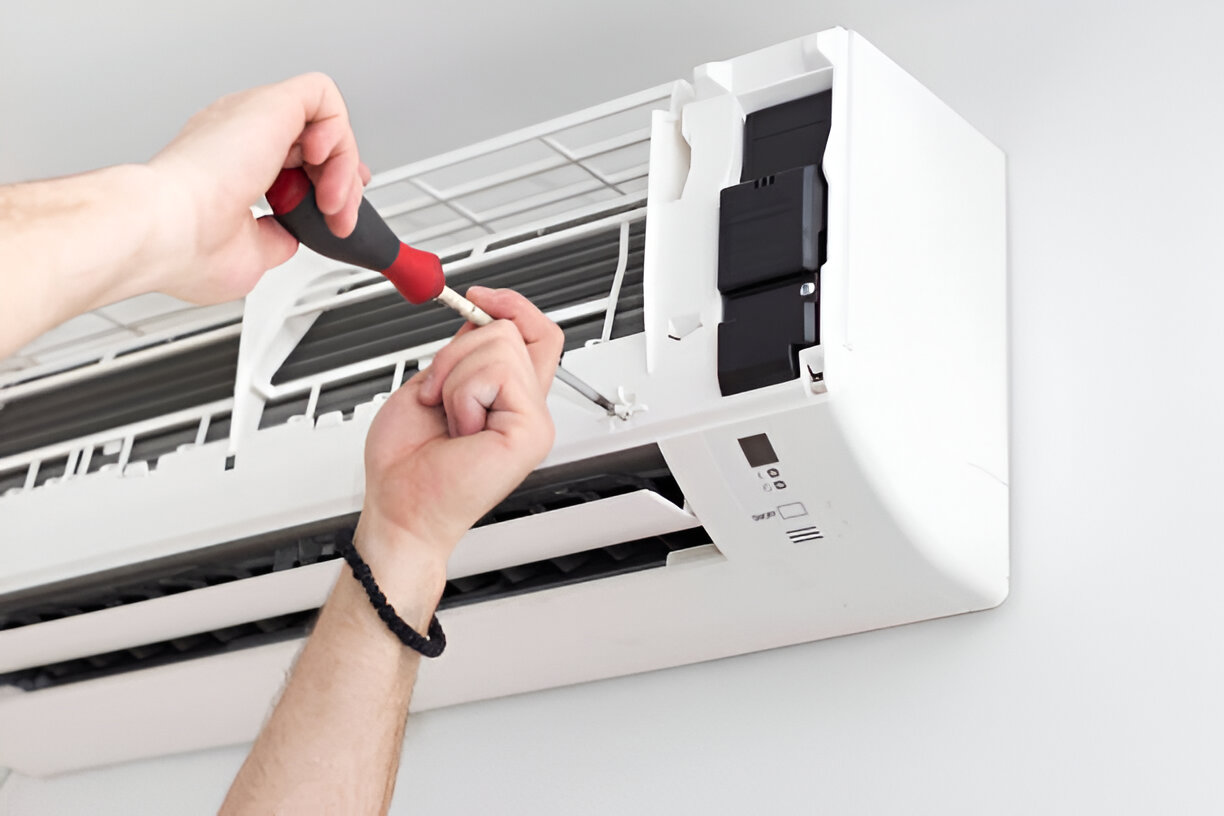
Common mini-split problems in Franklinton homes
- No cooling or heating: Unit runs but air is not reaching setpoint, or system cycles on and off without effect.
- Weak or no airflow: Indoor blower is slow or silent even when the compressor runs.
- Strange noises: Grinding, rattling, or high-pitched squeals from indoor or outdoor units.
- Refrigerant leaks or low refrigerant: Ice on lines, hissing sounds, or loss of cooling capacity.
- Electrical faults: Blown fuses, tripped breakers, or control board failures.
- System freeze-ups: Evaporator coils icing over during cooling mode.
- Unpleasant odors or excess moisture: Moldy smells from indoor unit or clogged condensate drains.
- Error codes or remote control failures: Displayed fault codes or communication issues between indoor and outdoor units.
Franklinton’s humid summers and older building stock can accelerate coil fouling and condensate problems. Urban dust and construction nearby often clog filters faster, so these local factors are frequent contributors.
On-site diagnostic steps technicians follow
- Initial customer interview: Confirm symptoms, when they started, and any recent events (power outages, construction, flooding).
- Visual inspection: Check indoor and outdoor units for damage, debris, blocked airflow, and drain issues.
- Electrical checks: Test voltage, fuses, breakers, capacitors, and control board connections for faults.
- Refrigerant and pressure testing: Measure system pressures and superheat/subcooling to find leaks or undercharge.
- Airflow and blower evaluation: Measure static pressure, blower motor performance, and filter condition.
- Thermostat and control diagnostics: Verify settings, remote batteries, sensors, and communication wiring.
- Leak detection when needed: Use electronic leak detectors, UV dye, or soap testing to locate refrigerant loss.
- Report and estimate: Present findings, immediate safety steps, and a written repair estimate or options.
Most diagnostic visits include a prioritized list of repairs and an estimated timeframe for completion. In Franklinton properties where access can be tight, technicians will note any special tools or permits required.
Typical repair procedures and parts commonly replaced
- Filter and coil cleaning: Restores airflow and efficiency; often the first corrective step.
- Drain and condensate repair: Clear or replace clogged drain lines and condensate pumps.
- Fan motor or blower wheel replacement: For weak airflow or noisy operation.
- Capacitors and relays: Replace failed start/run components that prevent compressor or fan operation.
- Compressor replacement or motor repairs: Major repair when the outdoor unit fails; may require recovery of refrigerant and brazing.
- Refrigerant leak repair and recharge: Locate and repair leak, vacuum system, and recharge to manufacturer spec.
- Reversing valve or expansion device replacement: Fixes heating/cooling mode faults or erratic performance.
- Control board, inverter drive, or sensor replacement: Addresses electronic faults and error-code issues.
- Line set repairs and brazing: Repair or replace damaged refrigerant lines; may require evacuation and recharge.
- Thermostat or remote sensor replacement: Restores proper temperature control and communication.
Replacements may use manufacturer OEM parts when available, and certified refrigerant handling procedures are followed during any refrigerant work.
Technician qualifications and safety standards
- EPA 608 certification for refrigerant handling is required and standard.
- Manufacturer training on major mini-split brands and inverter systems ensures proper diagnostics and warranty-friendly repairs.
- Technicians carry multimeters, refrigerant gauges, leak detectors, vacuum pumps, and refrigeration tools for on-site repair.
- Experience working in older urban homes and tight installations typical of Franklinton, including safe access around stairs, alleys, and limited outdoor clearances.
- Ongoing training in inverter electronics, brazing safety, and condensate remediation best practices.
Emergency response and temporary measures
- Same-day diagnostic visits are commonly available for no-cooling or no-heat emergencies, especially during extreme weather.
- Technicians can perform temporary fixes to restore basic operation: isolating electrical faults, bypassing failed components, or stabilizing refrigerant pressures until full repair.
- For flood-prone areas or recent flooding in Franklinton, technicians will assess water exposure and advise on safe re-commissioning or replacement of wet components.
- If a compressor or major component needs replacement, technicians can recommend safe interim measures and prioritize work based on health and safety.
Pricing expectations and what affects cost
- Repair costs vary widely based on the failed component: filter cleaning and capacitor replacement are lower-cost repairs, while compressor or inverter board replacements are higher-cost.
- Influencing factors include part cost, refrigerant type and quantity, labor time, system accessibility, and system age.
- Older or discontinued models can increase costs due to parts scarcity or the need for compatible retrofit components.
- Most providers perform a diagnostic visit first and provide a written estimate; diagnostic fees are often applied to the final invoice if repairs are approved.
Warranty, service guarantees, and maintenance plans
- Typical coverage includes manufacturer warranties on major components (compressors, motors) and a workmanship warranty on repairs for a defined period.
- Ask for written warranty details on both parts and labor; registration of replaced parts may be necessary to preserve manufacturer coverage.
- Regular preventative maintenance extends equipment life and reduces the likelihood of emergency repairs. Maintenance plans often include inspection, cleaning, priority service, and discounts on repairs.
Preparing for your repair appointment
- Have the system model and serial number handy if possible.
- Clear access to indoor and outdoor units, remove obstacles, and note any recent changes (power trips, unusual noises).
- Make a list of observed symptoms, approximate start time, and any temporary fixes you tried.
- Expect a diagnostic report with recommended repairs, cost options, and an estimated completion timeline.
Timely mini-split repair in Franklinton prevents comfort disruptions, reduces energy waste from inefficient operation, and limits the risk of secondary problems like mold from clogged drains. Addressing issues early is the most cost-effective way to keep ductless systems running reliably through humid Ohio summers and cold winters.
Hot Deals & Cool Savings

.webp)
New Service Agreement Membership
.webp)
Any New Client Service
Next Service for Referring a New Client
New Service Agreement Membership
Any New Client Service
Next Service for Referring a New Client
.webp)
.webp)

Service Areas
