
Mini Split Replacement in Franklinton, OH
Mini Split replacement in Franklinton, OH: learn when replacement is needed, how sizing is evaluated, and how to schedule installation for improved comfort. Learn more.

Mini Split Replacement in Franklinton, OH
An aging or failing mini-split can leave your Franklinton home uncomfortable, noisy, or expensive to run. Mini-split replacement is recommended when repair no longer restores reliable performance or when upgrading yields clear long-term savings and comfort benefits.
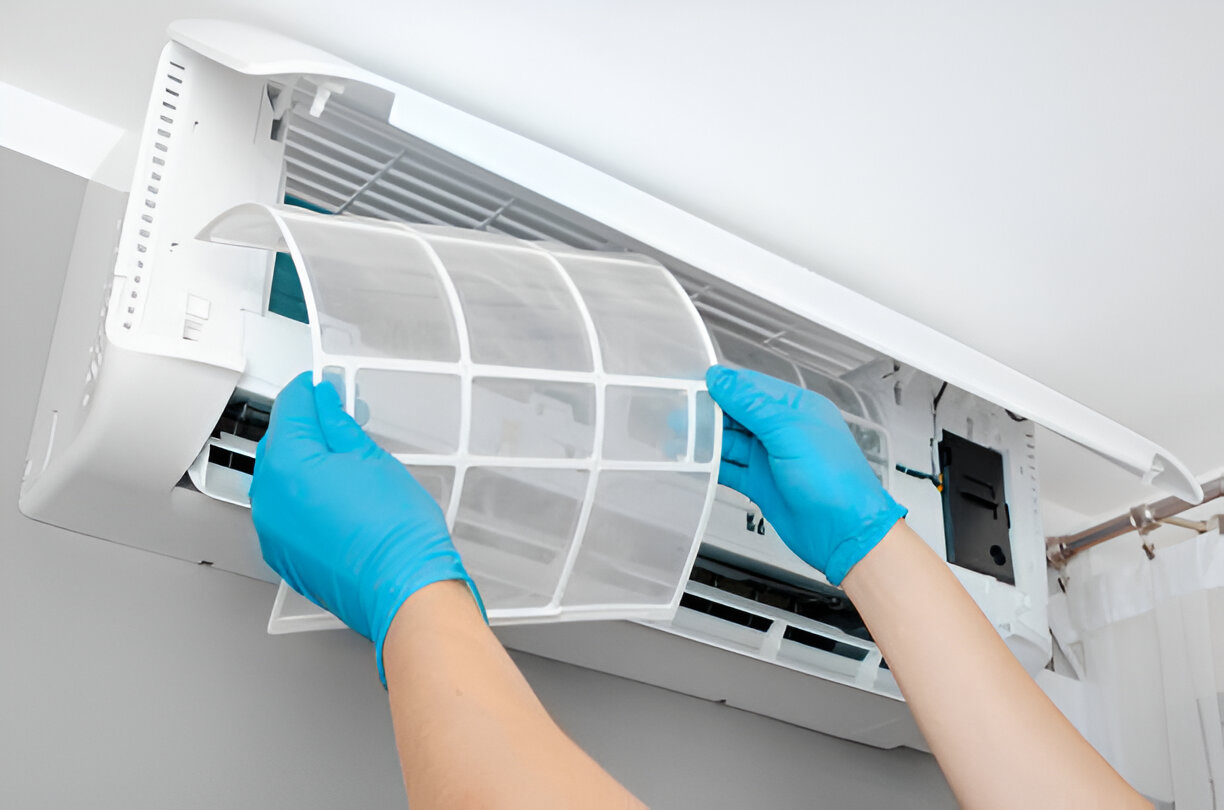
When to Replace Instead of Repair
Replacing a mini-split is usually the best decision when one or more of these conditions apply:
- The system is well beyond typical service life or requires frequent repairs.
- Major components fail repeatedly, especially the compressor.
- The unit uses older refrigerant types that are being phased out and are costly to service.
- Energy bills are consistently high despite repairs and maintenance.
- The existing system cannot maintain comfort across rooms or handle seasonal humidity in central Ohio.
- You want improved heating performance for cold winters or a combined heat pump solution for year-round comfort.
These triggers are particularly relevant in Franklinton, where older homes and urban heat island effects can increase cooling demand in summer while cold winters require reliable heating capability.
Common Mini-Split Problems and Replacement Types
Mini-split systems can exhibit several issues that lead homeowners to consider replacement:
- Loss of cooling or heating capacity
- Frequent compressor cycling or failure
- Leaking refrigerant or access to phased-out refrigerants
- Excessive noise or vibration
- Inefficient operation and high utility costs
- Incompatibility with multi-zone or new layout needs
Replacement options include single-zone mini-splits, multi-zone systems for whole-home coverage, and ductless heat pump models that provide both heating and cooling. Choosing the right type depends on home layout, insulation, and comfort goals.
System Evaluation and Diagnostic Process
A proper replacement begins with a thorough evaluation:
- Home assessment: Inspect building orientation, insulation, attic and basement conditions, window performance, and typical occupancy patterns.
- Load calculation: A heat loss and cooling load calculation determines the correct capacity for each zone. This prevents oversizing or undersizing.
- Existing system review: Check refrigerant type, condition of outdoor unit, and indoor air handlers to identify any reuseable components or access issues.
- Electrical and structural review: Verify electrical panel capacity, conduit routing, and mounting options for outdoor units in tight Franklinton yards or on historic façades.
This diagnostic step ensures the replacement system matches your home and climate needs rather than relying on guesswork.
Unit Selection and Right Sizing
Choosing the right mini-split involves balancing capacity, efficiency, and features:
- Sizing: Proper sizing based on load calculations prevents short cycling and improves comfort. Urban Franklinton homes with small rooms or multi-level layouts often benefit from multiple indoor heads sized per zone.
- Features: Look for variable-speed compressors, enhanced dehumidification, integrated zoning controls, and quiet operation for urban living.
- Heating capability: Select units rated for reliable low-temperature performance to handle Ohio winters without backup heat in moderate cases.
Oversized units cost more to install and can reduce comfort; undersized units struggle during extreme weather.
Energy Efficiency and Brand Options
Energy efficiency matters in both cooling seasons and heating seasons. Consider:
- Efficiency ratings and seasonal performance indicators appropriate for mini-splits.
- Brands with strong local support and parts availability in the Columbus area.
- Models offering inverter-driven compressors for smoother operation and better efficiency in variable loads.
Selecting a reputable brand with a good service network in central Ohio ensures long-term reliability and easier warranty service.
Removal, Disposal, and Compliance
Replacing a mini-split requires safe removal and proper disposal:
- Refrigerant recovery: Certified technicians must recover and dispose of refrigerants in compliance with federal and state regulations.
- Recycling and disposal: Outdoor and indoor unit components are recycled or disposed of according to local environmental rules.
- Permits and inspections: Some Franklinton installations may require permits or follow local codes, particularly for structural mounting or electrical changes.
Proper disposal protects the environment and keeps your installation compliant with Columbus-area regulations.
Installation Timeline and What to Expect
A typical replacement project follows predictable steps:
- On-site evaluation and final equipment selection
- Ordering equipment and scheduling (lead times vary)
- Pre-installation preparation, including electrical or structural work if needed
- Installation day(s): Outdoor and indoor units mounted, refrigerant lines and electrical run, system charged and commissioned
- Final testing and demonstration of controls
Smaller single-zone swaps can often be completed in a day, while multi-zone or complex installs may require multiple visits. Weather and product lead times can affect scheduling in peak seasons.
Cost Drivers and Financing Options
Instead of simple price figures, consider the factors that influence total cost:
- System type and capacity required
- Number of indoor zones and complexity of wall penetrations or mounting
- Electrical upgrades or structural work
- Brand and efficiency level chosen
- Any required permits or inspections
Several financing options are commonly available through local providers, including payment plans and seasonal financing that can spread investment over time. Additionally, energy-efficiency incentives or rebates may apply for qualifying heat pump systems; check local utility and federal programs for eligibility.
Warranties and Protection
Replacement systems come with two main warranty types:
- Manufacturer warranty: Covers key components like compressor and electronics for a set period. Registration may be required to activate full coverage.
- Installer warranty: Covers workmanship and installation-related issues for a defined term.
Review warranty length, what components are covered, and any maintenance requirements to keep warranty protection valid. Ongoing maintenance plans help preserve performance and warranty eligibility.
Expected Performance Improvements
A properly selected and installed mini-split replacement yields measurable comfort and operational benefits:
- More consistent temperatures across rooms and zones
- Improved humidity control during hot, humid summers
- Quieter operation and reduced vibration compared to older units
- Better energy efficiency and lower operating costs when sized and installed correctly
- Enhanced indoor air comfort with fewer hot and cold spots
For Franklinton homeowners, these improvements translate into year-round comfort, lower seasonal energy variability, and systems better suited to urban home layouts.
Maintenance and Long-Term Care
To protect your investment and maintain warranty coverage:
- Schedule annual professional tune-ups that include refrigerant checks, electrical inspection, and coil cleaning.
- Perform routine filter cleaning or replacement to maintain airflow and efficiency.
- Monitor system performance after seasonal changes and address issues early to avoid larger failures.
Regular maintenance extends equipment life and keeps the system running efficiently for years.
Replacement of a mini-split is a decision that balances up-front investment with long-term comfort, reliability, and energy savings. A careful evaluation and a properly executed replacement tailored to Franklinton homes will deliver consistent year-round comfort and peace of mind.
Hot Deals & Cool Savings

.webp)
New Service Agreement Membership
.webp)
Any New Client Service
Next Service for Referring a New Client
New Service Agreement Membership
Any New Client Service
Next Service for Referring a New Client
.webp)
.webp)

Service Areas
