
Mini Split Installation in Franklinton, OH
Mini split installation experts in Franklinton, OH provide site assessment, sizing, proper mounting, code-compliant hookups, and commissioning. Learn more.

Mini Split Installation in Franklinton, OH
Choosing a ductless mini-split for your Franklinton home is a practical, energy-efficient way to add heating and cooling where traditional ductwork is impractical or costly. Whether you live in an older rowhouse near the riverfront, a renovated warehouse loft, or a compact single-family home, a properly installed mini-split can deliver zoned comfort, lower energy use, and quieter operation.
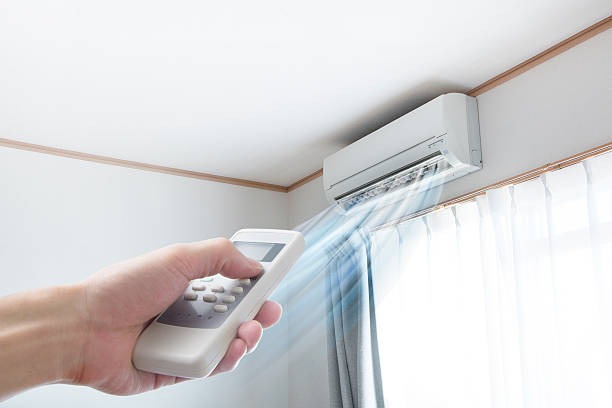
Why Franklinton homes opt for ductless mini-split systems
Franklinton’s mix of historic and newer construction, combined with Columbus’s hot, humid summers and cold winters, makes ductless mini-splits attractive for several reasons:
- Easy retrofit where adding ductwork is disruptive or impossible.
- Zoned heating and cooling for upstairs additions, basements, or single rooms.
- Efficient performance in variable Ohio weather when installed and sized correctly.
- Compact outdoor units that fit on small lots or narrow side yards common in Franklinton.
Common mini-split installation issues in Franklinton
Understanding typical challenges helps set realistic expectations:
- Limited outdoor space for condenser placement on narrow lots or historic façades.
- Older electrical panels that may need upgrading for new circuits.
- Moisture management on basements or low-level installations near the river.
- Historic district restrictions that affect visible exterior installations (check local guidelines).
Initial site assessment
A thorough on-site assessment is the foundation of any successful installation:
- Inspect each conditioned space for load, insulation levels, window exposure, and room use.
- Evaluate potential indoor unit locations for airflow, aesthetics, and wall construction.
- Identify the best outdoor condenser location for airflow, noise mitigation, and service access.
- Check existing electrical capacity and routing paths for refrigerant lines and condensate drains.This step ensures the design fits your home layout and Franklinton site constraints.
Load calculations and system sizing
Proper sizing prevents short cycling, poor humidity control, and wasted energy:
- Technicians use industry-standard load calculations (Manual J or equivalent) to determine heating and cooling requirements for each zone.
- Multi-zone systems are designed so each indoor unit matches the specific room load rather than relying on a one-size-fits-all rating.
- Sizing decisions also account for Columbus weather extremes and local building construction common in Franklinton.
Indoor and outdoor unit placement and mounting
Correct placement maximizes performance and minimizes impact:
- Indoor units: mounted on walls, ceilings, or recessed options depending on room size and aesthetics. Placement avoids direct drafts on seating or beds and ensures unobstructed airflow.
- Outdoor condenser: sited for clearance, serviceability, and minimal visual impact. Small-footprint brackets or pad mounts are used where ground space is limited.
- Line sets and condensate drains are routed discreetly with weatherproof penetrations and insulated refrigerant lines to prevent energy loss.
Refrigerant and electrical hookups
Safety and compliance drive these critical connections:
- Refrigerant lines are run, brazed, and pressure-tested to manufacturer specifications.
- Electrical work includes dedicated circuits, proper disconnects, and grounding to meet local electrical codes.
- Drain lines are routed to appropriate discharge locations, with condensate pumps added when gravity drainage isn’t possible.
Permitting and code compliance in Franklinton / Columbus
Permits and inspections are a routine part of responsible installations:
- Refrigerant handling and electrical hookups typically require permits and final inspections through the City of Columbus or Franklin County authorities.
- Installations in historic areas may need additional review for exterior appearance or mounting methods.
- Adhering to code ensures safety, helps preserve warranties, and simplifies future home sales or inspections.
Commissioning, performance testing, and homeowner orientation
A proper handoff verifies system function and educates the homeowner:
- Commissioning includes leak checks, refrigerant charge verification, airflow testing, and verification of electrical loads.
- Technicians demonstrate zone controls, scheduling, and energy-saving modes so you understand everyday operation.
- Performance testing confirms the system meets the calculated capacity and operates quietly and efficiently in both cooling and heating modes.
Expected timelines
Typical installation timelines vary by system complexity and permitting:
- Single-zone installations (one indoor + one outdoor unit): generally completed in 1 day for straightforward jobs.
- Multi-zone systems (2–4 indoor units): commonly 1–3 days, depending on wall penetrations and line-set routing.
- Larger or complex retrofits, electrical upgrades, or permitting delays can extend the project by several days to a couple of weeks.Allow additional time for permit approvals and any required panel upgrades or structural work.
Warranties and what to expect after installation
Understanding warranty coverage protects your investment:
- Manufacturer warranties commonly cover parts and compressors; durations vary by brand and may extend when equipment is registered.
- Installation labor warranties are typically provided by the installer and commonly cover workmanship for a limited period (often 1–2 years).
- Keep documentation for both equipment and installation warranties and follow recommended service intervals to maintain coverage.
Homeowner maintenance tips for Franklinton weather
Routine care keeps a mini-split efficient year-round:
- Clean or replace indoor filters every 1–3 months depending on use and indoor air quality.
- Keep outdoor units clear of debris, snow, and landscaping; ensure 12–24 inches of clearance for airflow.
- Schedule an annual tune-up before peak cooling season to check refrigerant charge, electrical connections, and drain lines.
- During Ohio winters, allow the system to complete defrost cycles and avoid obstructing outdoor units with snow or ice.
Hot Deals & Cool Savings

.webp)
New Service Agreement Membership
.webp)
Any New Client Service
Next Service for Referring a New Client
New Service Agreement Membership
Any New Client Service
Next Service for Referring a New Client
.webp)
.webp)

Service Areas
