
Mini Split Tune-Up in Downtown Columbus, OH
Mini Split tune-up in Downtown Columbus OH, improve efficiency, prevent breakdowns, and ensure peak performance with professional service.

Mini Split Tune-Up in Downtown Columbus, OH
A seasonal mini-split tune up keeps ductless systems running efficiently, prevents sudden breakdowns, and reduces energy use — critical in Downtown Columbus homes and apartments where space, noise and access constraints make emergency repairs inconvenient. Whether you have a single-zone wall unit in a condo or a multi-head system in a mixed-use building, a professional tune up addresses common wear points and confirms the system is sized and operating correctly for our local climate: hot, humid summers and cold winters with freeze/thaw cycles that affect refrigerant performance and condensate drainage.
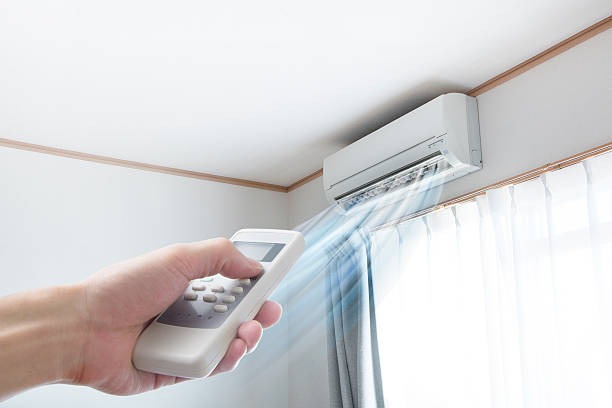
What a Mini-Split Tune Up Covers (Detailed Checklist)
A complete service visit inspects, cleans, tests and documents the condition of both indoor and outdoor components. Typical checklist items include:
- Indoor unit cleaning
- Clean or replace washable filters; inspect for torn or missing filters
- Vacuum and wipe evaporator coil fins; remove dust build-up that reduces heat transfer
- Clean drain pan and clear condensate drain to prevent standing water and microbial growth
- Outdoor unit inspection and cleaning
- Remove debris, leaves and road dust from condenser coils and fan housing
- Straighten bent coil fins and confirm proper coil clearance from walls or balconies
- Check mounting hardware and vibration isolation for secure, quiet operation
- Refrigerant and system integrity
- Visually inspect refrigerant lines and insulation for damage or oil stains that indicate leaks
- Measure refrigerant pressures and temperature differentials to evaluate charge (diagnosis only — any add/recover is performed if required)
- Test for proper defrost cycle operation on heat pump models
- Electrical and safety checks
- Tighten terminal connections at indoor and outdoor units; inspect fuses and disconnects
- Measure voltage and running amperage to identify stressed motors or failing capacitors
- Verify safety switches, ground wiring and condensation overflow protection
- Controls, thermostats and remote communication
- Test remote control/thermostat functions, zone control sequences and timers
- Confirm Wi-Fi or smart control connectivity if installed
- Calibrate setpoints and check for erratic cycling or short-cycling behavior
- Performance measurement and documentation
- Record supply and return air temps to calculate delta-T (temperature split)
- Measure airflow where accessible and note fan speeds or abnormal sounds
- Provide a written summary of measured values and recommended fixes
Typical Duration and What Affects Time on Site
Most single-zone mini-split tune ups take about 45 to 90 minutes when access is straightforward and components are in average condition. Multi-head systems or units with limited rooftop or balcony access can take longer. Factors that extend service time include:
- Excessive dirt buildup requiring deeper coil cleaning
- Restricted access in Downtown Columbus buildings (tight closets, high ceilings, secured rooftops)
- Diagnosing intermittent electrical or refrigerant issues
- Additional tasks such as line set insulation replacement or condensate pump service
Common Problems Found During Tune Ups in Downtown Columbus
Technicians commonly uncover issues that are specific to urban, older, or mixed-use downtown properties:
- Clogged filters and dirty coils — Downtown apartments often accumulate road dust and pollen; clogged coils cut cooling and heating capacity.
- Insulation degradation on refrigerant lines — Exposed or brittle insulation reduces efficiency and may freeze in winter.
- Minor refrigerant leaks — Oil stains or low-pressure readings indicate loss of charge; leaks are more common where linesets run through building exteriors.
- Loose electrical connections and failing capacitors — These are frequent causes of noisy compressors and hard-starting fans in older units.
- Blocked condensate drains or inadequate slope — Limited outdoor drainage or rooftop installations can allow water backup and overflow.
- Improper controls or failing remotes — Signal interference inside concrete or steel-framed downtown buildings can affect communication between heads and the outdoor unit.
Recommended Repairs and Efficiency Improvements After Inspection
Following inspection, recommendations typically prioritize safety, efficiency, and reliability. Common suggestions include:
- Filter replacement or upgrade — Move from basic washable filters to higher-capture models if allergy or indoor air quality is a concern.
- Professional coil cleaning — A deeper cleaning restores heat transfer and improves run time efficiency, reducing humidity load during Columbus summers.
- Refrigerant leak detection and repair — Fix leaks and recharge systems only after locating the source; a properly charged system is essential for winter heating performance.
- Line set insulation replacement — New foam insulation reduces thermal loss and prevents sweating or freezing.
- Electrical component replacement — Replace capacitors, contactors or fan bearings if amperage and voltage readings indicate deterioration.
- Condensate management fixes — Clear, re-route or add reliable condensate pumps where gravity drainage is insufficient.
- Control or remote upgrades — Swap older remotes or add Wi-Fi controls for better scheduling and zone management, improving comfort and reducing runtime.
Why Regular Tune Ups Matter for Downtown Columbus Properties
Regular seasonal tune ups extend equipment life, reduce the risk of mid-season failures, and stabilize energy costs — especially important where rental turnover, building access policies and close quarters can make repairs disruptive. In Downtown Columbus, specific benefits include:
- Better humidity control during humid summer months, improving comfort in tight urban spaces
- Reduced noise and vibration issues in condos and historic buildings where building codes or neighbors are sensitive
- Improved winter performance for heat-pump mini-splits that must manage defrost cycles in freeze/thaw conditions
- Documentation of system health which helps landlords, property managers and owners plan upgrades or budget replacements with minimal surprises
Maintenance Frequency and Practical Tips
- Schedule a tune up at least once per year for standard use; twice per year is recommended for high-use units or systems serving critical spaces.
- Clean or check washable filters monthly during heavy-use seasons and replace disposable filters as specified by the manufacturer.
- Keep outdoor unit areas clear of debris, snow and ice; in winter, ensure defrost cycles run unimpeded.
- Note unusual odors, persistent moisture, or changes in performance between visits and document these for the technician.
A professional tune up provides measurable data and targeted fixes that preserve comfort and reliability in Downtown Columbus environments. Proper seasonal service minimizes surprises, reduces utility waste, and helps your mini-split deliver consistent performance through our humid summers and cold winters.
Hot Deals & Cool Savings

.webp)
New Service Agreement Membership
.webp)
Any New Client Service
Next Service for Referring a New Client
New Service Agreement Membership
Any New Client Service
Next Service for Referring a New Client
.webp)
.webp)

Service Areas
