
Mini Split Repair in Downtown Columbus, OH
Mini-split repair in Downtown Columbus, OH: diagnosis, timelines, pricing, warranties, and emergency service. Schedule now.

Mini Split Repair in Downtown Columbus, OH
Mini-split systems are a common choice in Downtown Columbus, OH homes and condos because they provide efficient, room-by-room temperature control without ductwork. When a ductless mini-split fails, the problem affects comfort, indoor air quality, and energy costs quickly.
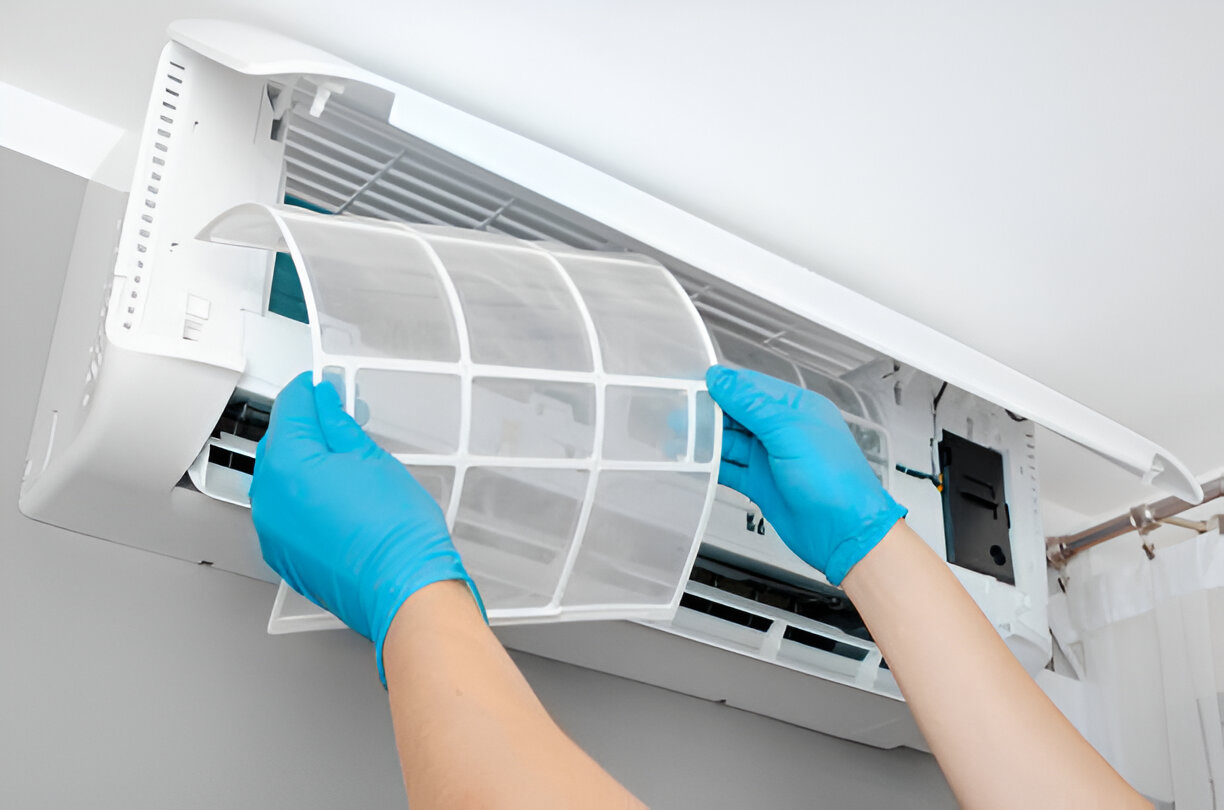
Common mini-split issues in Downtown Columbus
Downtown Columbus conditions - humid summers, cold winters, older buildings and tight mechanical spaces - create a set of recurring mini-split problems:
- Refrigerant leaks
- Symptoms: poor cooling or heating capacity, icing on the evaporator, hissing sounds.
- Causes: corrosion at fittings, damaged line sets in renovation work, failed brazed joints.
- Compressor or outdoor unit failures
- Symptoms: outdoor unit not running, loud clicking or grinding, high electrical draw.
- Causes: motor failure, capacitor or contactor faults, age-related wear.
- Indoor fan or blower problems
- Symptoms: weak airflow, noise from the indoor head, fan not starting.
- Causes: motor failure, debris in blower wheel, damaged capacitor.
- Electrical and control issues
- Symptoms: intermittent operation, no power to units, remote control not communicating.
- Causes: loose wiring, failed control board, transformer or thermostat wiring faults, power surges.
- Drainage and condensate problems
- Symptoms: water dripping inside, clogged condensate drain, foul odors.
- Causes: blocked drain, improper slope, microbial growth in drain pan.
- Sensor and refrigerant balance problems
- Symptoms: temperature swings, short cycling.
- Causes: faulty temperature sensors, low refrigerant charge, incorrect system sizing.
Step-by-step diagnostic process
A reliable repair begins with a thorough diagnostic sequence. Typical steps an experienced technician will follow:
Customer interview
- Confirm symptoms, when problem started, and any recent work or power events.
Visual inspection
- Check indoor heads, outdoor unit, line set, wiring, filter condition, and drip pans.
Electrical tests
- Verify voltage, amperage, capacitor values, contactor function, and safety interlocks.
Refrigeration system check
- Measure suction and discharge pressures, check compressor amp draw and subcooling/superheat as applicable.
Leak detection
- Use electronic leak detectors, soap solution, or UV dye to locate refrigerant leaks.
Airflow and ductless performance
- Measure indoor airflow, confirm evaporator coil condition, and verify fan operation.
Control and communication check
- Test remote and control board signals, check wiring between indoor and outdoor units.
Report and estimates
- Provide a clear diagnosis, repair options, timeline and parts required.
Diagnostics generally take 30 to 90 minutes depending on accessibility and system complexity.
Typical repairs, parts used, and expected timelines
Repairs vary with the fault. Below are common jobs with typical parts and timeframes:
- Refrigerant leak repair and recharge
- Parts: replacement fittings, line set sections, brazing materials, refrigerant (R-410A or newer blends).
- Timeline: 2 to 6 hours for leak repair and system evacuation; longer if line set runs are extensive.
- Compressor replacement
- Parts: OEM or matched compressor assembly, gaskets, filter-drier, refrigerant.
- Timeline: 4 to 8 hours for replacement and system recovery/testing.
- Fan motor or indoor blower repair
- Parts: fan motor, fan blade or fan assembly, capacitor.
- Timeline: 1 to 3 hours for motor swap; may be completed same day if part in stock.
- Control board or sensor replacement
- Parts: control PCB, sensors, connectors.
- Timeline: 1 to 3 hours depending on access; calibration may be required.
- Drain clearance and condensate pump repair
- Parts: condensate pump, drain tubing, antimicrobial treatment.
- Timeline: 30 minutes to 2 hours.
- Full indoor or outdoor unit replacement
- Parts: matched mini-split indoor head or outdoor condenser, new line set if necessary.
- Timeline: Partial-day to full-day installation; may require multi-day if permits or structural work needed.
Technicians in urban settings may need additional time for carrying equipment, accessing closets or balconies, and coordinating with building management.
Estimated pricing ranges
Pricing depends on unit type, model, accessibility, and parts availability. Typical ballpark ranges for Downtown Columbus:
- Diagnostic fee: varies by provider and may be applied to repair cost.
- Minor repairs (capacitor, filters, drain cleaning): $100 to $400.
- Refrigerant recharge (no leak repair): $150 to $400 for charge only.
- Refrigerant leak repair and recharge: $250 to $1,000+ depending on leak location and line set work.
- Fan motor replacement: $200 to $600.
- Control board replacement: $150 to $600.
- Compressor replacement: $900 to $3,000 depending on model and labor complexity.
- Indoor or outdoor unit replacement: $1,200 to $5,000+ depending on capacity and whether additional line set or electrical work is needed.
These estimates are for guidance only. Older systems, multi-zone units, and hard-to-access installations in Downtown Columbus buildings can raise labor time and costs.
Warranty, safety, and compliance
- Manufacturer warranties typically cover compressors and major components for 5 to 10 years and parts for 1 to 5 years; warranty specifics depend on model and registration.
- Repairs should use OEM or manufacturer-approved parts where possible to preserve warranty and ensure proper performance.
- Refrigerant handling must comply with EPA regulations for recovery and reclamation. Certified technicians should perform refrigerant-related services.
- Safety practices include isolating power, verifying disconnects, pressure testing after brazing with nitrogen, pulling a deep vacuum to remove moisture, and confirming proper electrical protections.
- In multi-unit buildings, coordinating power shutdowns and complying with building rules is critical for safe repairs.
Emergency service availability and expectations
Emergency mini-split repairs may be necessary during heat waves or cold snaps. Emergency response options often include after-hours service windows and prioritized dispatch for system failures affecting critical living areas. Emergency repairs can sometimes be temporary fixes to restore operation until permanent parts arrive.
Expect emergency calls to follow the same diagnostic protocol; however, full replacements may be scheduled after initial stabilization if parts are not immediately available.
How to schedule a service call and what to have ready
When arranging service in Downtown Columbus, be prepared to provide:
- Unit model and approximate age (found on the indoor or outdoor nameplate).
- Description of symptoms and when they began.
- Access constraints (concierge, building access hours, parking restrictions).
- Any recent work in the home that could affect the system (renovation, electrical work).
- Whether the unit is part of a multi-zone system or a single-zone head.
Typical scheduling options include standard appointments or prioritized emergency windows. Expect a technician arrival window and an estimated diagnostic time. Maintenance plan members often receive preferred scheduling and discounts on service calls and parts.
Preventive maintenance and when to consider replacement
Regular maintenance reduces emergency repairs. Recommended actions for Downtown Columbus homes:
- Clean or replace filters every 1 to 3 months.
- Keep outdoor units clear of leaves, snow and debris.
- Flush condensate lines annually and inspect drain pans.
- Schedule a professional tune-up before summer and winter seasons.
Consider replacement when:
- Repair costs approach or exceed 50% of the replacement cost for the unit.
- The system is more than 10-12 years old and showing repeated failures.
- Efficiency or comfort goals are not met despite repairs.
Timely diagnostics and professional repairs restore comfort, reduce energy costs, and extend system life in Downtown Columbus residences. Prompt attention to the symptoms above keeps mini-splits operating reliably through Columbus weather cycles and the unique demands of urban living.
Hot Deals & Cool Savings

.webp)
New Service Agreement Membership
.webp)
Any New Client Service
Next Service for Referring a New Client
New Service Agreement Membership
Any New Client Service
Next Service for Referring a New Client
.webp)
.webp)

Service Areas
