
Mini Split Service in Downtown Columbus, OH
Mini Split service in Downtown Columbus OH: comprehensive inspections, troubleshooting, repairs, and maintenance for reliable comfort; schedule today for priority service.

Mini Split Service in Downtown Columbus, OH
Mini-split systems are a popular solution for Downtown Columbus, OH homes and apartments because they deliver zoned comfort without ductwork. Whether you live in a historic row house, a high-rise condo, or a retrofit in a mid-century building, reliable mini-split service keeps your system running efficiently through hot, humid summers and cold snaps.
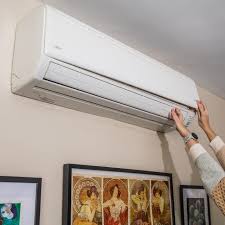
Why mini-split service matters in Downtown Columbus
Columbus weather swings from high humidity and heat in summer to freezing temperatures in winter. Mini-splits installed downtown often face space constraints, limited outdoor unit placement options, and sometimes HOA or building permit requirements. Regular service prevents efficiency loss, reduces the chance of emergency breakdowns during peak weather, and helps systems meet noise and aesthetic requirements common to urban properties.
Common mini-split issues in Downtown Columbus
- Weak cooling or heating output — often caused by low refrigerant, dirty coils, or blocked airflow
- Indoor unit icing or frozen evaporator coil during cooling season
- Water leaks from indoor heads or drain lines, especially in humid months
- Unusual noises from indoor blower or outdoor compressor/condenser
- Short cycling or frequent on/off cycles due to electrical faults or control issues
- Error codes on indoor controllers indicating sensors, PCB, or communication faults
- Poor thermostat or remote control response, including Wi-Fi connectivity issues
- Inadequate heating performance in below-freezing conditions (defrost or heat pump staging issues)
Types of mini-split services offered
- Routine inspections and seasonal tune-ups (recommended twice yearly in Columbus)
- Troubleshooting and diagnostic services for performance and error codes
- Repairs: electrical components, fan motors, capacitors, PCB/control boards
- Refrigerant leak detection, repair, and recharge (handled by licensed technicians)
- Condensate line clearing and drain pan repair or replacement
- Indoor head or outdoor unit replacement and parts replacement
- Full system installations and upgrades, including multi-zone systems
- Installation-related services: line set runs, condensate pumps, electrical upgrades, permits coordination
What a comprehensive inspection and diagnostic process looks like
Technicians follow a systematic checklist to identify present and potential problems:
- Visual inspection of indoor and outdoor units for physical damage, mounting, and clearances
- Filter, coil, and drain pan inspection and cleaning as needed
- Refrigerant pressure and temperature checks to identify leaks or undercharge
- Electrical inspection: breakers, fuses, contactors, capacitors, wiring integrity
- Airflow measurement and blower motor operation check
- Control communication test between indoor and outdoor units and remote/Wi-Fi functions
- Operational test: cooling/heating runs, defrost cycle check, noise assessment
- Photo or written diagnostic report with recommended repairs and parts
Typical inspection time: 45–90 minutes for single-head systems; multi-head or complex installations may take longer.
Repairs and parts replacement explained
Common repair components and explanations:
- Capacitors and start/run relays — restore motor starts and steady operation
- Fan motors (indoor/outdoor) — reduce noise and restore airflow
- PCBs and control modules — fix erratic behavior, communication faults, or error codes
- Reversing valves and defrost components (heat pumps) — restore heating function and prevent freeze problems
- Refrigerant leak repair and recharge — requires certified technicians and city code compliance
- Condensate pumps and drain lines — resolve water intrusion into living spaces
Technicians will present repair options, explain expected life expectancy of replaced components, and note manufacturer warranties that may apply.
Installation and replacement considerations for Downtown Columbus
Downtown installations must balance performance with space, appearance, and local rules:
- Proper load sizing and room-by-room zoning to avoid oversizing and short cycling
- Indoor head placement to optimize airflow and minimize visual impact in historic interiors
- Outdoor unit location choices include balcony, ground-level pad, or roof mounting; rooftop work may require special equipment and permits
- Line set length and routing influences refrigerant charge and efficiency; longer runs increase labor and materials
- Electrical service capacity may need upgrades for multi-zone installations
- Building and HOA permit considerations are common in downtown properties
Installation timelines: single-head installs often complete in one day; multi-zone or complex rooftop jobs can take several days.
Seasonal preparation and maintenance tips
- Spring: clean coils, inspect refrigerant charge, clear condensate lines, verify cooling performance before heat returns
- Fall: check heat mode and defrost cycle, test operation below 40 F, insulate line sets before cold weather
- Maintain or replace washable filters monthly during heavy use; replace disposable filters as recommended
- Schedule semi-annual tune-ups — one before cooling season and one before heating season — to maximize efficiency and prevent emergencies
Customer service expectations during a service visit
A professional mini-split service visit typically includes:
- Clear arrival window and technician identification
- A thorough diagnostic inspection with a written summary of findings
- Transparent breakdown of recommended repairs versus optional upgrades
- Explanation of parts, warranties, and expected timeline for completion
- Cleanup of work area and verification of system operation before departure
Pricing structure and what affects cost
Mini-split service pricing varies based on scope and complexity. Common factors:
- Diagnostic fee or service call fee, often credited toward repair if performed
- Labor: straightforward repairs are typically lower cost; hard-to-access installations (rooftop, high balconies) increase labor
- Parts: branded OEM parts and compressors are more expensive than generic replacements
- Number of indoor heads and system capacity directly influence parts and labor
- Refrigerant type and leak repair complexity (older refrigerants may be phased or restricted)
- Permit and inspection fees where required by city or building regulations
Maintenance plans typically offer scheduled visits at reduced per-visit cost, priority service, and discounts on repairs. Regular maintenance reduces overall lifetime cost by preventing major failures.
Service area notes for Downtown Columbus, OH
Services in Downtown Columbus account for urban considerations: tight exterior spaces, historic building facades, rooftop or balcony mounting, and occasional permit or HOA compliance. Technicians familiar with downtown layouts and building codes can recommend solutions that balance efficiency, noise, and visual impact.
Booking one-time or recurring service visits
Typical booking options include one-time diagnostic/repair appointments or enrollment in recurring maintenance plans with semi-annual inspections. Recurring plans focus on preventive care: scheduled filter checks, coil cleanings, refrigerant level checks, and priority scheduling during seasonal peaks. A well-maintained mini-split system in Downtown Columbus provides better comfort control, lower energy use, and fewer emergency repairs over its life.
Hot Deals & Cool Savings

.webp)
New Service Agreement Membership
.webp)
Any New Client Service
Next Service for Referring a New Client
New Service Agreement Membership
Any New Client Service
Next Service for Referring a New Client
.webp)
.webp)

Service Areas
