
Mini Split Installation in Downtown Columbus, OH
Expert mini-split installation in Downtown Columbus, OH. Learn about site assessment, permits, installation steps, and commissioning—contact us to get started.

Mini Split Installation in Downtown Columbus, OH
Mini-split installation in Downtown Columbus, OH is a practical, energy-efficient solution for homes and condos that need targeted heating and cooling without ductwork. In an area with cold Ohio winters, hot humid summers, and many older or historic buildings where installing ductwork is impractical, a ductless mini-split provides precise zone control, lower operating costs, and flexible placement.
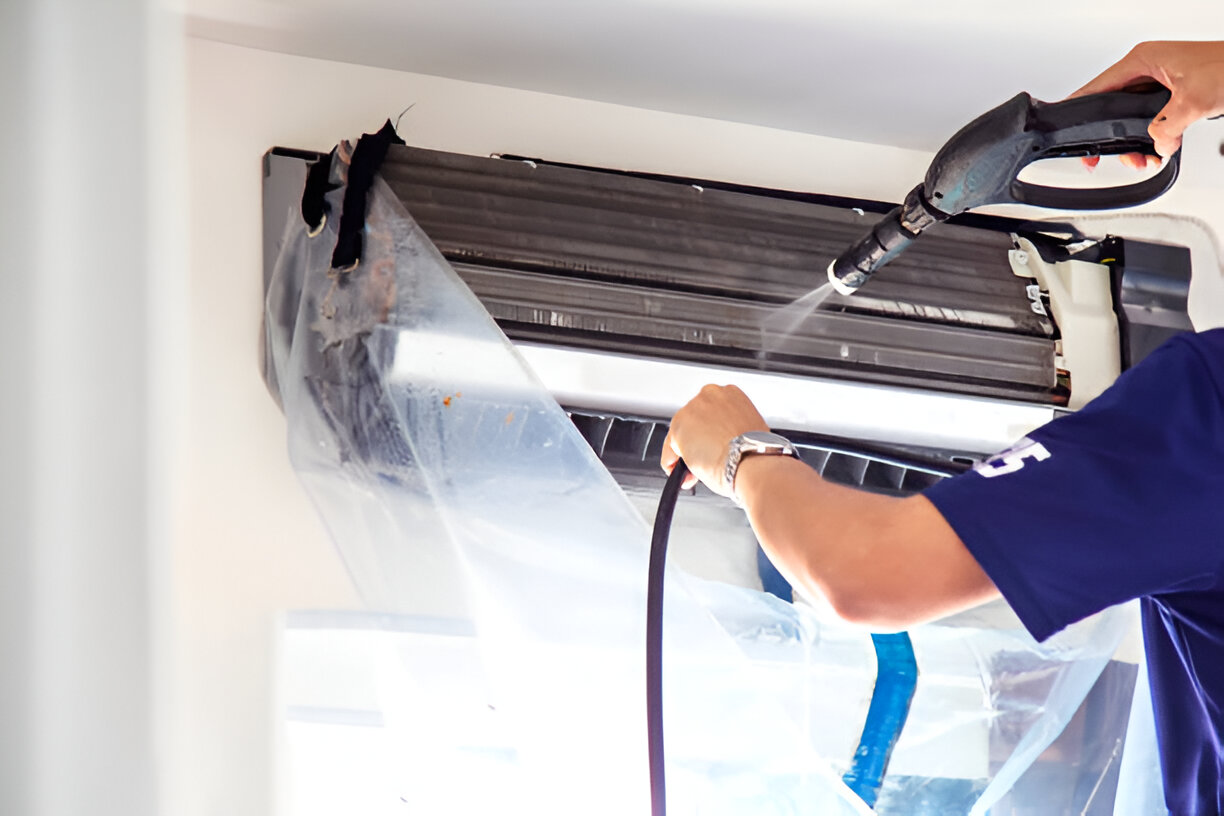
Why a mini-split makes sense in Downtown Columbus homes
- Many downtown buildings are older or have limited attic/crawlspace access, making duct installs disruptive and expensive.
- Urban condos and rowhouses often need individual zone control to avoid heating and cooling neighboring units.
- Columbus climate: hot, humid summers and below-freezing winters mean a heat-pump mini-split gives year-round comfort and greater efficiency than window units or electric baseboard.
- Compact outdoor units and flexible indoor head styles (wall, ceiling cassette, floor console) allow discreet installs that respect historic facades and limited exterior space.
Typical mini-split installation types and common client needs
- Single-zone mini-splits for apartments, dens, or small living areas.
- Multi-zone systems serving multiple rooms with one outdoor unit and several indoor heads.
- Heat-pump models for combined heating and cooling performance throughout seasonal extremes.
- Low-profile or recessed heads for historic or design-sensitive interiors.
- Lightweight solutions for upper-floor retrofit installs where structural capacity or exterior access is limited.
Initial site assessment and load calculations
A professional installation begins with a thorough site assessment:
- Room-by-room measurements and construction review (wall insulation, window types, ceiling height).
- Manual J load calculation or equivalent to determine correct capacity; oversizing leads to short-cycling, undersizing causes poor comfort.
- Evaluate outdoor unit placement options in tight downtown spaces: rooftop, balcony, rear service alley, or ground-level pad with vibration isolation.
- Check for condo or historic district restrictions that may limit visible outdoor unit placement or wall penetrations.
- Identify routing for refrigerant lines, condensate drain, and electrical service; confirm access for installers and equipment.
Indoor/outdoor unit selection and sizing
- Choose capacity based on load calculations and desired zoning. Efficiency ratings (SEER, HSPF) affect long-term operating costs — higher efficiency models cost more upfront but save on utilities in Columbus’ variable climate.
- Select indoor head styles to suit the room layout and aesthetics: wall-mounted for quick installs, cassettes for ceilings, floor consoles for low walls.
- Consider multi-zone systems with variable-speed compressors for balanced performance and energy savings.
Mounting, line routing, and structural considerations
- Indoor head mounting: locate on interior walls with access to a short, straight path for the line set to minimize refrigerant length.
- Wall penetrations are typically a 2- to 3-inch hole with a weather-tight sleeve; in historic buildings, mounting through a secondary wall or soffit may be required to preserve facade.
- Outdoor unit placement: firm pad or bracket, proper clearances for airflow and service access, and vibration isolation to reduce noise transmission to neighboring units.
- Refrigerant line routing: insulated copper lines routed through the shortest, most direct path; longer runs require careful sizing and may change refrigerant charge needs.
- Condensate handling: gravity drain to an exterior point or condensate pump when gravity drainage is not available; ensure drains meet local code to prevent moisture issues.
Electrical and thermostat/integration work
- Confirm electrical capacity: many mini-splits require a dedicated 240V circuit with proper breaker sizing and disconnect per local electrical code. Smaller single-zone units may use 120V.
- Wiring for communication between indoor and outdoor units is low-voltage but must follow manufacturer specs.
- Options for smart controls: built-in Wi-Fi or optional thermostats and app control can be integrated if desired; ensure installers configure user access and schedules during commissioning.
Code, permits, and regulatory considerations in Downtown Columbus
- Installations commonly require a mechanical or HVAC permit and an electrical permit from the City of Columbus; an inspector may need to verify line sets, condensate termination, and electrical work.
- Historic districts and condominium associations in downtown neighborhoods may have exterior alteration rules; routing, outdoor unit visibility, and mounting hardware can be restricted.
- Compliance with Ohio state licensing and local building codes is essential; professionals document permits and inspection sign-offs as part of the install package.
Project duration and what to expect on installation day
- Typical single-zone install: 4 to 8 hours for a straightforward interior wall and nearby outdoor unit.
- Multi-zone or complex retrofit with permits, electrical upgrades, roof or balcony placements, or long line runs: 1 to 3 days. Permit approval timelines can extend total project time.
- On installation day expect: arrival with trained installers and truck stock, protective floor coverings, precise placement of indoor heads and outdoor unit, clean drilling and sealed penetrations, electrical hook-up and breaker installation, and vacuuming and charging of refrigerant lines. Installers should leave the work area clean and explain system operation to the homeowner.
Commissioning and testing procedures
Proper commissioning confirms long-term performance:
- Pressure testing and nitrogen tightness check before refrigerant is added to ensure no leaks.
- Deep vacuum of the refrigerant line set to remove moisture and non-condensables, followed by correct refrigerant charge per manufacturer specs (weigh-in or superheat/subcooling methods when required).
- Leak detection and soap test at connections, followed by system run in cooling and heating modes to verify capacity and stable operation.
- Electrical checks: voltage, amp draw, and breaker protection verified.
- Airflow verification and temperature split measurements to confirm proper delivery.
- Demonstration for the homeowner on basic maintenance: filter removal/cleaning, remote controls, and seasonal settings.
Common installation problems and how they are solved
- Oversized or undersized equipment: avoided through accurate load calculations; resized or reconfigured when necessary.
- Poor refrigerant charging or long line runs: addressed with proper line sizing, injector kits or factory-approved charge adjustments.
- Condensate backups: solved with correct drainage design or properly sized condensate pumps.
- Noise and vibration in urban settings: solved with vibration isolation pads, anti-vibration brackets, and careful placement away from shared walls or neighbor windows.
- Permit or HOA delays: pre-install research and designs submitted early to meet local approval requirements.
Long-term benefits and maintenance advice
- Benefits: zoned comfort, high seasonal efficiency, quiet operation, minimal interior disruption, and reliable heating in Columbus’ cold months when using heat-pump models.
- Maintenance essentials: clean or replace filters monthly to seasonal frequency, clear debris around the outdoor unit, annual professional inspection for refrigerant, electrical connections, and drain integrity, and prompt repair of any unusual noise or performance drop.
- Regular maintenance preserves efficiency and extends equipment life in Downtown Columbus’ seasonal extremes.
A properly planned and executed mini-split installation in Downtown Columbus, OH delivers efficient, comfortable, and flexible climate control tailored to urban homes and historic buildings. Understanding the assessment, permitting, installation steps, and commissioning details helps ensure predictable outcomes and long-term performance in the downtown environment.
Hot Deals & Cool Savings

.webp)
New Service Agreement Membership
.webp)
Any New Client Service
Next Service for Referring a New Client
New Service Agreement Membership
Any New Client Service
Next Service for Referring a New Client
.webp)
.webp)

Service Areas
