
Whole House Humidification in OSU, OH
OSU, OH: Achieve balanced indoor humidity with a whole-house humidification system. Improve comfort, protect wood, and save energy—schedule installation today.

Whole House Humidification in OSU, OH
Keeping indoor humidity balanced is one of the most effective ways to protect your home and improve comfort year round in OSU, OH. Winters in central Ohio are cold and dry, which commonly causes low indoor humidity, while shoulder seasons can swing conditions. A whole-house humidification system installed with your HVAC provides controlled, even humidity throughout your living space—reducing dry air problems, protecting wood and finishes, and making your home feel warmer without cranking the thermostat.
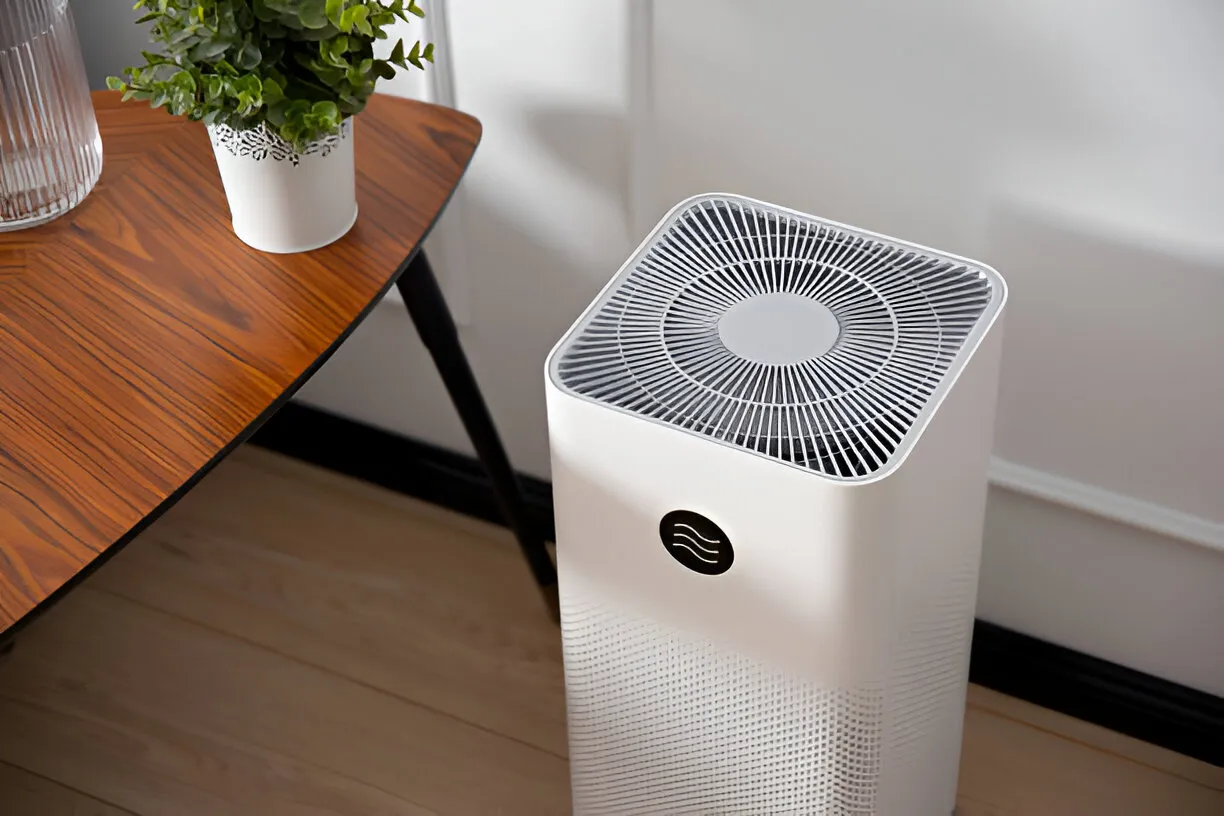
Why whole-house humidification matters in OSU, OH
- Ohio winters are long and heating systems run frequently. Forced-air heating dries indoor air, often dropping relative humidity below 20 percent.
- Low humidity causes dry skin, irritated sinuses and throats, static electricity, and cracked wood floors or trim—problems many OSU-area homeowners notice by January.
- Proper humidity also affects energy perception. At 30 to 40 percent relative humidity you will often feel comfortable at lower thermostat settings, which can reduce heating run time.
Types of whole-house humidification systems (and how they compare)
- Steam Humidifiers
- Produce steam directly and inject it into the ductwork or air handler.
- Best for large homes, high-capacity needs, or homes without consistent fan operation.
- Pros: Fast response, precise control, works with low-airflow systems.
- Cons: Higher upfront cost, requires water quality management to limit mineral deposits.
- Bypass (Evaporative) Humidifiers
- Use the furnace’s warm air to evaporate water through a pad; air is routed from the supply or return and humidified as it moves through.
- Pros: Lower cost, simple design, low maintenance for soft-water areas.
- Cons: Slower response, depends on furnace operation, not ideal for homes with inconsistent airflow.
- Fan-Powered Humidifiers
- Have an internal fan to push air through a wet media, providing faster humidity delivery than bypass models.
- Pros: More consistent distribution than bypass, moderate cost.
- Cons: Uses a bit more electricity and can be louder than bypass units.
Choosing the right type depends on home size, HVAC configuration, budget, and water quality common in OSU homes.
How whole-house systems maintain comfortable humidity
- A dedicated humidistat measures indoor relative humidity and signals the humidifier to run when levels fall below your target.
- Modern systems integrate with your HVAC control or operate on their own schedule to maintain a stable range, typically between 30 and 45 percent in winter for OSU-area homes.
- Proper installation places the humidifier where airflow and distribution are optimized—commonly on the furnace plenum, air handler, or ductwork—to ensure even humidity in all rooms.
Health and home-protection benefits
- Health: Reduced dry air lowers irritation of eyes, throat, and nasal passages and can make breathing easier for sensitive individuals.
- Sleep and comfort: Proper humidity improves sleep comfort and reduces static shocks and dry skin.
- Home protection: Stabilized humidity helps prevent hardwood floor gaps, shrinking trim, and cracks in musical instruments or wood furniture.
- Energy perception: Moderately increased humidity helps rooms feel warmer at lower thermostat settings, which can help reduce heating demand.
Installation process and HVAC integration in OSU homes
Assessment
- Evaluate the existing HVAC system, duct layout, home size, and typical winter indoor humidity.
- Check for homes near OSU that may have older or non-ducted heating systems, which require different approaches.
System selection and sizing
- Select steam, bypass, or fan-powered type based on capacity needs and HVAC compatibility.
- Size the unit to match the square footage, air changes, and construction tightness of the home.
Connection and placement
- Install on the furnace plenum, air handler, or main duct run for optimal distribution.
- Provide water feed line, drain, and electrical connection as required.
- Integrate a humidistat or connect to the HVAC control for automatic operation.
Commissioning
- Set target humidity ranges appropriate for OSU seasonal conditions.
- Test for even distribution and verify water and electrical connections are secure.
Note: Many older homes around OSU use hydronic heating or space heaters. Those homes may need a steam humidifier with dedicated distribution or a non-ducted solution.
Water quality, maintenance, and common issues
- Water quality matters: Columbus-area water hardness can lead to scale and mineral buildup in evaporative pads, steam cylinders, or nozzles.
- Options to manage minerals: regular pad replacement, scale collectors, inline water softening, or using treated/distilled water for steam systems.
- Routine maintenance tasks
- Replace evaporative pads annually or as recommended.
- Flush and descale steam cylinders and electrode cells per manufacturer schedule.
- Inspect and clean drain lines and float valves to prevent clogs and leaks.
- Test and recalibrate humidistats seasonally.
- Common issues and diagnostics
- Under-humidification: clogged pads, incorrect sizing, or insufficient airflow.
- Over-humidification: faulty humidistat or improper settings; can increase mold and dust mite risk if levels exceed 50 percent.
- Leaks or mineral staining: blocked drains, loose fittings, or scale buildup.
- Noise: loose components or failing fan in fan-powered models.
Seasonal usage guidance for OSU, OH
- Winter (primary season): Run humidification when the furnace operates. Aim for 30 to 45 percent relative humidity depending on outdoor temperature to prevent condensation on windows.
- Spring and fall: Use sparingly; monitor indoor humidity to avoid excess as outdoor humidity rises.
- Summer: Generally do not humidify. Air conditioning reduces indoor humidity and adding moisture can create conditions favorable to mold and mildew. Use dehumidification if needed.
Warranty and what to look for
- Manufacturer warranties vary by type and model, commonly covering 1 to 5 years on parts and specific components such as steam cylinders or controls.
- Installation workmanship may be covered separately by the installer; verify whether labor or on-site service is included.
- Warranty conditions often require regular maintenance; keep service records and follow manufacturer maintenance intervals to maintain coverage.
- For OSU-area homeowners, check for corrosion-resistant components and warranties that address mineral-related failures if municipal water hardness is high.
Final considerations for OSU homeowners
Whole-house humidification in OSU, OH, addresses a clear seasonal need. The right system will reduce dry-air symptoms, protect wood finishes and furnishings, and improve perceived comfort while integrating smoothly with your HVAC. Selecting the appropriate type, managing water quality, and scheduling regular maintenance are key to long-lasting performance and warranty compliance. Properly installed and maintained, a whole-house humidifier can be an unobtrusive, highly effective addition to homes in the OSU area.
Hot Deals & Cool Savings

.webp)
New Service Agreement Membership
.webp)
Any New Client Service
Next Service for Referring a New Client
New Service Agreement Membership
Any New Client Service
Next Service for Referring a New Client
.webp)
.webp)

Service Areas
