
Ventilation in OSU, OH
Ventilation services in OSU, OH: expert assessment, design, and installation to improve air quality and energy efficiency. Learn more.

Ventilation in OSU, OH
Proper ventilation is one of the most cost-effective ways to improve indoor air quality, manage moisture, and protect building durability in OSU, OH homes. Whether you live near campus, in older houses around Columbus, or in newer airtight construction, addressing ventilation needs prevents moisture damage, reduces allergens and pollutants, and ensures combustion safety.
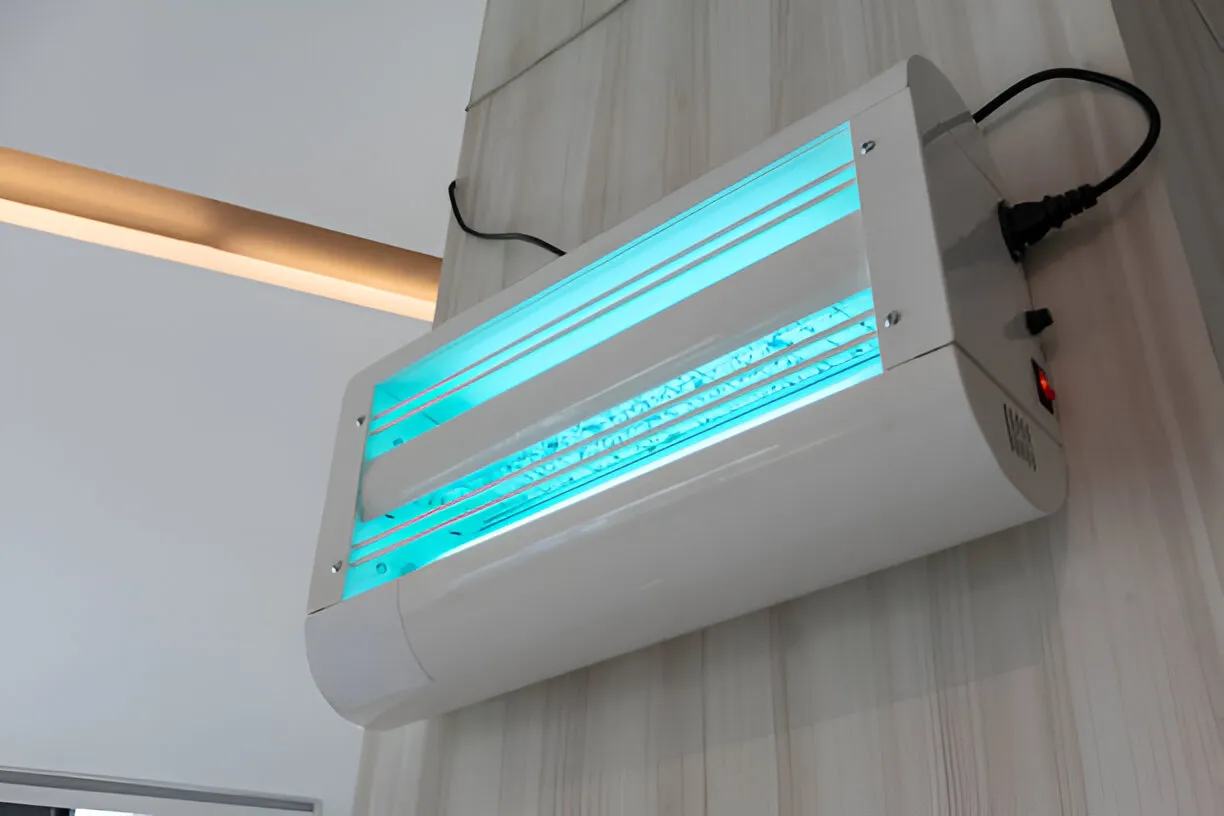
Why ventilation matters in OSU, OH homes
OSU, OH experiences humid summers, cold winters, and seasonal pollen and road dust. Homes that were tightened for energy efficiency often lack adequate fresh-air exchange. That combination creates two common problems:
- High indoor humidity and condensation during warm months, promoting mold growth and musty odors.
- Stale air, elevated CO2, and trapped pollutants in winter when windows stay closed and mechanical ventilation is insufficient.
Properly designed ventilation balances fresh-air needs with energy performance and moisture control specific to the local climate.
Common ventilation problems in OSU, OH
- Insufficient air changes per hour (ACH) after air sealing or insulation upgrades.
- Mold and condensation on windows, crawlspaces, and exterior walls.
- Backdrafting or spillage from combustion appliances when exhaust-only ventilation is used incorrectly.
- Uneven ventilation between floors or rooms, causing hotspots for pollutants.
- High energy use from continuous whole-house fans without heat or moisture recovery.
Ventilation system types explained
Understanding system types helps decide what works best for a given home and climate.
- Balanced ventilation (ERV / HRV)
- ERV (Energy Recovery Ventilator) transfers heat and some moisture between incoming and outgoing air. In humid summers typical of OSU, OH, ERVs can reduce latent load and help control indoor humidity while exchanging air.
- HRV (Heat Recovery Ventilator) transfers only sensible heat. HRVs are effective in very cold, dry climates for reclaiming winter heat.
Balanced systems provide controlled fresh air and reduce risks of backdrafting from combustion appliances. - Supply ventilation
- Introduces filtered outdoor air into the home, typically using the HVAC system to distribute it. Good for positive pressure control and keeping outdoor pollutants out of basements, but must be sized carefully to avoid pressurizing combustion zones.
- Exhaust ventilation
- Uses intermittent or continuous exhaust fans (bathrooms, kitchens, crawlspaces) to remove indoor air. Simple and low cost but can create negative pressure, risking backdrafting of gas appliances.
- Localized vs ducted solutions
- Ducted whole-house systems (integrated ERV/HRV into central HVAC) deliver consistent air distribution and are preferable in multi-room homes.
- Localized solutions (bathroom/kitchen fans, single-room supply units) can be appropriate for targeted problem areas or retrofit situations but may not address whole-house pollutants or CO2.
Assessment and design process
A professional ventilation assessment in OSU, OH should include:
- Indoor air exchange needs based on occupancy, house size, airtightness (blower door results), and sources of indoor pollutants. ASHRAE 62.2 provides a widely used baseline for required CFM per occupant and per square foot.
- Moisture load evaluation considering local humidity, occupant habits, and building envelope details.
- Combustion safety testing to ensure ventilation changes will not create backdrafting or spillage in homes with combustion appliances.
- System selection and sizing to meet calculated CFM and distribution needs.
- Duct design or localized placement planning to ensure even distribution, minimize noise, and avoid short-circuiting of fresh air.
Installation, balancing, and commissioning
Proper installation is as important as system selection:
- Install ERV/HRV with insulated ducts where required, and place intakes away from pollutant sources (garages, roadways).
- Use a qualified installer to integrate controls with existing HVAC or to set up standalone operation.
- Commission the system with airflow measurements using a flow hood or calibrated anemometer to verify design CFM to each intake and exhaust point.
- Balance dampers and adjust distribution so each bedroom and living area receives required ventilation rates.
- Perform post-installation testing: CO2 decay or steady-state measurements, humidity checks, and combustion appliance testing.
Energy considerations and controls
- Choose a unit with high sensible recovery efficiency and low fan wattage to minimize operating costs. ERV cores should be selected based on local moisture patterns.
- Consider demand-controlled ventilation using CO2 sensors in high-occupancy homes or programmable controls tied to occupancy schedules. Demand control reduces energy use by supplying fresh air only when needed.
- Ensure defrost controls and winter operation strategies for HRV/ERVs to avoid performance loss during cold weather.
- Integration with central HVAC allows using existing air handlers for distribution, but controls must prevent over-ventilation when outdoor conditions are poor.
Compliance with local codes
Ventilation installations in OSU, OH must comply with local building and mechanical codes and generally follow ASHRAE 62.2 guidelines for residential ventilation rates. Permitting and inspections may be required for mechanical work. Installers should document airflow rates and combustion safety testing as part of code compliance.
Maintenance and long-term operation
Routine maintenance maintains performance and indoor air quality:
- Replace or clean filters every 3 to 12 months depending on use and local dust/pollen levels.
- Clean ERV/HRV cores annually or as manufacturer recommends; check drains for condensate.
- Inspect and clean supply and exhaust grills and ducts periodically.
- Re-check airflow and controls after major HVAC servicing or if occupants report odors or moisture problems.
Practical recommendations for OSU, OH homeowners
- Prioritize a balanced ERV or HRV for whole-house ventilation when air sealing has reduced natural infiltration, with ERV often preferred given humid summers.
- Address localized moisture sources first: kitchen and bathroom exhaust fans vented outdoors, crawlspace ventilation or encapsulation, and proper dryer venting.
- Use CO2 and humidity monitoring for real-world verification of ventilation effectiveness in occupied conditions.
- Ensure combustion appliances are tested for spillage after any ventilation changes to protect occupant safety.
Benefits of a properly designed ventilation strategy
A professionally designed and balanced ventilation system for OSU, OH homes delivers:
- Better control of moisture and mold risk in humid months.
- Lower indoor pollutant concentrations and reduced allergy triggers.
- Improved occupant comfort and perceived air freshness.
- Energy-efficient fresh-air exchange when ERV/HRV recovery is used correctly.
- Compliance with common residential ventilation standards and reduced risk of combustion spillage.
A careful assessment, the right choice between ERV/HRV or supply/exhaust strategies, and proper commissioning will ensure ventilation upgrades deliver measurable improvements in indoor air quality and comfort for OSU, OH homes.
Hot Deals & Cool Savings

.webp)
New Service Agreement Membership
.webp)
Any New Client Service
Next Service for Referring a New Client
New Service Agreement Membership
Any New Client Service
Next Service for Referring a New Client
.webp)
.webp)

Service Areas
