
Whole House Air Filtration in OSU, OH
Whole house air filtration OSU, OH improves indoor air quality for pollen, pets, and smoke. Learn more about installation options.

Whole House Air Filtration in OSU, OH
Clean indoor air is essential for comfortable living in OSU, OH. Whether you live near campus housing, older neighborhoods, or newer subdivisions, whole house air filtration can significantly reduce allergens, pet dander, smoke, and fine particles that aggravate respiratory conditions.
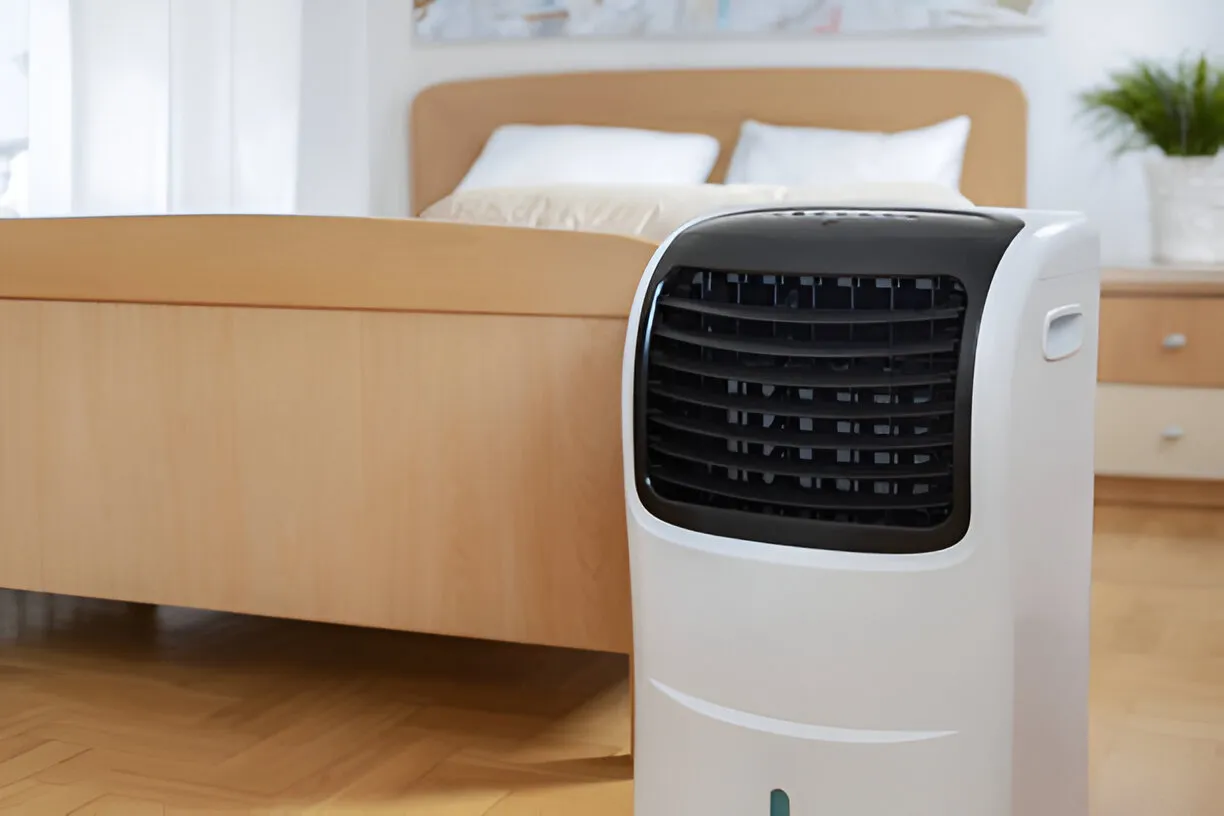
Why whole house air filtration matters in OSU, OH
OSU, OH experiences distinct seasonal air quality challenges: spring and fall pollen peaks, humid summers that promote mold and dust mite activity, and colder winters when homes stay sealed and indoor pollutants concentrate. Many homes near campus also contend with pet dander, higher occupancy, or local wood-burning smoke in cold months. A properly designed whole house air filtration system treats air at the source — your central HVAC — delivering filtered air to every room rather than relying on single-room purifiers.
Common whole house air filtration issues in OSU, OH
- Increased allergy symptoms during pollen season despite regular cleaning
- Lingering pet odors and visible dander on surfaces
- Smoke from fireplaces, backyard burning, or regional events causing fine particulate concerns
- HVAC systems that cycle more frequently or show decreased comfort due to airflow restrictions from improperly selected filters
- Inadequate filtration in older duct systems that recirculate dust and contaminants
Types of whole house filtration systems
- Media filters: Thick, roll-style filters installed in the return plenum. They provide deep filtration for fine particles and have longer service lives than pleated filters. Best for homes needing higher particle capture without frequent replacements.
- Pleated filters: Common and cost-effective, pleated filters vary in thickness and MERV rating. They are typically installed in filter slots at the furnace or air handler. Suitable where moderate filtration is adequate.
- Electronic air cleaners and electrostatic precipitators: Use charged plates to capture particles. They can be effective for very fine particles but require periodic cleaning and maintenance.
- HEPA-grade whole-house systems: True HEPA removes 99.97 percent of particles 0.3 microns and smaller. Integration into central systems requires consideration of blower capacity and duct configuration.
- Hybrid systems: Combine media or pleated prefilters with higher efficiency final filters or UV light to address biological contaminants.
Understanding MERV ratings and their impact
MERV stands for Minimum Efficiency Reporting Value. It measures a filter's ability to capture particles in size ranges relevant to indoor air quality. Key points:
- Lower MERV (1-8) captures larger particles like dust and lint. Good for basic protection and minimizing blower strain.
- Mid-range MERV (9-13) captures smaller particles including pollen, pet dander, and some mold spores. This range is often a strong balance for allergy-prone homes.
- High MERV (14-16+) and HEPA captures very fine particles and smoke. These provide superior filtration but can increase resistance to airflow if the HVAC system is not sized for them.
In OSU homes, a MERV 8-13 solution is commonly recommended depending on occupant sensitivity. Choose higher MERV when allergies, pets, or smoke are major concerns, but verify HVAC compatibility first.
Installation methods within HVAC systems
- Return plenum installation: Media filters or larger systems are installed in the HVAC return plenum for whole-home coverage. This approach minimizes bypass and supports higher MERV options.
- Filter slot replacement: Replacing the standard filter in the furnace or air handler with a higher-efficiency pleated filter is the simplest retrofit. Ensure the filter size and thickness match the slot.
- Inline or dedicated filter housings: A separate housing installed in the duct run can hold larger media or HEPA filters and is ideal when the existing return cannot accommodate thicker filters.
- Integrated systems: Newer HVAC installations may include factory-integrated filtration modules designed to balance filtration and airflow.
Professional assessment ensures correct placement, secure sealing, and minimal bypass — all important to achieve rated performance.
Effects on airflow and equipment performance
Higher-efficiency filters increase static pressure in the system. If the HVAC blower is not designed to overcome that pressure, you may see:
- Reduced airflow to rooms, causing comfort imbalances
- Short cycling or longer run times, which can affect efficiency
- Increased wear on the blower motor over time if pressure is excessive
To avoid these issues, select a filter with an appropriate MERV for your system or consider upgrades like a variable-speed blower or dedicated filter housing. Proper sealing of filter access doors and ducts prevents leakage that undermines filtration and strains equipment.
Recommended maintenance and replacement intervals
- Pleated filters: Inspect every 1 to 3 months. Replace more often in homes with pets or heavy pollen seasons.
- Media filters: Typically last longer and may be changed every 6 to 12 months depending on load; check at change of seasons.
- Electronic cleaners: Clean collector plates monthly to quarterly depending on contamination levels.
- HEPA systems with prefilters: Replace prefilters per manufacturer guidance and HEPA modules as specified; HEPA filters often last longer when protected by a prefilter.
Regular inspection of the filter, duct registers, and blower compartment during seasonal maintenance helps maintain performance and indoor air quality.
Cost considerations (factors that influence cost)
Rather than fixed prices, costs for whole house air filtration in OSU, OH vary based on:
- Filter type and MERV rating selected
- Need for specialized housings or system modifications to accommodate thicker or HEPA filters
- Labor for installation, sealing, and potential blower adjustments or upgrades
- Ongoing maintenance frequency, filter replacements, and any required cleaning of electronic components
- The size and accessibility of the existing HVAC return and ductwork
Budget planning should weigh initial equipment and installation against long-term benefits like reduced allergy symptoms, fewer cleaning needs, and potentially extended HVAC life from cleaner internal components.
Expected improvements for allergies, pets, and smoke
Homeowners can expect:
- Noticeable reduction in airborne pollen, pet dander, and visible dust in living areas
- Fewer allergy flare-ups and improved sleep for sensitive occupants
- Reduced odors and particulate from smoke when using high-efficiency or HEPA-level filtration combined with proper sealing
- Cleaner HVAC components and improved overall indoor air comfort
Realistic expectations: filtration reduces airborne particles but does not remove gases and volatile organic compounds unless the system includes activated carbon or specialized media.
Final considerations and maintenance tips for OSU homeowners
- Match MERV selection to both your health needs and HVAC capability. When in doubt, a mid-range MERV with good sealing and regular maintenance offers the best balance.
- Combine filtration with source control: regular vacuuming with a HEPA vacuum, washing bedding, and minimizing indoor smoking will maximize benefits.
- Seasonal checks before pollen season and winter heating help ensure systems perform when they matter most.
- If smoke or extreme allergies are persistent issues, consider systems that add activated carbon media or a HEPA stage behind a prefilter.
Whole house air filtration in OSU, OH is a practical investment in health and comfort when designed to fit your home and lifestyle. Proper selection, professional installation, and consistent maintenance deliver measurable improvements for allergy sufferers, pet owners, and households concerned about smoke and fine particles.
Hot Deals & Cool Savings

.webp)
New Service Agreement Membership
.webp)
Any New Client Service
Next Service for Referring a New Client
New Service Agreement Membership
Any New Client Service
Next Service for Referring a New Client
.webp)
.webp)

Service Areas
