
IAQ Products in OSU, OH
IAQ products for OSU, OH homes: purifiers, UV-C, humidifiers, and sensors. Learn how to choose, install, and maintain air quality.

IAQ Products in OSU, OH
Indoor air quality matters in OSU, OH homes and apartments. Whether you live near the Ohio State University campus in older row houses, newer condos, or multiunit buildings, seasonal pollen, winter indoor dryness, summer humidity, and urban pollution all affect the air you breathe.
Why IAQ matters in OSU, OH
OSU, OH experiences hot, humid summers that raise indoor mold and dust mite activity, and cold winters that drive up indoor dryness and static. Spring brings heavy tree and grass pollen, and city traffic or nearby construction can elevate fine-particle levels some days. Poor indoor air can worsen allergies, asthma, sleep, and overall comfort. Choosing the right IAQ products reduces symptom triggers, controls odors and VOCs, and prevents moisture-related damage in your home.
Common IAQ problems in OSU, OH homes
- Seasonal pollen infiltration in spring and early summer
- Elevated indoor humidity and mold risk during warm months
- Dry indoor air, sore throats, and static in winter
- Pet dander and dust accumulation in shared housing and student rentals
- Odors and VOCs from cleaning products, new furniture, or renovations
- Fine particles from traffic, nearby construction, and cooking
IAQ products and what each addresses
- Air purifiers (portable units)
- Best for single rooms, apartments, and focused symptom relief.
- Use HEPA filtration to remove fine particles like pollen, smoke, and pet dander.
- Consider units with activated carbon stages if odors or VOCs are a concern.
- HEPA filters (standalone and HVAC-compatible)
- True HEPA captures 99.97% of particles down to 0.3 microns; ideal for allergy and asthma control.
- In central systems use high-MERV filters rated for your HVAC to balance filtration and airflow.
- Activated carbon filters
- Adsorb odors and many volatile organic compounds (VOCs) that HEPA cannot remove.
- Useful in homes with new finishes, strong cooking odors, or chemical sensitivities.
- Whole-house filtration systems
- Integrate with your HVAC to protect every room; best for larger homes or multiroom coverage.
- Options include high-MERV media, HEPA-by-pass setups, and carbon stages.
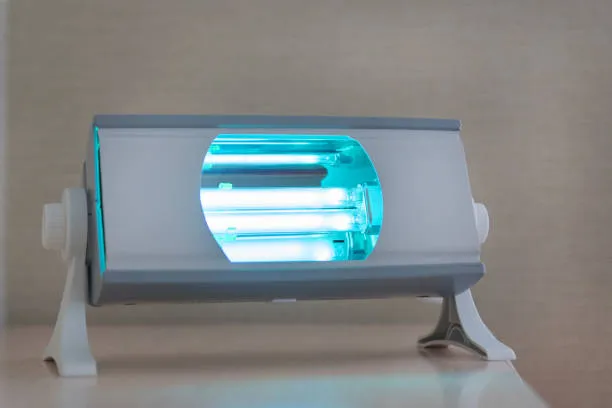
- UV / UV-C air-disinfection units
- Target biological contaminants (mold spores, bacteria, some viruses) when placed correctly in ductwork or on purifiers.
- Most effective as a complementary technology alongside filtration.
- Humidifiers and dehumidifiers
- Maintain recommended indoor humidity levels (30–50%) to reduce mold growth and dust mites while avoiding excess dryness.
- Whole-house humidifiers tie into HVAC; portable dehumidifiers or humidifiers serve single rooms.
- Air-quality sensors and monitors
- Track PM2.5, VOCs, CO2, temperature, and humidity to inform when to ventilate or run filtration.
- Essential for evidence-based decisions and verifying product performance.
How to choose the right IAQ products for your home and needs
- Match product capacity to space:
- For portable purifiers look at CADR (clean air delivery rate) and aim for an air purifier that achieves 4–6 air changes per hour (ACH) in the target room.
- For whole-house systems, sizing is based on home square footage and HVAC capacity.
- Health concerns:
- Allergies/asthma: prioritize true HEPA filtration and maintain 4+ ACH in bedrooms.
- Chemical sensitivities: add activated carbon filtration and monitor VOCs.
- Immunocompromised households: combine HEPA filtration with higher ACH and consider UV-C duct units for additional microbial reduction.
- HVAC compatibility:
- Check blower capacity before moving to higher-MERV filters; oversized filter resistance can reduce system efficiency.
- Noise and placement:
- Consider decibel ratings for bedroom units. Portable units should be placed centrally in the room and not blocked by furniture.
- Monitoring:
- Pair sensors with filtration to validate indoor air improvements and adjust operation automatically.
Installation and maintenance: what to expect
- Professional vs DIY:
- Portable purifiers and plug-in sensors are simple to set up yourself.
- Whole-house systems, HVAC filter upgrades, and UV-C installations are best done by trained technicians to ensure airflow, safety, and warranty compliance.
- Typical installation steps (whole-house):
- Onsite assessment of HVAC and duct layout.
- Equipment selection and sizing.
- Professional mounting, duct integration, and system testing.
- Brief walkthrough on operation and maintenance.
- Regular maintenance:
- HEPA and carbon filters: inspect every 3 months; replace according to manufacturer guidance (often 6–12 months for residential use).
- HVAC media filters: replace per HVAC manufacturer recommendations (commonly every 3–6 months for higher-use households).
- Humidifiers/dehumidifiers: clean and descale seasonally; empty portable units regularly.
- Sensors: recalibrate and clean annually or per device instructions.
- Service plans:
- Many providers offer routine inspection plans covering filter change reminders and annual system checks to maintain performance and warranty compliance.
Warranty and expected service coverage
- Typical warranties:
- Portable air purifiers and sensors: manufacturer warranties commonly range from 1 to 3 years.
- Whole-house equipment, humidifiers/dehumidifiers, and UV-C units: parts warranties often 1–5 years; some components (motors, UV lamps) may have separate terms.
- What warranties usually cover:
- Manufacturing defects in parts; some include limited labor for a set period.
- Regular maintenance items like filter replacement are usually not covered—check terms before purchase.
- Registration and documentation:
- Register equipment with the manufacturer and retain purchase and installation records to preserve warranty eligibility.
Performance expectations and real-world results
- What filtration can realistically achieve:
- True HEPA filters remove the vast majority of airborne particles down to 0.3 microns, dramatically reducing pollen, dust, and pet dander levels.
- Activated carbon significantly lowers odors and many VOCs but requires periodic replacement to remain effective.
- UV-C reduces microbial loads when air residence time and exposure are sufficient; it is not a standalone sterilization solution.
- Measurable improvements:
- Properly sized systems combined with good maintenance typically produce noticeable symptom relief for allergy and asthma sufferers within days to weeks and measurable reductions in PM2.5 and VOC readings on monitors.
- Limitations:
- Filtration reduces concentrations but cannot prevent all exposure—source control (venting, reduced pollutant use) is essential.
Seasonal and local considerations for OSU, OH
- Spring pollen: run HEPA purifiers in bedrooms and use HVAC filtration during peak pollen months.
- Humidity swings: monitor and control indoor humidity to prevent mold in summer and reduce dryness in winter with humidification as needed.
- Student housing and rentals: portable purifiers and sensors are cost-effective for renters; consider quiet units for bedrooms.
Ongoing care and long-term benefits
Routine maintenance and correct sizing are the difference between a noticeable improvement and disappointment. Properly selected IAQ products reduce symptoms, protect indoor finishes, and improve comfort year-round in OSU, OH homes. Use sensors to verify results, schedule regular filter and system checks, and align equipment choices with your household’s size and health priorities to get consistent, lasting improvements in indoor air quality.
Hot Deals & Cool Savings

.webp)
New Service Agreement Membership
.webp)
Any New Client Service
Next Service for Referring a New Client
New Service Agreement Membership
Any New Client Service
Next Service for Referring a New Client
.webp)
.webp)

Service Areas
