
Whole House Air Purifiers in OSU, OH
Enhance OSU, OH indoor air with whole-house air purifiers through expert installation and ongoing maintenance for healthier, more comfortable living year-round.

Whole House Air Purifiers in OSU, OH
Breathing clean air at home matters year-round in OSU, OH. Between spring pollen, humid summers that encourage mold growth, and tightly sealed homes in winter that trap indoor pollutants, many households experience allergies, asthma flare-ups, persistent odors, or unexplained respiratory irritation. Whole house air purifiers provide a centralized, HVAC-integrated solution that treats the air throughout your home rather than just one room — reducing allergens, controlling odors and VOCs, and improving overall indoor air quality where families, roommates, and students spend most of their time.
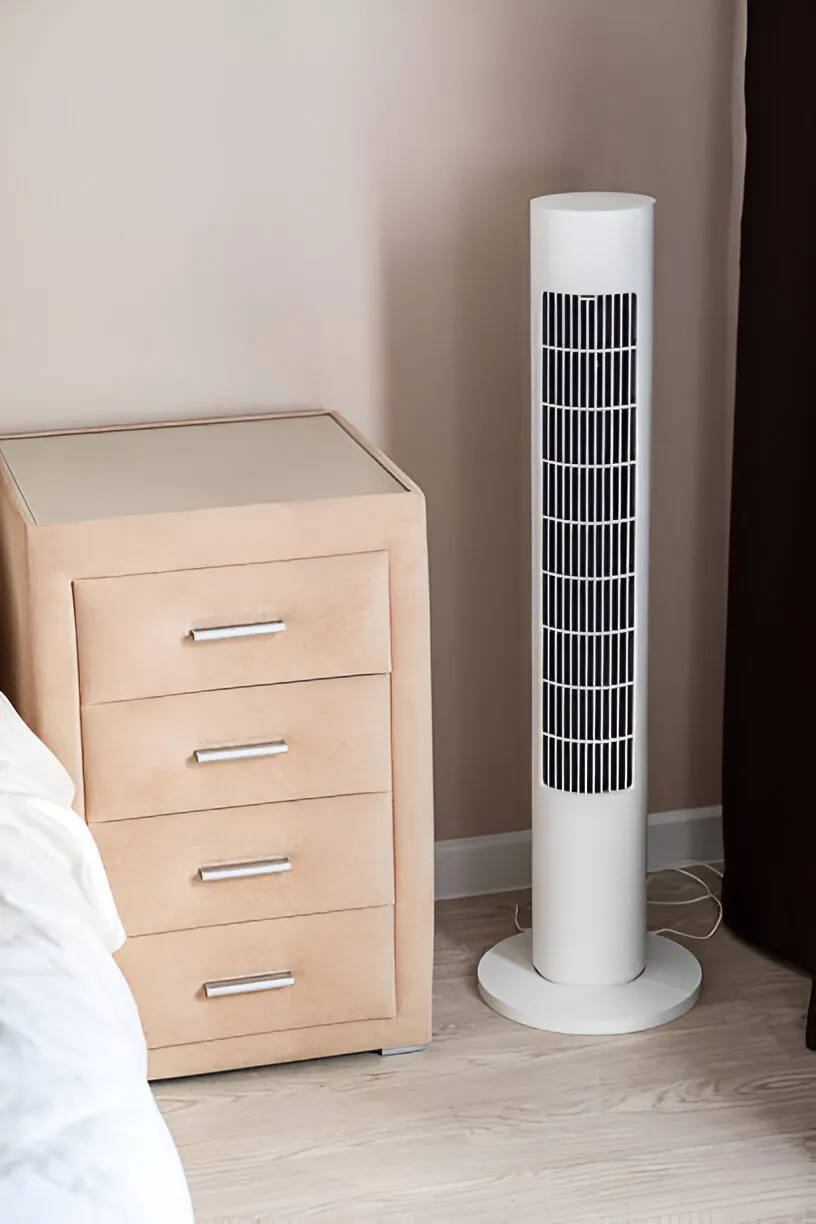
Common indoor air problems in OSU, OH homes
- High seasonal pollen and outdoor allergens migrating indoors during spring and fall.
- Elevated humidity in summer leading to mold growth in basements and crawlspaces.
- Indoor sources of VOCs (cleaning products, paints, new furnishings) in recently renovated or rented units near campus.
- Dust, pet dander, and fine particles in older homes with older duct systems.
- Recurring odors from cooking, smoking, or high-occupancy living situations.
How whole house air purifiers work
Whole house air purifiers are installed in the HVAC return or air handler and treat all circulated air. Most systems use one or more technologies combined to address a broad range of contaminants:
- True HEPA filtration: Captures microscopic particles down to 0.3 microns with very high efficiency (true HEPA media is rated to remove the vast majority of airborne particulates such as dust, pollen, and pet dander).
- Activated carbon: Adsorbs gases, odors, and many volatile organic compounds (VOCs), helping reduce cooking smells, off-gassing, and chemical odors often encountered in densely populated or renovated homes.
- Ultraviolet (UV) germicidal lamps: Inactivate bacteria, viruses, and mold spores when air passes near the bulb; commonly installed at the coil or in the duct to reduce microbial growth on HVAC components and in circulated air.
- Electrostatic or electronic enhancements: Some whole-house units use charged plates or ionization to capture particles; note that high-ozone-producing devices should be avoided — look for systems that meet ozone safety standards.
Combining these technologies provides broad coverage: mechanical filters remove particulates, carbon reduces gases and odors, and UV targets biological contaminants. System selection depends on the most pressing indoor air concerns in your home.
Integration with existing HVAC systems
Whole house air purifiers are designed to work with central heating and cooling systems. Integration considerations include:
- Placement: Typically mounted at the return air duct or inside the air handler so every cubic foot of conditioned air is treated.
- Sizing: Proper system sizing matches airflow (CFM) and home volume. Oversized filters can cause pressure drop; undersized units underperform.
- Static pressure and fan capacity: High-efficiency media (HEPA-level) increases resistance; technicians assess your furnace/air handler to ensure the blower can handle the added load or recommend alternatives like bypass housings or dedicated in-duct cleaners.
- Duct condition: Sealing and cleaning ducts improves purifier effectiveness. Leaky ducts let untreated outdoor air bypass the system reducing overall performance.
- Control integration: Many units integrate with thermostats or HVAC controls for runtime monitoring and maintenance alerts.
Professional installation process
A professional installation ensures the system is sized and positioned correctly for best performance and minimal impact on HVAC operation. Typical steps include:
- Home assessment: Technicians evaluate home size, HVAC model, typical occupancy, allergy/asthma concerns, and any odor or VOC sources.
- Duct and system inspection: Measure airflow, static pressure, and inspect duct integrity and return locations.
- System selection and placement plan: Recommend the ideal mix of HEPA, activated carbon, or UV components and the best mounting location.
- Installation: Secure mounting, electrical hookup for powered elements (UV or electronic components), and sealing connections to prevent bypass.
- Startup and verification: Verify airflow, measure pressure drop, and demonstrate how maintenance and filter replacement are performed.
- Documentation: Provide filter part numbers, replacement intervals, and any manufacturer maintenance notes.
A professional approach minimizes risks like reduced HVAC efficiency, noise, or short cycling.
Maintenance and filter replacement schedules
Routine maintenance keeps performance high and operating costs reasonable. Typical recommendations for whole-house systems in OSU, OH:
- Pre-filters: Inspect every 1–3 months and replace or clean as needed. Prefilters protect HEPA and carbon stages and prolong service life.
- HEPA media: Replace every 12–24 months depending on household dust load, occupancy, and pets. Homes with heavy pollen or multiple pets may require annual changes.
- Activated carbon: Replace every 6–12 months for homes with persistent odors or VOC exposure; less frequent replacement is possible in low-odor households.
- UV lamps: Replace bulbs every 9–12 months to maintain germicidal output; lamps become less effective over time even if they still light.
- Annual professional inspection: Verify airflow, electrical safety, and overall system function; clean components and check for duct leaks.
Following a clear maintenance schedule preserves air cleaning capacity and prevents excessive strain on the HVAC system.
Typical indoor air quality improvements
When properly selected, installed, and maintained, whole house air purifiers in OSU, OH typically deliver measurable improvements:
- Significant reduction in airborne particulate loads (pollen, dust, pet dander) — often removing the majority of allergenic particles when true HEPA media is used.
- Noticeable reduction in odors and many VOCs with activated carbon stages.
- Decreased dust buildup on surfaces and fewer HVAC coil contamination issues with UV and filtration in place.
- Improved comfort for allergy and asthma sufferers through lower trigger levels and more consistent indoor air.
Actual results depend on system choice, maintenance, home envelope tightness, and source control practices (ventilation, cleaning, and reducing indoor pollutant sources).
Certifications and standards to look for
Selecting systems and components that meet recognized standards ensures safer and verifiable performance:
- True HEPA (look for media rated to capture 0.3 micron particles at high efficiency).
- MERV ratings on filters for HVAC compatibility — MERV 13 is often recommended for effective particle capture while balancing airflow.
- UL or ETL listings for electrical and safety compliance.
- CARB-compliant for ozone emissions in jurisdictions that regulate ozone-generating devices.
- Adherence to guidance from building science and ventilation standards for airflow and filtration best practices.
Final considerations for OSU, OH homes
Whole house air purifiers are a practical, long-term investment for households around OSU, OH where seasonal pollen, humidity-driven mold risk, and indoor VOC exposure are common. Pair whole-house filtration with good ventilation practices, source control (reducing VOC sources, regular cleaning), and an annual HVAC tune-up to maximize indoor air quality and reduce triggers for allergies and asthma. Properly sized systems installed and maintained by professionals deliver consistent, homewide air improvement that supports healthier living in all seasons.
Hot Deals & Cool Savings

.webp)
New Service Agreement Membership
.webp)
Any New Client Service
Next Service for Referring a New Client
New Service Agreement Membership
Any New Client Service
Next Service for Referring a New Client
.webp)
.webp)

Service Areas
