
Heating Tune-Up in Gahanna, OH
Professional heating tune up in Gahanna, OH ensures safer, more efficient homes. Schedule today for reliable comfort and lower energy bills.

Heating Tune Up in Gahanna, OH
A seasonal heating tune up in Gahanna, OH is the single most effective preventative step you can take to keep your home warm, safe, and energy-efficient through central Ohio winters. With cold snaps, wet conditions, and older housing stock common in Gahanna neighborhoods, a professional tune up reduces breakdown risk, improves system efficiency, and helps protect against safety issues like carbon monoxide leaks. Below is a clear, expert guide to what a comprehensive tune up includes, the problems it prevents, how often to schedule service, and how to prepare and schedule a visit.
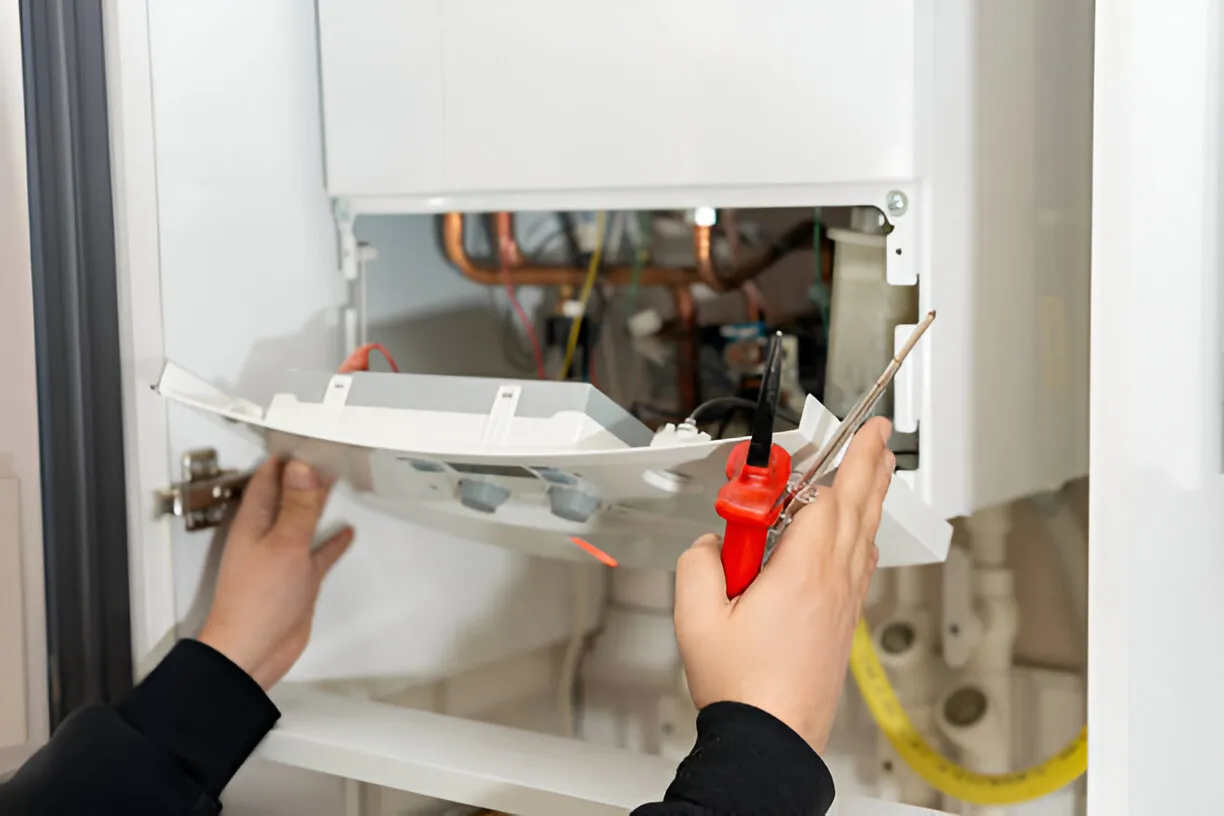
Why a furnace or boiler tune up matters in Gahanna
- Winters in the Columbus metro area bring sustained low temperatures that push heating systems hard; any drop in efficiency becomes a visible jump in utility bills and comfort complaints.
- Many Gahanna homes have mid-century furnaces, boilers, or newer high-efficiency systems; all benefit from seasonal checks to maintain design efficiency and ensure safe combustion.
- Routine maintenance preserves warranties, extends equipment life, and reduces the likelihood of emergency repairs during the coldest nights.
Common heating tune up issues in Gahanna, OH
- Reduced airflow from clogged filters or dirty blower wheels, causing uneven heating and higher electric use.
- Dirty burners or improper combustion leading to soot, inefficient heating, or elevated carbon monoxide risk.
- Faulty or miscalibrated thermostats causing short cycling or poor temperature control.
- Worn ignition or pilot assembly problems producing delayed starts or no heat.
- Blocked flues, venting problems, or deteriorated heat exchangers that can compromise safety.
- Loose electrical connections and worn components that increase the chance of mid-winter failure.
Inspection and adjustment checklist (what a full tune up includes)
A professional seasonal heating tune up typically covers the following items. Each is tested or adjusted to factory or code standards to restore safe, efficient operation.
- Air filters
- Inspect and replace or recommend the correct filter type and MERV rating for your home.
- Verify filter fit and airflow direction.
- Burners and combustion system
- Clean burners and inspect for proper flame shape and color.
- Adjust fuel/air mixture for complete combustion.
- Thermostat and controls
- Test thermostat accuracy and program settings.
- Calibrate and verify communication with the heating unit.
- Safety controls and electricals
- Inspect limit switches, pressure switches, flame sensors, and other safety devices.
- Tighten and inspect all electrical connections and relays for wear.
- Combustion testing
- Measure combustion efficiency and carbon monoxide (CO) levels.
- Confirm safe flue draft and proper venting.
- Heat exchanger and flue
- Visually inspect the heat exchanger for cracks or corrosion when accessible.
- Check vent piping and chimney connections for blockages or deterioration.
- Blower motor and airflow
- Inspect and lubricate motor bearings (if applicable).
- Check belt tension and pulley alignment.
- Measure static pressure and airflow to ensure adequate distribution.
- Ignition and pilot systems
- Test and clean electronic ignitors or pilot assemblies.
- Verify reliable ignition sequence.
- Condensate and drain systems (high-efficiency systems)
- Clear and test condensate traps and drains.
- Inspect secondary heat exchanger and drain pan.
- System performance and documentation
- Test system run cycle(s), verify temperature rise across the heat exchanger, and record operating pressures and voltages.
- Provide a written summary of findings and recommended repairs or upgrades.
Diagnostic process explained (what happens during the visit)
A qualified technician starts with a visual and operational assessment: a walkaround of the equipment and a system start-up to listen for abnormal sounds, watch flame behavior, and note control responses. Combustion analyzers are used to measure efficiency and CO; electrical meters check voltage and amp draw; airflow and static pressure gauges evaluate distribution performance. Based on findings, small adjustments (thermostat calibration, burner tuning, filter replacement) are made immediately, while more significant repairs or parts replacements are documented with prioritized recommendations.
Benefits of an annual heating tune up
- Improved energy efficiency and lower heating bills through optimized combustion and cleaner airflow.
- Increased reliability and fewer emergency repairs during Gahanna cold spells.
- Enhanced indoor air quality from cleaner filters and reduced dust circulation.
- Safety assurance by catching combustion or venting issues before they become hazardous.
- Extended equipment life and preservation of manufacturer warranty requirements.
- Early detection of component wear that allows budgeting for repairs or replacement rather than dealing with sudden failure.
Recommended frequency and membership plans
- Standard recommendation: at least one professional heating tune up annually, ideally scheduled in early fall before sustained heating is required.
- Homes with older equipment, frequent cycling, or occupants with health concerns may benefit from two seasonal checkups (fall and mid-winter).
- Maintenance plans typically include priority scheduling, two seasonal tune ups per year, discounted service call rates, waived diagnostic fees for members, and extended equipment life benefits. Many plans list advantages such as reduced emergency response times and percentage discounts on repairs, making membership cost-effective for Gahanna homeowners who value reliability.
How to schedule and prepare for a tune up
Steps to make a tune up efficient and effective:
- Choose timing: book a tune up in late September through October to ensure your system is ready before colder weather sets in.
- Gather system information: note the make, model, and age of your furnace or boiler and the last service date—this helps the technician bring appropriate parts and tools.
- Clear access: ensure the area around the furnace, boiler, or heat pump is free of clutter so the technician can work safely and quickly.
- Ask about what’s included: confirm the tune up scope (combustion testing, filter change, safety checks) and whether seasonal plans include two annual visits and member discounts.
- Verify credentials: request that the technician be licensed and trained for your system type and ask whether combustion and CO testing equipment will be used.
- Prepare pets and household: secure pets and leave a short note about any known system concerns or previous noises to help the technician prioritize checks.
Maintenance tips between tune ups
- Replace or check filters every 1–3 months depending on type and household conditions.
- Keep vents and radiators unblocked to maintain good airflow.
- Monitor thermostat behavior and any unusual sounds; early reporting of changes can prevent bigger failures.
- Test carbon monoxide detectors and smoke alarms each season—these are critical complements to a tuned and tested heating system.
Regular, professional heating tune ups tailored for Gahanna homes deliver measurable savings, greater comfort, and peace of mind through cold weather. Following the checklist above ensures your system operates safely and efficiently when you need it most.
Hot Deals & Cool Savings

.webp)
New Service Agreement Membership
.webp)
Any New Client Service
Next Service for Referring a New Client
New Service Agreement Membership
Any New Client Service
Next Service for Referring a New Client
.webp)
.webp)

Service Areas
