
Furnace Repair in Gahanna, OH
Furnace Repair in Gahanna, OH. Get fast, reliable service to restore warmth. Schedule a diagnostic today and trustworthy repairs.

Furnace Repair in Gahanna, OH
When your furnace fails in the middle of a Gahanna winter, it quickly becomes more than an inconvenience. Reliable furnace repair in Gahanna, OH keeps your home safe, comfortable, and energy-efficient through cold snaps and prolonged low temperatures.
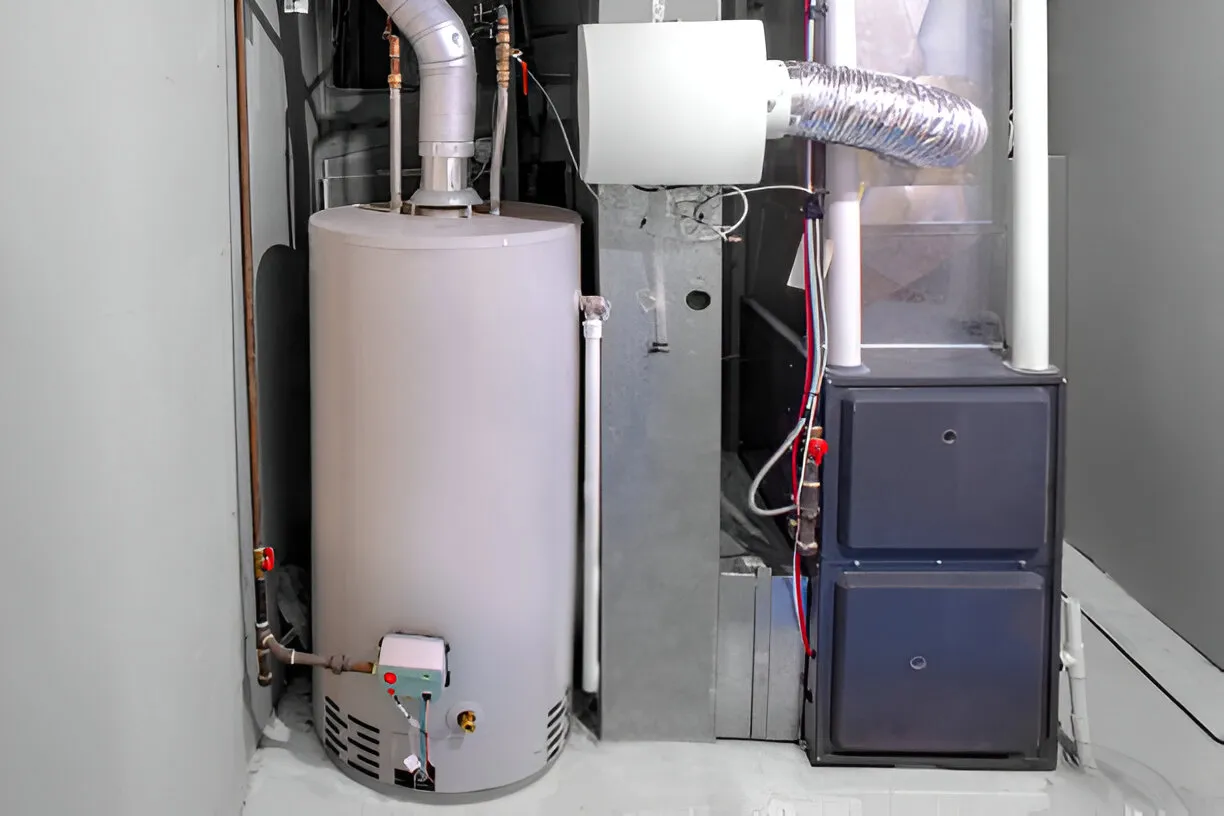
Why timely furnace repair matters in Gahanna
Gahanna and the greater central Ohio area face cold winters with regular below-freezing stretches. Running a compromised furnace during these periods increases wear, raises energy costs, and can create safety risks such as carbon monoxide exposure. Addressing small symptoms early prevents more extensive failures, preserves system life, and helps maintain consistent indoor comfort in Gahanna homes.
Common furnace repair issues in Gahanna homes
- Ignition and pilot problems
Electronic ignitors, pilot assemblies, and flame sensors can fail or become dirty, causing intermittent or complete failure to light. Symptoms: repeated cycles before ignition, clicking sounds, or burners that do not stay lit. - Blower motor and fan issues
Worn bearings, bad capacitors, or motor failure reduce airflow, cause noisy operation, and lead to uneven heating or overheating of the furnace cabinet. - Heat exchanger damage
Cracked or corroded heat exchangers are a critical safety concern because they can allow combustion gases into living spaces. Signs include unusual odors, soot, or visible rust; a combustion analysis confirms the condition. - Thermostat and control failures
Faulty thermostats, loose wiring, or control board issues cause short cycling, incorrect temperature readings, or no call for heat. - Gas valve and inducer fan problems
Faulty gas valves or draft inducer motors prevent proper combustion and safe venting, often tripping safety switches or causing the system to lock out. - Airflow and duct restrictions
Dirty filters, closed vents, or blocked return ducts strain the system and reduce efficiency. Seasonal pollen and household debris in Gahanna can worsen restrictions. - Electrical and safety switch faults
Failed limit switches, ignitor relays, or a tripped breaker will shut down the system for safety.
How furnace diagnostics are performed
A thorough diagnosis isolates the root cause and avoids unnecessary repairs. Typical diagnostic steps include:
- History and symptom review – Confirm when the problem started, recent changes, and error codes.
- Visual inspection – Check burners, heat exchanger condition, wiring, and filters for obvious issues.
- Electrical tests – Verify voltage to motors, capacitors, relays, and control boards.
- Ignition and flame testing – Confirm proper spark or hot-surface ignition and stable flame signal.
- Combustion and venting check – Measure combustion efficiency (CO and CO2) and inspect flue/vent for blockages.
- Airflow measurements – Assess blower performance and duct pressure to pinpoint restrictions.
- System run test – Observe start-up and shutdown cycles to detect intermittent faults.
Diagnostics typically result in a clear recommendation: repair a failed component, perform preventive maintenance, or in the case of major heat exchanger damage, consider system replacement.
Typical repair timelines and common parts used
- Simple fixes (filter replacement, sensor cleaning, thermostat reset): usually completed in under 1 hour.
- Component swaps (flame sensor, capacitor, ignitor, limit switch): typically 1 to 3 hours depending on accessibility.
- Motor or inducer replacements: 2 to 4 hours; may require bracket adjustments or duct access.
- Heat exchanger or major control board work: often several hours to a full day; heat exchanger replacement can be extensive and may require additional evaluation for replacement suitability.
Common replacement parts encountered in Gahanna repairs:
- Ignitors and flame sensors
- Blower motors and capacitors
- Gas valves and pressure regulators
- Inducer motors and belts
- Control boards and relays
- Heat exchangers (inspection and replacement when necessary)
- Thermostats and wiring harnesses
Technicians will typically use manufacturer-recommended parts or equal-quality aftermarket components and document warranty coverage for replaced items.
Emergency repair protocols
Recognizing a true emergency helps protect your family and home. Emergency signs include:
- Strong smell of gas (leave the residence immediately and ventilate)
- Carbon monoxide alarm activation or symptoms such as headache or nausea
- Complete loss of heat during dangerously low outdoor temperatures
- Unusual banging, loud grinding, or visible flames outside the burner area
If an emergency repair is required, professional protocols in Gahanna typically focus on safety first: isolate gas and power, ventilate the area, perform a rapid assessment, and implement a safe temporary solution or secure the system until proper parts are available. Emergency responders prioritize carbon monoxide risk and gas leaks above all.
Safety inspections and preventive checks
A safety-focused inspection covers:
- Heat exchanger integrity and combustion chamber condition
- Carbon monoxide and flue gas testing
- Gas line and connection leak testing
- Vent and flue clearance and draft verification
- Electrical safety checks including proper grounding and wire condition
- Filter, burner, and blower cleanings to restore proper airflow
- Proper thermostat calibration and control checks
Regular pre-season inspections before winter in Gahanna reduce emergency visits and keep systems operating efficiently through prolonged cold periods.
Technician credentials and standards to expect
For safe, code-compliant furnace repair in Gahanna, look for technicians who are:
- Licensed and insured according to Ohio requirements
- Trained in combustion analysis and carbon monoxide testing
- Certified on common manufacturer systems and controls (for example NATE or equivalent credentials)
- Background-checked and experienced working in older and newer residential systems
- Knowledgeable about local codes and venting requirements for central Ohio climates
Technicians should provide a clear explanation of findings, documented diagnostic results, and written details of recommended repairs and warranties.
Costs and estimate information for Gahanna repairs
Several factors influence repair estimates:
- Age and make of the furnace (vintage systems often need more labor and parts)
- Nature of the failure (minor components versus heat exchanger or cabinet repairs)
- Parts availability and whether OEM or equivalent parts are used
- Accessibility of the unit and whether ductwork must be modified
- Any required permits or inspections for gas-line work
Estimates are most accurate after a diagnostic inspection. A good estimate outlines parts, labor, expected timeline, and warranty coverage so you can compare options and understand long-term implications like efficiency and remaining system life.
Benefits of timely furnace repair and maintenance
Prompt attention to furnace issues in Gahanna homes:
- Improves comfort and temperature consistency during cold weather
- Reduces energy use and monthly utility costs by returning the system to efficient operation
- Lowers the chance of a sudden winter emergency and costly secondary damage
- Protects indoor air quality and reduces carbon monoxide risk
- Extends the service life of the furnace
Seasonal maintenance—filter changes, cleaned burners, and an annual safety inspection—delivers the best protection against mid-winter failures in Gahanna’s climate.
Hot Deals & Cool Savings

.webp)
New Service Agreement Membership
.webp)
Any New Client Service
Next Service for Referring a New Client
New Service Agreement Membership
Any New Client Service
Next Service for Referring a New Client
.webp)
.webp)

Service Areas
