
Heating Installation in Gahanna, OH
Heating installation services in Gahanna, Ohio ensure proper sizing, safe venting, and energy efficiency. Schedule your professional install today.

Heating Installation in Gahanna, OH
Upgrading or installing a new heating system is one of the most important investments you can make in your Gahanna, OH home. Winters in central Ohio bring prolonged cold, often with damp conditions that make a reliable, properly sized heating system essential for comfort, safety, and energy efficiency.
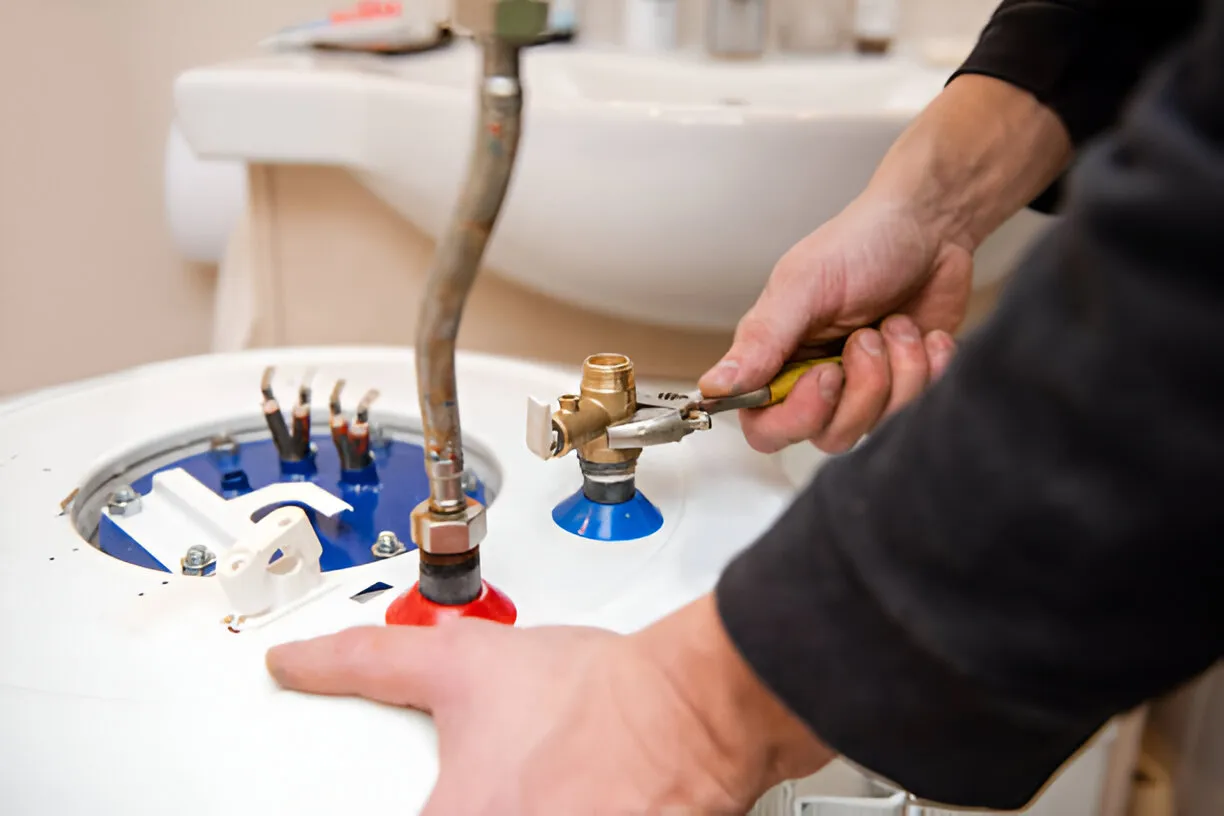
Why professional heating installation matters in Gahanna, OH
- Gahanna homes range from older, draft-prone houses to newer, tightly built subdivisions. Improperly sized equipment either short-cycles and wastes energy or fails to keep the home comfortable.
- Natural gas is common in central Ohio, but electric heat pumps are becoming more practical even for cold months when sized and installed correctly.
- Local winters with rapid temperature swings make accurate load calculations and proper airflow crucial to avoid cold spots, high energy bills, and premature equipment failure.
Common heating systems and typical installation types
- Furnaces (gas or electric) - Common replacement in homes with existing ductwork. Furnace installation includes venting, gas piping, and combustion safety testing.
- Boilers - Found in hydronic radiant or baseboard systems. Boiler replacement often requires piping reconfiguration and careful flushing and balancing of the hydronic loop.
- Air-source heat pumps and ductless mini-splits - Efficient all-electric options that provide heating and cooling. Modern cold-climate heat pumps are a growing choice in Gahanna.
- Hybrid systems - Furnace paired with a heat pump to optimize efficiency across the season.
- Conversion projects - Switching from boiler to forced air or vice versa involves additional planning, ductwork or piping changes, and sometimes structural adjustments.
Home assessment and load calculations
A correct installation begins with a full home assessment:
- Insulation and envelope inspection - Walls, attic, windows, and doors are evaluated because heat loss affects sizing.
- Manual J load calculation - The industry standard calculation that determines the precise heating and cooling load for your home. This prevents oversizing or undersizing.
- Ductwork or distribution review - Existing ducts are measured and tested for capacity and leakage. For hydronic systems, piping layout and radiator sizing are checked.
- Occupancy and usage patterns - Family size, thermostat settings, and schedules influence system selection.
Why this matters: a system selected without a load calc usually delivers higher bills, uneven comfort, noisy operation, and shorter equipment life.
Equipment selection: what to consider
- Efficiency ratings: AFUE for furnaces and boilers, HSPF and SEER for heat pumps. Higher efficiency saves fuel but requires balancing upfront cost and expected savings.
- Fuel type: Natural gas, propane, electric, or dual-fuel options. Gahanna’s gas availability often influences the choice.
- Capacity and modulation: Variable-speed or modulating furnaces and heat pumps provide steadier temperatures and better humidity control than single-stage units.
- Compatibility with existing ductwork and thermostats: Zoning and smart thermostat integration can improve comfort and reduce energy costs.
- Space constraints and noise: Compact or low-profile options are available for tight mechanical closets, attics, or basements.
Installation timeline and site preparation
- Typical timelines:
- Furnace replacement: often completed in 1 day for like-for-like installations.
- Boiler replacement: 1 to 3 days depending on piping complexity.
- Heat pump or ductless installation: 1 to 2 days for a single-head system; longer for multi-zone installations.
- Conversions or major ductwork changes: can take several days to a week.
- Site preparation checklist:
- Clear access to the furnace room, basement, or attic.
- Ensure pathways for equipment removal and delivery.
- Move furniture away from work areas and protect floors.
- Confirm venting paths for combustion appliances and adequate electrical service where needed.
Permits and code compliance in Gahanna
- Most heating installations require a mechanical permit and final inspection to meet the Ohio Residential Code and local Gahanna ordinances.
- Licensed installers will pull permits, schedule inspections, and ensure compliance with venting, combustion air, carbon monoxide detection, and clearances.
- Proper permitting protects you with documented safety checks and maintains resale value. It also ensures installations meet current energy and safety standards.
Post-installation testing and verification
After installation, a comprehensive testing regimen confirms safe, efficient operation:
- Combustion analysis and CO testing for gas appliances.
- Airflow measurements and static pressure checks for ducted systems.
- Refrigerant charge verification and performance testing for heat pumps.
- Thermostat calibration and system control checks.
- System balancing and room temperature verification to eliminate cold spots.A trained technician will document these results so you know the system meets the expected performance levels.
Warranty, maintenance plan options, and long-term care
- Manufacturer warranties cover parts for defined periods; labor warranties vary by installer. Keep warranty paperwork and model/serial numbers in a safe place.
- Routine maintenance extends equipment life and protects warranties. Typical plans include annual inspections, cleaning, and priority service benefits.
- Maintenance benefits:
- Improved efficiency and lower utility bills
- Early detection of small problems before they become costly
- Extended equipment life and consistent comfort
- Ask about extended labor warranties and what routine tasks are recommended (filter changes, condensate checks, combustion safety).
Financing assistance and incentives
- Many homeowners use financing options such as installment loans, manufacturer financing, or local contractor programs to spread installation costs over time.
- Incentives can include manufacturer rebates, utility rebates, and federal tax credits for qualifying high-efficiency equipment or electrification projects. Availability and eligibility vary, so review current programs when planning your install.
- Choosing higher-efficiency equipment can deliver savings over time that offset higher upfront costs, especially in regions with cold winters.
Final considerations for Gahanna homeowners
A successful heating installation in Gahanna, OH balances accurate sizing, equipment suited to your fuel availability and home layout, code-compliant installation, and a clear plan for testing and maintenance. Prioritizing a professional assessment and documented load calculation prevents common problems like short cycling, uneven heating, and unexpectedly high bills. With the right system and ongoing care, you will gain consistent comfort, improved safety, and greater energy savings throughout those long Ohio winters.
Hot Deals & Cool Savings

.webp)
New Service Agreement Membership
.webp)
Any New Client Service
Next Service for Referring a New Client
New Service Agreement Membership
Any New Client Service
Next Service for Referring a New Client
.webp)
.webp)
Service Areas