
Heating Repair in Gahanna, OH
Reliable heating repair in Gahanna, OH with transparent pricing, 24/7 emergency availability, expert diagnostics. Schedule today for lasting home comfort.

Heating Repair in Gahanna, OH
Keeping your home warm and safe through Ohio winters starts with reliable heating repair. In Gahanna, OH, where cold temperatures, freeze-thaw cycles, and older neighborhood homes increase heating system strain, prompt, transparent heating repair prevents discomfort, higher utility bills, and safety risks.
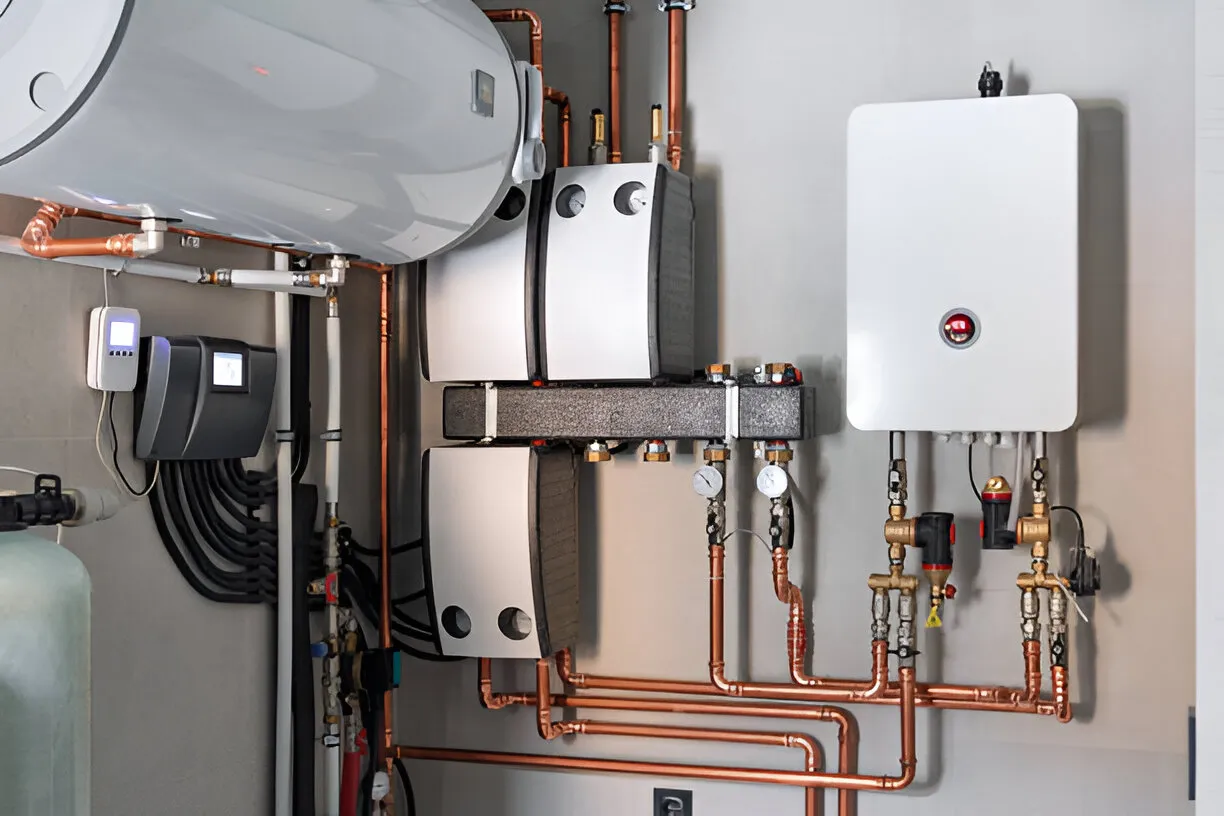
Why timely heating repair matters in Gahanna, OH
Gahanna experiences long, cold winters and occasional severe storms. Furnaces and boilers that are overdue for service are more likely to fail during peak demand. A failing heat exchanger, clogged burners, or malfunctioning controls can also create safety hazards like carbon monoxide leaks or unsafe cycling. Timely heating repair restores comfort, improves energy efficiency, and protects your household.
Common heating problems in Gahanna homes
- No heat or intermittent heat — often caused by thermostat issues, ignition failure, or control board faults.
- Unit short-cycling — frequent on/off cycles caused by airflow restrictions, improper thermostat placement, or overheating.
- Weak airflow or uneven heating — clogged filters, failing blower motors, closed or leaky ducts, or zone-control problems.
- Strange noises during operation — worn bearings in fans, cracked heat exchangers, or loose components.
- Pilot or ignition failures — common on older gas furnaces and often due to failing igniters, dirty flame sensors, or gas valve problems.
- Boiler leaks, low pressure, or noisy operation — due to corrosion, failing valves, or air in the system.
- Heat pump defrosting or lack of auxiliary heat — local temperature swings and high humidity can trigger defrost cycles or stress auxiliary heat elements.
- Safety or combustion problems — incomplete combustion, strong gas odors, or elevated CO readings require immediate professional attention.
Step-by-step diagnostic and repair process
- Initial intake and symptom review — technician documents what you’re experiencing and any recent changes (power outages, unusual smells, thermostat behavior).
- Safety inspection — checks for gas leaks, carbon monoxide levels, proper venting, and obvious hazards. Safety is prioritized before any diagnostics.
- Thermostat and control verification — confirm setpoints, wiring integrity, and control board fault codes. Many modern systems store fault history that speeds diagnosis.
- Airflow and distribution check — inspect filters, blower operation, return and supply registers, and visible ductwork for restrictions or leaks.
- Combustion and electrical testing — measure ignition components, gas valve operation, flame quality, and electrical connections using calibrated instruments. For boilers, checks include pressure, temperature, and pump operation.
- Identify failed components and recommend repairs — technician explains what must be replaced versus what is optional, expected timelines, and any safety-related recommendations.
- Repair and verification — replace parts, clean components, make adjustments, then run systems through cycles to confirm proper operation and efficiency.
- Documentation and preventive advice — leave a clear explanation of work performed, replacement parts used, and steps to avoid recurrence.
Typical parts replaced during heating repair
- Igniters and flame sensors
- Gas valves and pressure regulators
- Control boards and thermostats
- Blower motors and belts
- Heat exchangers (when cracked or unsafe)
- Limit switches and safety controls
- Circulator pumps, expansion tanks, and relief valves (in boiler systems)
- Zone valves and actuator motors
- Condensate pumps and drains (in high-efficiency furnaces and boilers)
Response times and 24/7 emergency availability
During the heating season, timely response is critical. For non-emergency repairs, same-day or next-day scheduling is commonly available depending on demand and part availability. For safety issues — loss of heat in extreme cold, suspected carbon monoxide, gas odor, or complete system failure — emergency service is provided around the clock. Expect technicians trained for emergency diagnostics and temporary safe-restoration measures until permanent repairs can be completed.
Upfront pricing and estimates
Transparent estimates are provided after inspection and diagnosis. Common cost drivers include system age, accessibility of components, part availability, and whether a repair or replacement is the most cost-effective path. Estimates typically outline labor, parts, and any applicable warranties. For larger replacement options, clear comparisons between repair and replacement costs and projected operating savings are supplied so homeowners can make informed decisions.
Technician certifications and training
Quality heating repair relies on qualified technicians. Expect technicians to carry credentials such as:
- NATE or manufacturer factory training certificates
- EPA certification for refrigerant-handling when heat pumps are involved
- State or local HVAC licensing and continuing education on code updates and safety practices
- Training in combustion analysis, carbon monoxide testing, and modern control systems
Technicians should also use calibrated diagnostic tools and follow safety-first protocols, especially when working with gas, venting, and combustion appliances.
Preventive maintenance tips to reduce future breakdowns
- Schedule annual tune-ups — preferably in early fall before peak winter demand to inspect combustion, clean burners, and test safety controls.
- Replace filters regularly — every 1–3 months depending on filter type and household conditions.
- Keep vents and returns clear — maintain airflow by avoiding furniture or curtains blocking registers.
- Test carbon monoxide detectors monthly — ensure detectors are installed near sleeping areas and on each floor.
- Seal and insulate ducts — duct leaks reduce efficiency and can strain your system.
- Upgrade thermostats — programmable or smart thermostats improve comfort and can prevent short-cycling when configured properly.
- Address minor issues early — unusual noises, brief cycling, or odd odors often precede major failures; early repair is usually less expensive.
Final notes on long-term value
Regular, professional heating repair and maintenance extend equipment life, improve safety, and reduce energy bills — especially important in Gahanna where winters are prolonged and sudden cold snaps are common. When repairs are needed, thorough diagnostics, clear upfront estimates, certified technicians, and a focus on safety and efficiency ensure your home returns to comfortable, reliable heating as quickly as possible.
Hot Deals & Cool Savings

.webp)
New Service Agreement Membership
.webp)
Any New Client Service
Next Service for Referring a New Client
New Service Agreement Membership
Any New Client Service
Next Service for Referring a New Client
.webp)
.webp)

Service Areas
