
Heating Service in OSU, OH
OSU, OH heating service with diagnostics, repairs, and maintenance to keep your home warm. Schedule service today for reliable comfort.

Heating Service in OSU, OH
Keeping your home warm and safe through Columbus winters starts with reliable, professional heating service in OSU, OH. Whether you live in a historic West Campus house, a student rental near the Oval, or a modern apartment, the same priorities apply: dependable heat, safe operation, and efficient performance to manage energy bills.
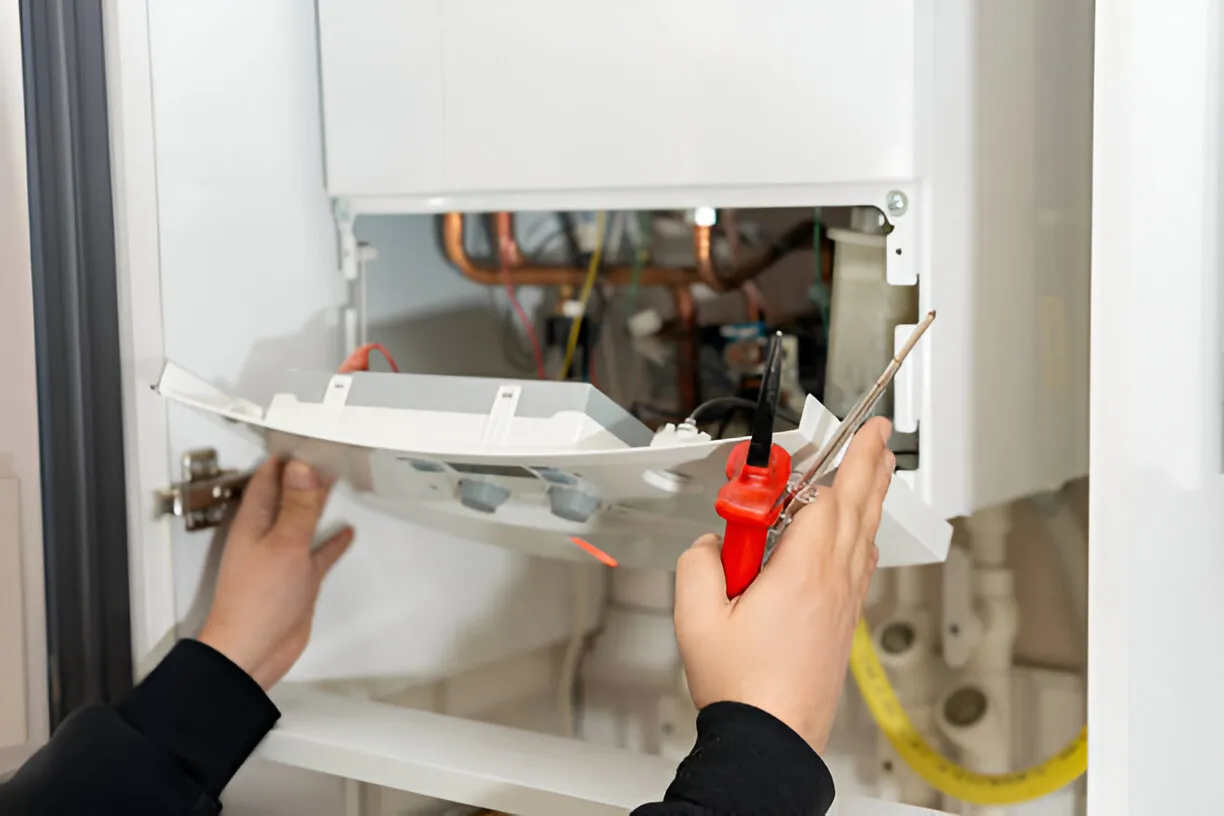
Why targeted heating service matters in OSU, OH
OSU and surrounding Columbus neighborhoods experience cold, damp winters with frequent freeze-thaw cycles. These conditions increase wear on furnaces, boilers, and heat pumps and raise the risk of freeze-related issues for components and condensate lines. Many homes around the university are older and may have legacy ductwork or radiator systems that need specialized attention. Local, experienced heating service in OSU recognizes these regional factors and tailors repairs, tune-ups, and upgrades to protect comfort, safety, and the life of your equipment.
Common heating issues in OSU, OH homes
Frequent problems technicians encounter in the area include:
- Uneven heating or cold rooms due to aging ductwork or closed vents
- Short cycling or frequent on/off cycles (often caused by dirty filters, airflow restrictions, or thermostat problems)
- Noisy operation from the blower, burners, or pumps — common in older systems
- Pilot light or ignition failures on gas furnaces and boilers
- Low heat output from worn heat exchangers, burners, or clogged burners
- Heat pump loss of heating capacity during extreme cold or failed defrost cycles
- Boiler pressure loss, leaks, or noisy radiators in hydronic systems
- Carbon monoxide concerns from cracked heat exchangers or improper venting
Types of residential heating services provided
Detailed offerings typically include:
- System diagnostics and safety checks for furnaces, boilers, and heat pumps
- Routine service calls and seasonal tune-ups
- Emergency repairs and winter breakdown response
- Performance optimization and energy-efficiency adjustments
- Component repair and replacement (igniters, motors, valves, controls)
- Full system replacement and right-sized installations
- Warranties evaluation and help with warranty-covered parts
- Financing options and guidance for larger repairs or replacements
- Maintenance agreements and recurring service plans
How diagnostics and routine service work
A professional diagnostic visit aims to identify root causes, not just symptoms. Typical diagnostic steps:
- Visual and safety inspection: check vents, flues, visible components, and system clearances.
- Filter and airflow assessment: measure airflow, inspect filters, and test return/ supply registers.
- Combustion and ventilation check (gas systems): verify safe combustion, inspect burners, and evaluate exhaust venting for blockages.
- Electrical and control evaluation: test thermostat operation, control boards, capacitors, and wiring connections.
- Mechanical inspection: examine blower motors, belts, pumps, valves, and heat exchanger condition.
- Performance measurements: temperature rise across the furnace, boiler pressure, heat pump refrigerant and defrost cycle checks.
- Report and options: provide an accessible explanation of findings, urgency level, and repair vs replacement considerations.
Diagnostics are explained in plain language so you understand safety implications, efficiency impacts, and expected outcomes.
Repairs, solutions, and when to consider replacement
Repair options are prioritized by safety, longevity, and cost-effectiveness:
- Minor repairs: cleaning burners, replacing ignitors or sensors, fixing thermostats, and replacing filters and belts to restore reliable operation.
- Component replacement: motors, control boards, zone valves, and pumps are replaced when worn or failing to avoid repeat breakdowns.
- System refurbishment: for older boilers or furnaces, selective upgrades (new burners, modern controls, or high-efficiency motors) can extend life and improve efficiency.
- Full system replacement: recommended when equipment is beyond typical service life, repairs are frequent, or efficiency losses make replacement the better long-term investment. Replacement decisions consider system age, repair history, safety concerns, and seasonal performance—especially important in OSU area homes where older systems may be common.
All solutions are framed around occupant safety (including carbon monoxide risks), comfort needs, and budget realities.
Warranties and financing options explained
Most modern heating systems include manufacturer warranties that cover specific parts for a defined period. Labor warranties, extended protection plans, and service agreement benefits can provide additional peace of mind. Common warranty and financing considerations:
- Manufacturer parts warranty: varies by component and model year
- Labor warranty: short-term labor coverage for repairs performed
- Extended protection plans: optional plans that cover repairs beyond standard warranties
- Financing options: flexible payment plans and financing tiers help spread the cost of larger repairs or replacements; structures often include fixed monthly payments or deferred-interest optionsUnderstanding warranty coverage and financing terms helps you avoid unexpected costs and choose the right protectors for your household.
Maintenance agreements and what they include
A maintenance agreement (sometimes called an annual service plan) is a practical option for homeowners and landlords in OSU, OH. Typical benefits:
- Annual or biannual tune-ups timed for fall furnace checks and heat pump seasonal service
- Priority scheduling during winter emergencies
- Discounted diagnostic or service rates for members
- Preventive checks designed to extend equipment life and lower utility bills
- Record-keeping and reminders for regular maintenanceFor rental properties near campus, a maintenance agreement reduces tenant complaints and emergency callouts by catching problems early.
Safety, energy, and homeowner tips for OSU residents
- Replace or clean filters every 1–3 months during heavy use to maintain airflow and efficiency.
- Keep vents and registers clear of furniture, curtains, and debris to ensure even heating.
- Install and test carbon monoxide detectors yearly; they are essential with gas-fired systems and older equipment common in the area.
- Consider thermostat upgrades (programmable or smart) to reduce energy use during unoccupied periods.
- For homes with boilers, periodically check pressure and bleed radiators if needed to maintain even heat.
- Insulate exposed pipes and protect outdoor components from snow and ice to avoid freeze damage.
Hot Deals & Cool Savings

.webp)
New Service Agreement Membership
.webp)
Any New Client Service
Next Service for Referring a New Client
New Service Agreement Membership
Any New Client Service
Next Service for Referring a New Client
.webp)
.webp)

Service Areas
